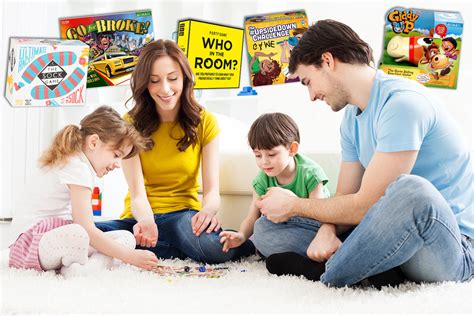
How to pick family games enjoyable for varying skill levels, low frustration?
The Quest for Harmonious Family Game Night
Family game night holds a special place in many households, offering a wonderful opportunity for connection, laughter, and shared experience. However, the dream of a perfectly harmonious evening can quickly dissolve when faced with varying ages, skill levels, and attention spans. Finding games that truly delight everyone, from the youngest child to the most seasoned adult, without sparking frustration or boredom, can feel like an elusive quest. This guide explores key strategies to select games that foster inclusivity and maximize fun for your unique family dynamic.
Embracing Inclusivity: Strategies for All Skill Levels
The secret to low-frustration family gaming often lies in choosing games designed with accessibility and shared enjoyment in mind. It’s about leveling the playing field and ensuring everyone feels engaged and capable, regardless of their strategic prowess or experience.
Prioritize Cooperative Games
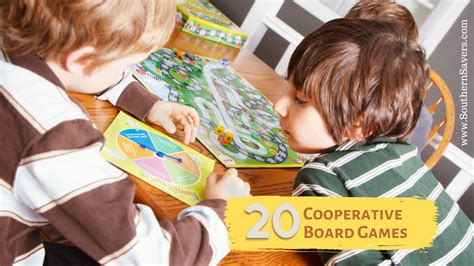
One of the most effective ways to minimize competition and frustration is to opt for cooperative games. In these games, all players work together against the game itself, rather than against each other. This fosters teamwork, communication, and a shared sense of accomplishment (or a collective learning experience if you lose). When everyone is on the same team, the focus shifts from individual victory to collaborative problem-solving, making success a shared joy and defeat a shared challenge to overcome next time.
Seek Out “Catch-Up” Mechanics and Luck Elements
Games that incorporate elements of luck or clever “catch-up” mechanics can be excellent for mixed skill groups. A bit of luck can give younger or less experienced players a fighting chance against more strategic adults, preventing them from feeling perpetually outmatched. Similarly, games with mechanics that help lagging players gain ground (without punishing leading players unfairly) ensure that no one feels completely out of the race, keeping engagement high until the very end.
Simple Rules, Surprising Depth
Don’t confuse simple rules with a lack of strategic interest. Many fantastic family games are incredibly easy to learn, allowing everyone to jump in quickly. However, they also offer surprising strategic depth that keeps adults engaged and encourages critical thinking in children. These games are often quick to set up and play, reducing the barrier to entry and allowing for multiple rounds or different game choices in one evening.
The Power of Thematic Appeal
Sometimes, the theme or story behind a game can be just as important as its mechanics. A captivating theme can draw in players of all ages, even if they aren’t typically “gamers.” If a game’s narrative or world sparks imagination, players are more likely to overlook minor frustrations or skill gaps, becoming invested in the shared adventure rather than just the score. Look for themes that resonate with your family’s interests, whether it’s fantasy, animals, space, or building things.
Customizable Complexity and House Rules
Many modern board games come with modular components or varying difficulty levels, allowing you to tailor the experience to your group. Don’t be afraid to utilize these options or even create your own “house rules” to balance the game. This might involve giving younger players a handicap, removing certain complex elements for a first play, or introducing specific goals that help everyone contribute. The goal is to adapt the game to your family, not the other way around.

Beyond the Game Box: Fostering a Positive Atmosphere
While game selection is crucial, the atmosphere you create around game night is equally important for ensuring low frustration and high enjoyment.
Focus on Fun, Not Winning
Shift the emphasis from who wins to how much fun everyone is having. Celebrate clever moves, funny moments, and good sportsmanship regardless of the outcome. Remind everyone that the primary goal is to spend quality time together and create shared memories, not to crush the competition.
Set Realistic Expectations
Understand that not every game will be a runaway success, and not every player will be at their peak performance every time. It’s okay for games to be a bit chaotic or for someone to need extra help. Embrace these moments as part of the family experience. Sometimes, the funniest moments come from unexpected blunders!
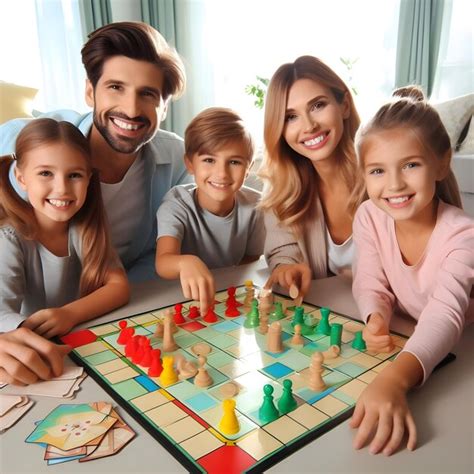
Short Playtimes and Breaks
Consider the attention spans of your family members, especially younger children. Opt for games that can be completed in a reasonable amount of time, or be prepared to take breaks. A short, engaging game where everyone stays focused is often more enjoyable than a long, drawn-out one where half the players have checked out.
Know Your Family’s Preferences
Ultimately, the best way to pick family games is to get to know your family’s unique preferences. What themes do they love? Do they prefer strategic thinking or silly luck? Are they competitive or collaborative? Pay attention to what works and what doesn’t, and don’t be afraid to experiment. Game choice is an ongoing journey of discovery.
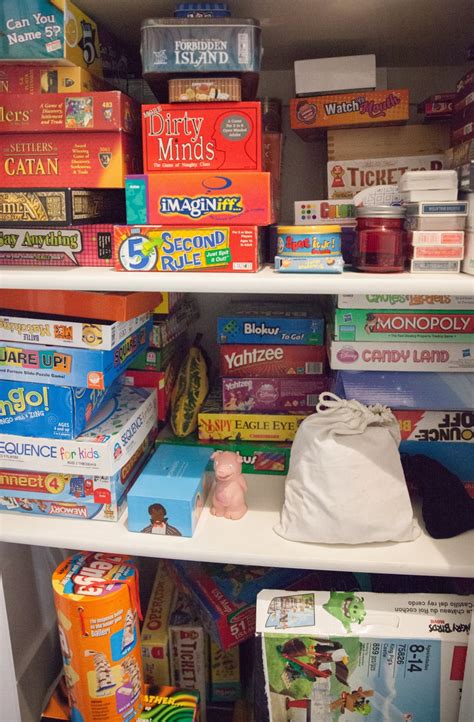
The Ultimate Goal: Connection and Cherished Memories
Choosing the right family game isn’t just about finding a fun activity; it’s about creating an environment where everyone feels valued, engaged, and eager to participate. By focusing on cooperative play, balancing skill with luck, embracing customizable rules, and fostering a positive, inclusive atmosphere, you can transform game night into a cherished tradition that strengthens bonds and creates lasting, joyful memories for every member of your family, regardless of age or experience.