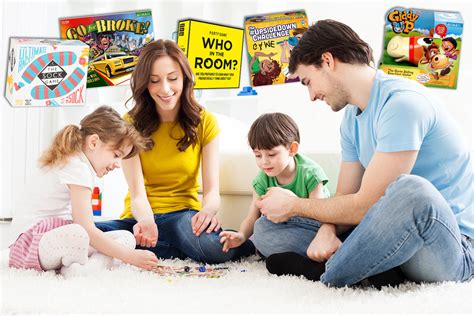
How to pick family games engaging multiple ages without complex rules?

Gathering the family for a game night is a cherished tradition, but finding a game that truly engages everyone, from the youngest child to the oldest grandparent, can feel like a quest for the holy grail. The challenge often lies in striking a balance: games that are too simple might bore adults, while complex rules can intimidate children or those new to gaming. The secret? Focusing on games that offer universal appeal through intuitive mechanics and minimal rule complexity.

The Quest for Universal Fun: Why Simplicity Matters
Different age groups come with different attention spans, skill levels, and understanding of strategic depth. A five-year-old might struggle with abstract concepts, while a teenager might find a purely luck-based game uninspiring. Overly complex rules can be a significant barrier, leading to frustration, lengthy setup times, and ultimately, a disinterest in playing.
By prioritizing games with simple, easy-to-grasp rules, you eliminate the learning curve that often derails multi-generational game sessions. This allows everyone to jump straight into the fun, fostering a more inclusive and enjoyable experience where the focus is on interaction and laughter, not rulebook deciphering.
Core Principles for Engaging All Ages
When searching for that perfect family game, keep these guiding principles in mind:
- Simple Rule Sets: The fewer pages in the rulebook, the better. Look for games where the basic actions can be explained in just a few minutes.
- Elements of Chance: A touch of luck, like rolling dice or drawing cards, can level the playing field, giving younger players a fighting chance against more experienced adults.
- Interaction & Communication: Games that encourage talking, bluffing, collaborating, or reacting to others’ moves keep everyone invested and create memorable moments.
- Cooperative Play: Working together towards a common goal rather than competing against each other can be incredibly unifying, reducing individual pressure and promoting teamwork.
- Tactile & Visual Appeal: Games with appealing components, vibrant art, or physical dexterity elements can be more engaging, especially for younger players.

Game Mechanics That Shine in Simplicity
Certain game mechanics inherently lend themselves to simpler, multi-age play:
- Card Games: Classics like Uno, Crazy Eights, or modern variants like Sushi Go! offer quick turns and easy objectives.
- Dice Games: Games like Yahtzee or King of Tokyo involve simple dice rolls combined with accessible choices, making them exciting for everyone.
- Dexterity Games: Jenga, Tumblin’ Monkeys, or Rhino Hero rely on physical skill and create suspenseful, laugh-out-loud moments.
- Pattern Recognition/Matching: Games such as Qwirkle or Dobble (Spot It!) challenge players to identify patterns quickly, a skill that transcends age.
- Storytelling Games: With minimal rules, games like Rory’s Story Cubes spark creativity and imagination, allowing players of all ages to contribute equally.

Top Picks for Your Next Cozy Game Night
Here are a few specific recommendations that fit the bill for engaging multiple ages without complex rules:
- Ticket to Ride: First Journey: A simplified version of the popular train-collecting game, perfect for introducing younger players to strategic choices.
- Sushi Go!: A fast-paced card drafting game where players pick cards and pass the rest, aiming to collect sets for points. Quick to learn, endlessly fun.
- Outfoxed!: A cooperative deduction game where players work together to figure out which fox stole the pie. Great for fostering teamwork and simple logic skills.
- Qwirkle: Match tiles by color or shape to build lines, earning points. It’s like Scrabble with colors and shapes, but much easier to pick up.
- Rory’s Story Cubes: Roll nine dice, each with unique images, then create a story that connects them all. No right or wrong answers, just pure imaginative play.

Making Game Night a Cherished Tradition
Ultimately, the goal of family game night isn’t just about winning; it’s about creating shared experiences, fostering communication, and building memories. By choosing games that are easy to learn and don’t get bogged down in intricate rules, you ensure that everyone feels welcome at the table. These simple, yet engaging, games become catalysts for laughter, connection, and those cozy moments that families cherish.
Don’t be afraid to try new games or even adapt existing ones to better suit your family’s dynamic. The joy comes from playing together, regardless of who rolls the best dice or collects the most points.