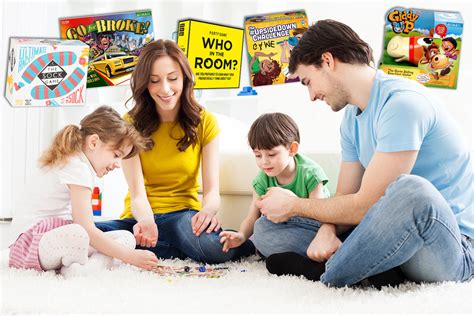
How to pick family-friendly games suitable for diverse ages & skill levels?

Gathering the family for game night is a cherished tradition, but finding games that genuinely engage everyone, from the youngest child to the wisest grandparent, can be a delightful challenge. The secret lies in understanding your family’s unique blend of ages, interests, and skill levels, and then applying a few strategic selection principles. Let’s explore how to choose games that foster connection and create lasting memories for your diverse group.
Know Your Players: Ages, Interests, and Attention Spans
Before diving into the vast world of games, take a moment to assess your family. What’s the age range? A game suitable for a five-year-old might bore a teenager, and vice-versa. Consider attention spans – younger children and some older adults might prefer shorter playtimes. What are their interests? Do they love fantasy, puzzles, wordplay, or something more active? Tailoring themes can significantly boost engagement.

Key Game Characteristics to Prioritize
Simple Rules, Deep Fun
Look for games with straightforward rules that can be grasped quickly. Complex rulebooks can be intimidating. However, simple rules don’t mean shallow gameplay. Many excellent family games offer layers of strategy or delightful moments within easy-to-learn frameworks. Think about games where the core mechanic is simple, but the decisions you make are interesting.
Flexible Playtime
Games with variable playtime or modular setups are often ideal. Some families prefer quick, energetic rounds, while others enjoy longer, more immersive experiences. Knowing the typical playtime helps manage expectations and avoid mid-game fatigue, especially with younger players.
Collaborative or Low-Conflict Options
Cooperative games, where everyone works together towards a common goal, are fantastic for diverse groups. They minimize direct competition, reduce potential frustrations, and encourage teamwork. Examples include “Pandemic” (junior versions for families), “Forbidden Island,” or simple dexterity games that focus on shared laughter rather than winning.

Explore Different Game Mechanics and Genres
Dexterity Games
These games involve physical skill and often bring out genuine laughter. Think “Jenga,” “KerPlunk,” or “Suspend.” They’re usually easy to learn, visually engaging, and can be fun for all ages, often evening out skill differences.
Storytelling and Imagination Games
Games like “Dixit” or “Rory’s Story Cubes” rely on creativity and imagination, making them accessible regardless of reading ability or strategic prowess. They spark conversation and allow everyone to contribute in their own unique way.
Light Strategy Games with Adaptable Difficulty
Many modern board games offer a good balance. Look for games that have basic rules for beginners but allow for more strategic thinking as players become familiar. Games like “Ticket to Ride” or “Carcassonne” are often good entry points, offering satisfying choices without overwhelming complexity. Consider games that offer variants or expansions to scale difficulty.

Test, Adapt, and Make it Your Own
Don’t be afraid to try games and see what sticks. What works for one family might not for another. Be open to house rules – modifying a rule or two to better suit your family’s dynamic can make all the difference. Sometimes, a “helper hand” for the youngest player or a team-up for an older adult can balance the playing field beautifully.
Remember, the goal isn’t just to play a game, but to share an experience. Embrace the laughter, the learning, and even the occasional friendly squabble. The best family games are those that bring everyone to the table, creating cherished moments and strengthening bonds.