How to pick engaging family games for mixed ages & skill levels?
Gathering the family for game night is a cherished tradition, but finding a game that genuinely engages everyone from the youngest child to the oldest adult can often feel like a quest for the Holy Grail. Different ages bring varying attention spans, skill levels, and interests to the table, making game selection a crucial step towards a truly memorable and joyful experience.
Understanding the Challenge of Mixed-Age Gaming
The primary hurdle in mixed-age gaming is bridging the gap between developmental stages. Young children thrive on simple rules, tactile elements, and quick turns, while teenagers and adults might seek deeper strategy, complex decision-making, or social interaction. A game that’s too simple bores the adults, and one that’s too complex frustrates the younger players. The goal is to find that sweet spot where everyone feels challenged, entertained, and capable of contributing.
Key Considerations for Game Selection
1. Age Range & Complexity
Always check the recommended age range on the game box, but use it as a guide, not a strict rule. Look for games with a broad overlap or those known to be ‘easy to learn, hard to master.’ Games with adjustable difficulty levels or modular components are excellent choices.
2. Skill vs. Luck
A good balance of skill and luck often levels the playing field. Games with elements of chance (dice rolls, card draws) can give younger or less experienced players a fighting chance against more strategic thinkers, making the outcome less predictable and more exciting for everyone.
3. Cooperative vs. Competitive
Cooperative games, where everyone works together towards a common goal against the game itself, are fantastic for mixed-age groups. They eliminate direct competition, foster teamwork, and allow more experienced players to subtly guide younger ones without ‘taking over.’ Competitive games can also work if the rivalry is lighthearted and the rules are straightforward.
4. Playtime
Consider the typical attention span of your youngest players. Shorter playtimes (20-45 minutes) are often ideal for keeping everyone engaged. If a game is longer, ensure it has natural breaks or allows for players to drop in and out without disrupting the experience.
5. Replayability
Invest in games that offer variety each time you play. This could be through different game setups, variable player powers, or simply enough strategic depth that new approaches emerge with each session. High replayability ensures your game collection doesn’t gather dust.
Game Types That Shine with Mixed Ages
Here are a few categories and examples of games that consistently deliver fun for a wide demographic:
Dexterity Games
Games that rely on physical skill rather than complex strategy are often universally appealing. Think Jenga, Rhino Hero, or Suspend. These are quick to learn, visually engaging, and highly interactive.
Cooperative Games
As mentioned, these are superstars for family bonding. Titles like Forbidden Island, Codenames Duet (can be adapted), or The Mind allow everyone to contribute and celebrate wins together. For slightly older kids and adults, Pandemic is a classic.
Team-Based Party Games
When you divide into teams, adults can often pair with children, creating natural mentorship and reducing individual pressure. Pictionary, Codenames, Wavelength, or even charades fall into this category. The joy often comes from the hilarious attempts and creative guesses.
Simple Strategy Games with Depth
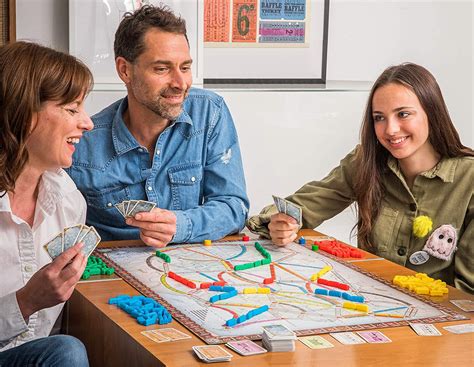
These are games that have straightforward rules but offer meaningful decisions. Ticket to Ride, Carcassonne, and Kingdomino are excellent examples where even younger players can grasp the core mechanics and make choices that impact the game, while adults enjoy the subtle strategic layers.
Storytelling & Imagination Games
Games like Dixit, Rory’s Story Cubes, or Once Upon a Time encourage creativity and communication. There’s no right or wrong answer, just shared imagination, making them highly inclusive and often generating the most memorable moments.

Tips for a Smooth Game Night
Even with the perfect game, a few simple strategies can enhance the experience:
- Set Expectations: Explain the goal of the game and encourage good sportsmanship before you start.
- Teach Clearly: Break down rules into simple steps, demonstrate actions, and be patient with questions. Focus on the core mechanics first, then introduce nuances.
- Be Flexible: Don’t be afraid to house-rule something if it makes the game more enjoyable for your group, especially with younger players.
- Focus on Fun, Not Winning: Remind everyone that the goal is shared enjoyment. Celebrate good moves, laugh at mistakes, and encourage everyone’s participation.
Choosing engaging family games for mixed ages and skill levels doesn’t have to be a daunting task. By considering game mechanics, age appropriateness, and the overall family dynamic, you can curate a collection that guarantees laughter, learning, and lasting memories. The best game is often the one that brings everyone together, fostering connection and creating those cherished ‘cozy family’ moments.