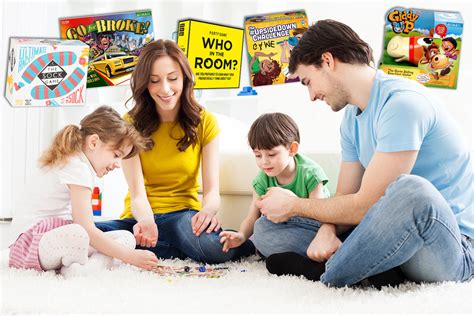
How to pick cozy family games that suit mixed ages & skill levels?

Creating memorable family game nights can be a delightful challenge, especially when you have a mix of ages, interests, and skill levels at the table. From energetic toddlers to tech-savvy teens and wise grandparents, finding a game that captivates everyone without overwhelming some or boring others is an art. The key lies in strategic selection and understanding what makes a game truly “cozy” and inclusive for your unique family dynamic.
Understanding Your Family Dynamics
Before diving into specific game titles, take a moment to assess your family’s preferences. Do you have a wide age gap between the youngest and oldest players? Are some family members competitive while others prefer a more relaxed experience? Identifying these dynamics will significantly narrow down your choices and lead to more successful game nights.
Consider the varying skill levels too. A game relying heavily on complex strategy might frustrate younger children or those less experienced with board games, while a purely luck-based game might not engage older, more analytical minds. The goal is to bridge these gaps, finding common ground where everyone feels included and challenged appropriately.

Key Criteria for Game Selection
1. Age Range & Accessibility
Don’t just rely on the age recommendation on the box; interpret it. A game might be rated 8+, but if it requires extensive reading or abstract thinking, a sharp 6-year-old might handle it, while a less experienced 10-year-old might struggle. Look for games with clear, intuitive rules that can be explained easily and don’t require advanced literacy for participation.
Games that offer different ways to play or scale difficulty can be excellent. Some games have ‘junior’ rules or variants that simplify mechanics for younger players, allowing them to participate meaningfully alongside adults playing by standard rules.
2. Skill Level & Game Mechanics
The balance between luck and skill is crucial. Games with a good mix ensure that beginners always have a chance to win, keeping them engaged, while experienced players can still employ strategy. Pure luck can feel unrewarding for some, while pure strategy can be intimidating for others.
Cooperative games are often a golden ticket for mixed-age groups. In these games, everyone works together towards a common goal against the game itself. This eliminates individual competition, reduces pressure, and fosters teamwork, making it easier for everyone to contribute and feel valued, regardless of their skill level.

3. Playtime & Replayability
Keep game sessions to a reasonable length. An hour is often a sweet spot for family games; anything much longer might test the attention span of younger players or simply be too time-consuming for a casual evening. Shorter, punchier games also allow for multiple rounds or switching to another game if interest wanes.
Look for games that offer high replayability. This can come from variable setups, different roles, or emergent storytelling. Games that feel fresh each time you play offer better value and keep family game night exciting week after week.

4. Theme & Engagement
A universally appealing theme can make a huge difference. Fantasy, adventure, animals, or creative storytelling themes tend to resonate well across generations. Avoid overly complex narratives or themes that might only appeal to a niche interest within the family.
Consider games that encourage interaction, discussion, or even a bit of lighthearted silliness. Games that spark conversation or allow for creative input often draw everyone in, turning a simple game into a shared experience.
Types of Games That Shine for Mixed Groups
- Cooperative Board Games: Examples include Forbidden Island, Pandemic: Hot Zone, or Outfoxed! These games foster teamwork and shared victory, perfect for reducing competitive stress.
- Dexterity Games: Games like Jenga, Rhino Hero, or Coconuts rely on physical skill rather than complex rules, making them accessible and fun for almost all ages.
- Simple Card & Party Games: Classics like UNO, Sleeping Queens, Sushi Go!, or even charades-style games are quick to learn and play, ensuring fast fun and high energy.
- Storytelling & Creative Games: Games such as Dixit, Rory’s Story Cubes, or Once Upon a Time encourage imagination and verbal participation, allowing everyone to contribute at their own level.

Tips for a Successful Game Night
When introducing a new game, start with a simple explanation of the core rules and play a practice round. Be patient, and don’t be afraid to “coach” younger or less experienced players through their first few turns. Remember, the goal is shared enjoyment, not strict adherence to every single rule from the outset.
Sometimes, modifying a game slightly to suit your family is perfectly acceptable. Remove a complex rule, add a house rule for fairness, or play in teams if it helps level the playing field. The games are there to serve your family’s fun, not the other way around.

Choosing the right cozy family game for mixed ages and skill levels doesn’t have to be a daunting task. By focusing on accessibility, balancing mechanics, and prioritizing shared enjoyment over competition, you can create a vibrant and inclusive game night tradition. The laughter, connection, and memories forged over a good game are truly priceless, making the effort of careful selection well worth it.