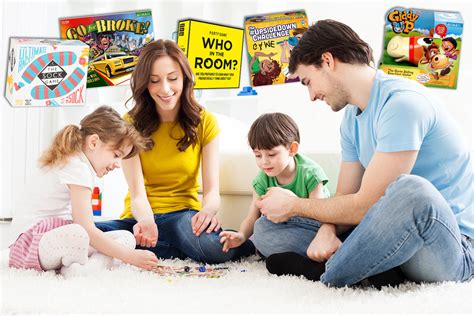
How to pick cozy family games that keep both kids and adults engaged despite skill gaps?

Finding a game that truly engages every member of the family, from the youngest child to the most seasoned adult, can often feel like an impossible quest. The joy of game night can quickly diminish when skill gaps lead to frustration for some or boredom for others. However, with a thoughtful approach, it’s entirely possible to curate a collection of ‘cozy’ games that create memorable, shared experiences for everyone.
The Quest for Shared Joy: Bridging the Skill Divide
The core challenge lies in the inherent difference in cognitive development, strategic thinking, and experience levels between kids and adults. A game that’s a thrilling brain-teaser for an adult might be overly complex and discouraging for a child, while a simple children’s game can quickly lose the attention of grown-ups.
A ‘cozy’ family game, in this context, isn’t just about theme or aesthetics; it’s about the atmosphere it cultivates. It’s a game that promotes collaboration, gentle competition, and laughter over intense strategy or cutthroat tactics. It’s an experience where the journey and shared moments are more important than who ultimately wins.

Strategies for Seamless Engagement Across Ages
To truly bridge skill gaps, look for games that incorporate specific mechanics designed to level the playing field or focus on different types of intelligence.
Embrace Cooperative Play
Cooperative games are arguably the best solution for skill gaps. In these games, everyone works together against the game itself to achieve a common goal. This eliminates direct competition and fosters teamwork, communication, and shared problem-solving. Kids can contribute ideas, and adults can guide without dominating. Popular examples include Pandemic (junior versions exist), Forbidden Island, or Mysterium (with adaptations).
Games with Luck & Randomness
Elements of luck, such as dice rolls or card draws, can introduce delightful unpredictability and give less experienced players a chance to win, regardless of their strategic prowess. Games that blend simple strategy with a healthy dose of luck, like Ticket to Ride or Sushi Go!, keep everyone guessing and engaged.

Hidden Information & Social Deduction
Games that rely on hidden information, deduction, or creative storytelling often put players on a more equal footing. Success in these games isn’t just about strategy but about observation, clever communication, or even bluffing – skills that kids can often master surprisingly quickly. Think of games like Codenames Pictures or Dixit, where imagination and interpretation are key.
Look for Built-In Balancing Mechanisms
Some games inherently include features that help mitigate skill disparities:
- Handicap Systems: Some games offer rules that can be adjusted to give less experienced players a slight advantage, like starting with more resources or extra turns.
- Variable Player Powers: Games where each player has a unique ability can be designed so that certain powers are simpler or more powerful, allowing for a natural balancing act.
- Team Play: Pairing a child with an adult on a team can create a wonderful mentorship opportunity, allowing the child to learn and contribute while the adult offers guidance.

Characteristics of a Great Cozy Family Game
Beyond specific mechanics, consider these general qualities when selecting games:
- Simple Rules, Engaging Depth: Easy to learn within minutes, but with enough tactical choices or replayability to keep adults interested.
- Reasonable Playtime: Keep games to 30-60 minutes to maintain younger players’ attention spans and prevent fatigue.
- High Interaction: Games that encourage talking, laughing, and shared reactions are often more memorable than those played in silence.
- Appealing Components & Theme: Visually attractive games with inviting themes can draw everyone in, regardless of age.

Making Game Night a Success
Choosing the right game is just one piece of the puzzle. The atmosphere and approach to game night are equally crucial. Prioritize fun and connection over winning. Be flexible with rules for younger players, allowing them to try things out and make mistakes without harsh penalties.
Encourage everyone to participate in game selection, and be open to trying new things. Create a comfortable, snack-friendly environment. Remember, the goal is not just to play a game, but to create cherished memories and strengthen family bonds through shared enjoyment.

By focusing on cooperative mechanics, elements of luck, social interaction, and built-in balancing features, you can transform your family game nights into truly cozy and inclusive events. These are the games that will not only entertain but also teach valuable lessons in teamwork, sportsmanship, and most importantly, foster joy for every generation at the table.