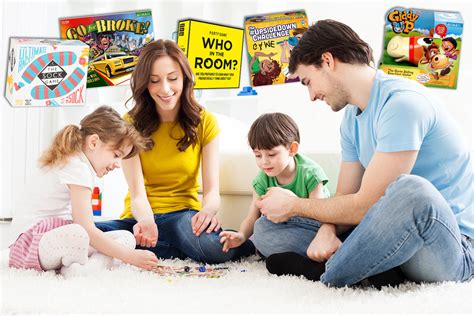
How to pick cozy family games that keep all ages engaged without frustration?

Family game nights are a cherished tradition, a perfect opportunity to connect, laugh, and create lasting memories. However, the dream of a harmonious evening can quickly dissolve into frustration if the game choice doesn’t cater to everyone, from the eager toddler to the competitive teen and the tired parent. The key lies in finding ‘cozy’ games – those that prioritize fun, interaction, and a low barrier to entry over intense competition.
Understanding the Multi-Generational Challenge
Bridging the age gap in game selection means acknowledging different cognitive abilities, attention spans, and interests. Younger children might struggle with complex rules or long-term strategy, while older kids and adults can get bored with overly simplistic choices. The goal is to find that sweet spot where everyone feels included, challenged just enough, and, most importantly, entertained.

Key Principles for Frustration-Free Game Selection
1. Prioritize Simplicity and Accessibility
- Easy-to-Learn Rules: Look for games with intuitive mechanics that can be explained in just a few minutes. If you’re spending more time reading the rulebook than playing, it’s probably too complex for a mixed-age group.
- Quick Setup: Games that can be set up and put away quickly reduce friction and get you to the fun faster.
- Low Downtime: Keep everyone engaged by choosing games where players have turns that are quick or where there’s interaction even when it’s not their turn.
2. Embrace Cooperation Over Competition
Cooperative games are a game-changer for family harmony. Instead of competing against each other, players work together towards a common goal. This fosters teamwork, communication, and shared victories (or losses!) without singling out a ‘loser.’ Examples include games where you’re solving a puzzle together, escaping a haunted house, or building a collective story.
3. Look for Scalability and Adaptability
- Variable Player Counts: Choose games that play well with different numbers of people, so you’re not limited by who’s available.
- House Rules Friendly: Some games lend themselves well to slight modifications to make them easier for younger players (e.g., giving them a handicap, simplifying scoring, or playing with open hands).
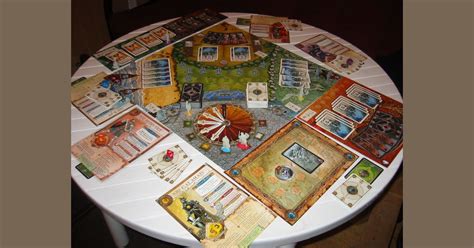
4. Consider Elements of Luck and Dexterity
A touch of luck can level the playing field between different age groups, giving younger players a genuine chance against adults. Dexterity games (like Jenga, pitching rings, or flicking discs) rely on physical skill rather than complex strategy, making them universally accessible and often hilarious.
5. Engage with Appealing Themes
A captivating theme can draw everyone in. Whether it’s cute animals, space exploration, ancient mysteries, or whimsical fantasy, a theme that resonates with your family’s interests makes the game inherently more enjoyable.
Practical Tips for Choosing Your Next Game
Read Reviews and Watch Playthroughs
Don’t just rely on the age recommendation on the box. Websites like BoardGameGeek.com offer detailed reviews, complexity ratings, and user comments that can give you a real sense of how a game plays with different age groups. YouTube playthrough videos are an excellent way to see the game in action and understand the rules before you buy.
Try Before You Buy
Many local game stores have demo copies, or you might have a friend who owns a game you’re considering. Game cafes are also fantastic places to test out various options in a relaxed setting.
Cultivating the Cozy Game Night Atmosphere
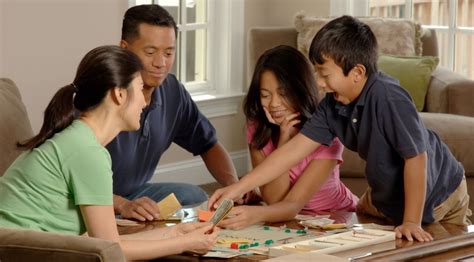
Beyond the game itself, the environment plays a huge role in preventing frustration. Focus on the experience, not just winning. Celebrate effort, encourage good sportsmanship, and keep it light. Snacks, comfortable seating, and a break if needed can turn a tense moment back into a fun one.
By thoughtfully applying these principles, you can transform your family game nights into truly cozy, engaging, and frustration-free experiences that everyone will look forward to. The right game isn’t just about fun; it’s about building bonds and creating happy memories together.