How to pick cozy family games that keep all ages engaged without fights?
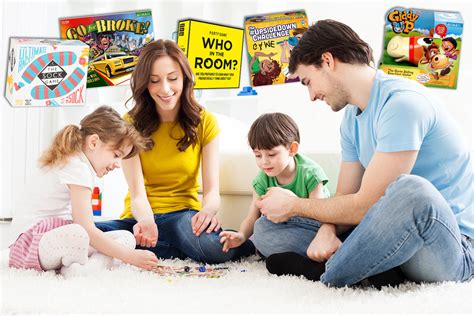
Family game nights are a cherished tradition, a perfect opportunity to connect, laugh, and create lasting memories. However, the quest to find a game that genuinely engages everyone—from the youngest child to the oldest grandparent—without descending into arguments can feel like a mythical endeavor. Different ages mean varying attention spans, skill levels, and competitive spirits. The good news? It’s entirely possible to curate a collection of cozy, conflict-free family games. It just requires a thoughtful approach to selection and a few strategic game night philosophies.
Understanding the Core Challenges
The primary hurdles in achieving harmonious multi-generational game play often stem from disparate expectations and abilities. A complex strategy game might bore a 6-year-old, while a simple roll-and-move game might frustrate a teenager or adult seeking more depth. Moreover, competitive games, while fun for some, can sometimes escalate into disagreements, especially when one player consistently loses or feels unfairly targeted. The goal, then, is to find games that either naturally minimize direct competition or provide engaging elements for everyone, regardless of their proficiency.

Embrace the Power of Cooperative Games
If minimizing conflict is a top priority, cooperative games are your secret weapon. In these games, all players work together towards a common goal against the game itself. There are no individual winners or losers; either the family wins together, or the game wins. This fosters teamwork, communication, and shared problem-solving rather than direct rivalry. Games like Forbidden Island (or similar accessible co-op adventure games), Pandemic (for older kids/adults), or simpler options like Outfoxed! for younger children, beautifully illustrate this principle. The collective challenge unites players, turning potential arguments into shared celebrations or commiserations.
Look for Games with Scalable Complexity or Asymmetric Roles
Another brilliant approach is to select games that naturally accommodate different skill levels. Some games offer “junior” rules for younger players, or advanced variants for adults. Others feature roles with varying complexity, allowing an adult to manage more intricate decisions while a child handles simpler tasks that are still vital to the team’s success. Party games often shine here, as they typically prioritize participation and laughter over strategic mastery. Games that involve drawing, charades, storytelling, or creative building can be wonderfully inclusive, allowing everyone to contribute at their own level without feeling outmatched.

Prioritize Experience Over Pure Winning
Shift the focus of your game night from “who won?” to “what fun did we have?” Encourage playful participation, celebrate clever moves (even if they don’t lead to victory), and emphasize the journey of playing together. Sometimes, this means choosing games where the narrative or the creative process is more important than the final score. Storytelling games, open-ended building games (like certain LEGO challenges), or even role-playing games designed for families can transform a competitive arena into a shared imaginative space where everyone feels like a winner just by participating.
Know Your Family’s Unique Play Style
Every family is different. Some thrive on light competition, others prefer pure collaboration, and some just want an excuse to talk and laugh. Before diving into game purchases, consider what truly resonates with your group. Do you have budding strategists, creative storytellers, or quick-thinking problem solvers? Observe what types of activities naturally bring joy and engagement outside of formal games. This insight will guide you towards genres and mechanics that are a natural fit for your family’s collective personality.

Tips for a Smoother Game Night
- Set Expectations: Before starting, remind everyone that the goal is fun and connection, not just winning.
- Teach Clearly: Take your time explaining rules, especially for new games. Be patient with questions.
- Be Flexible: Don’t be afraid to house-rule something minor if it makes the game more enjoyable for your family.
- Take Breaks: Shorter attention spans benefit from a stretch, snack, or bathroom break.
- Rotate Games: If one game isn’t a hit, don’t force it. Have a backup plan or switch to a different activity.
- Model Good Sportsmanship: Adults set the tone. Celebrate others’ successes and handle losses gracefully.

Making Every Game Night a Win
Picking the perfect cozy family game doesn’t have to be a source of stress. By leaning into cooperative dynamics, embracing games with adaptable complexity, and prioritizing shared experience over individual victory, you can transform your game nights into cherished occasions of laughter and togetherness. It’s about finding games that are not just fun to play, but that also nurture your family’s bonds and create a safe space for every member to shine, ensuring that the only “fights” are playful ones over who gets to roll the dice next.