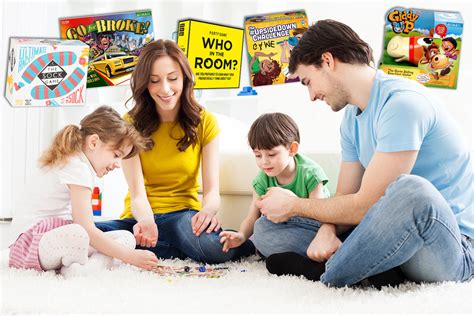
How to pick cozy family games for all ages, bridging skill gaps?

Bringing Everyone to the Table: The Art of Cozy Family Game Selection
Family game night is a cherished tradition, a perfect opportunity to connect, laugh, and create lasting memories. However, the joy can sometimes be overshadowed by the challenge of finding games that genuinely engage every family member, from the youngest child to the oldest grandparent, especially when skill levels vary dramatically. The good news? With a thoughtful approach, it’s entirely possible to curate a collection of “cozy” games that bridge these gaps, fostering an inclusive and fun environment for all.

Defining “Cozy” and Why it Matters
When we talk about “cozy” family games, we’re referring to titles that prioritize shared experience, collaboration, and light-hearted fun over intense competition or complex strategy. These games typically feature:
- Approachability: Easy-to-learn rules that don’t require extensive setup or prior gaming knowledge.
- Low Stakes: A focus on enjoyment rather than cutthroat winning or losing.
- Warm Atmosphere: Themes and mechanics that encourage positive interaction and create a relaxed vibe.
- Flexible Engagement: Opportunities for different levels of participation, allowing some to dive deep while others enjoy the social aspect.
Choosing cozy games is fundamental because they inherently reduce pressure, making it easier for players of all ages and abilities to feel comfortable and included.
Key Considerations for All-Ages Appeal
1. Age Range and Interest Alignment
While a game might technically be playable by a wide age range, consider if the theme and mechanics will genuinely interest everyone. A game about space exploration might captivate a teenager but bore a six-year-old, and vice versa for a game about farm animals. Look for universal themes or abstract games that don’t rely heavily on specific knowledge.
2. Complexity and Learning Curve
The golden rule for mixed-age groups is simpler is better. Opt for games with intuitive rules and quick setup. If there’s a learning curve, ensure it’s gentle enough that new players can grasp the basics within a few turns, allowing everyone to participate meaningfully almost immediately.
3. Player Count Flexibility
Family sizes can fluctuate. Games that scale well across different player counts (e.g., 2-6 players) offer more versatility. This ensures the game can be enjoyed whether it’s just a few family members or the whole clan gathered.
4. Playtime
Keep game sessions relatively short, especially with younger children or those with shorter attention spans. Aim for games that can be completed within 30-60 minutes, allowing for multiple rounds or different games in one sitting if desired.
Strategies for Bridging Skill Gaps Effectively
Even with carefully selected games, skill differences can emerge. Here are proven strategies to ensure everyone feels competitive, or at least engaged:
1. Embrace Cooperative Games
Cooperative games are perhaps the most effective solution for skill disparities. In these games, all players work together against the game itself to achieve a common goal. Success or failure is shared, eliminating individual competition and fostering teamwork. Examples include Forbidden Island, Pandemic (junior versions are great), or The Crew: The Quest for Planet Nine (though this can be more complex).
2. Introduce Elements of Luck
Games that incorporate a healthy dose of luck (e.g., dice rolling, card draws) can naturally level the playing field. Even the most strategic player can be foiled by a bad roll, and a novice can pull off a surprising win. This adds excitement and reduces the feeling of being outmatched by a superior strategist.
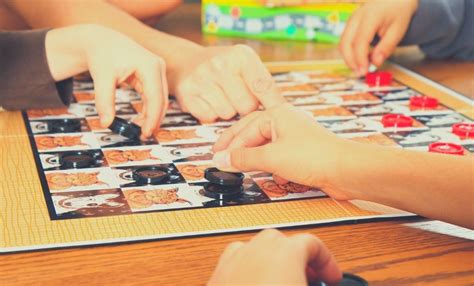
3. Implement House Rules or Handicaps
Don’t be afraid to tweak the rules! For instance:
- Handicaps: Give younger or less experienced players a starting advantage (e.g., more resources, an extra turn, a ‘free’ move).
- Team Play: Pair experienced players with novices. This allows for mentoring and shared decision-making, turning potential frustration into a learning opportunity.
- “Open Hand” Play: For younger kids, allow them to show their cards or discuss their moves openly with an adult, guiding them through strategic choices.
4. Focus on the Journey, Not Just the Destination
Shift the emphasis from winning to the shared experience. Encourage storytelling, funny commentary, and celebrating good moves (even if they’re not yours). The goal isn’t just to play a game, but to enjoy time together.

Examples of Game Types That Excel
- Dexterity Games: Games like Jenga, Rhino Hero, or Click-Clack Lumberjack rely on physical skill rather than abstract strategy, often leveling the playing field.
- Party Games: Many party games (e.g., Dixit, Codenames: Duet, Telestrations) are about creativity, quick thinking, or social deduction, where experience doesn’t necessarily grant a huge advantage.
- Roll-and-Move Games with Choices: Simple path-making games like Ticket to Ride (junior versions are excellent) or Carcassonne (with simplified scoring) offer meaningful choices without overwhelming complexity.
- Light Strategy Card Games: Games like Uno, Sushi Go!, or Qwixx are easy to learn but offer just enough decision-making to keep adults engaged.

Conclusion: The Heart of Family Gaming
Picking cozy family games that bridge skill gaps isn’t about finding the ‘perfect’ game that suits every single person perfectly. It’s about building a collection and a mindset that embraces inclusivity, adaptability, and above all, shared enjoyment. By prioritizing approachability, embracing cooperation, and being open to adapting rules, you can transform game night into a cherished ritual where every family member feels valued, engaged, and eager for the next round. Happy gaming!