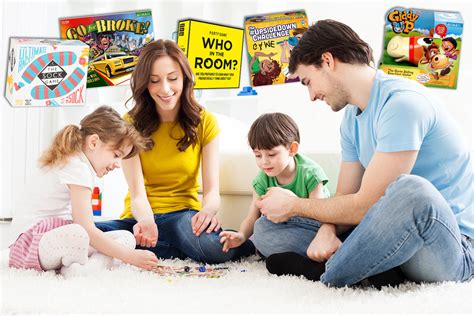
How to pick cozy family games everyone enjoys, even with varied ages?

The Quest for Universal Fun: Bridging the Age Gap in Family Games
The magic of a family game night is undeniable – a chance to connect, laugh, and create lasting memories away from screens. However, the dream can quickly turn into a challenge when ages span from toddlers to teens, or even includes grandparents. Finding a game that genuinely engages everyone without frustrating the youngest or boring the oldest often feels like a mythical quest. The secret lies not just in the game itself, but in understanding what makes a game truly ‘cozy’ and universally appealing across different developmental stages.
What Makes a Game “Cozy” and Family-Friendly?
A cozy family game transcends mere mechanics; it’s about the atmosphere it fosters. It prioritizes shared experience over cutthroat competition, encourages communication, and is forgiving enough to allow for conversation and snacks. Key characteristics often include:
- Easy-to-Learn Rules: Simple enough for a child to grasp, but with enough depth to keep adults interested.
- Low Pressure: Not overly competitive or prone to causing arguments.
- Moderate Playtime: Short enough to hold everyone’s attention, usually under an hour.
- Positive Interaction: Encourages teamwork, storytelling, or lighthearted banter.
- Engaging Theme: Something relatable or imaginative that sparks interest across ages.

Key Strategies for Bridging the Age Gap
When selecting games, keep these principles in mind to ensure everyone at the table feels included and entertained:
1. Simplicity and Visual Appeal
Opt for games with intuitive rules and minimal reading. Games that rely on visual cues, simple matching, dexterity, or clear iconography are often easier for younger children to understand and for older players to teach. Avoid games with heavy text or complex strategic trees that might overwhelm some participants.
2. Cooperation Over Competition
Cooperative games are a godsend for mixed-age groups. Instead of competing against each other, everyone works together towards a common goal. This eliminates rivalry, reduces potential for frustration, and fosters a sense of teamwork and shared accomplishment. Examples include Forbidden Island, Outfoxed!, or simpler versions of Pandemic.

3. Multiple Layers of Engagement
Some games feature simple core mechanics but allow for deeper strategic thinking or creative expression. A younger child might enjoy the simple act of drawing, while an older player focuses on interpreting clues. Games like Dixit (with simplified scoring for younger kids) or storytelling games like Rory’s Story Cubes can offer this.
4. Adaptable Rules and House Rules
Don’t be afraid to adjust rules! Give younger players an advantage (e.g., extra turns, mulligans), or pair them with older teammates for cooperative play. Many classic games can be tweaked to suit your family’s dynamic. The goal is fun, not strict adherence to the rulebook.
Game Types to Explore for Mixed Ages
- Cooperative Board Games: (e.g., Forbidden Island, Outfoxed!, Flash Point: Fire Rescue – Family Edition)
- Dexterity Games: (e.g., Jenga, Suspend, Tumblin’ Dice) – these rely on physical skill, leveling the playing field.
- Storytelling/Imaginative Games: (e.g., Rory’s Story Cubes, Dixit, Once Upon a Time) – encourages creativity over complex strategy.
- Drawing/Acting Games: (e.g., Pictionary (teams), Charades, Telestrations) – often highly engaging and laugh-inducing.
- Simple Card Games: (e.g., Uno, Sleeping Queens, Go Fish) – classics that are easy to teach and play.
Tips for a Truly Cozy Game Night Experience
Beyond the game itself, setting the right atmosphere can make all the difference:
- Set the Mood: Dim the lights, put on some soft background music (or none at all), grab cozy blankets, and have some favorite snacks and drinks ready. Make it feel like a special occasion.
- Be Flexible: Have a few game options ready, or be prepared to switch if a game isn’t clicking. It’s okay to play for a shorter time than planned or even just enjoy conversation.
- Focus on the Fun, Not the Win: Emphasize participation, laughter, and the shared experience. Model good sportsmanship and celebrate efforts, not just victories.
- Involve Everyone: Let different family members pick the game on different nights, or take turns being the “game master” for a round.

Embrace the Journey
Finding the perfect cozy family game for varied ages is less about discovering a single magical title and more about understanding your family’s unique dynamics and preferences. It’s an ongoing journey of exploration and adaptation. By prioritizing connection, laughter, and shared moments over competition or strict rules, you’ll create a welcoming environment where everyone feels valued, and where the memories made are far more precious than any score.