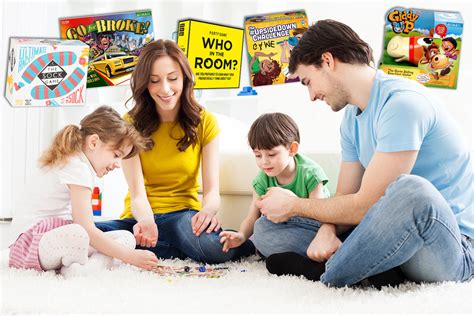
How to pick cozy, family-friendly co-op games engaging for diverse ages/skill levels?

The Quest for Universal Fun: Why Family Co-op Matters
There’s a unique magic in gathering the family for a gaming session. Laughter, shared challenges, and collective victories create bonds that last a lifetime. However, bridging the gap between a seasoned gamer teen, a curious five-year-old, and a parent who hasn’t touched a controller in years can feel like an impossible quest. The key lies in selecting cozy, family-friendly co-op games designed to be engaging and accessible for diverse ages and skill levels.
Forget competitive games that can lead to frustration; true co-op experiences foster teamwork and celebration. But how do you navigate the vast landscape of options to find those perfect titles that everyone will genuinely enjoy?

Accessibility is Paramount: Simple Controls, Clear Goals
The first hurdle for any multi-generational gaming session is often complexity. Games with overly intricate controls, dense user interfaces, or demanding reflexes will quickly alienate younger players and non-gamers. Look for titles that feature:
- Intuitive Controls: Can a five-year-old grasp the basics within minutes? Think single-button actions or simple directional movement.
- Clear Objectives: Everyone should understand what they’re trying to achieve without needing extensive tutorials or explanations.
- Low Stakes: Games where failure isn’t heavily penalized, or where players can easily rejoin the action, reduce pressure and enhance fun.
Many ‘cozy’ games naturally lean into this, prioritizing atmosphere and exploration over high-octane action.
True Cooperation, Not Just Parallel Play
Some games claim to be co-op but merely have players doing their own thing in the same space. For genuine family engagement, seek out games where:
- Interdependence is Key: Players need to work together, combining unique abilities or coordinating actions to solve puzzles or overcome obstacles.
- Shared Resources/Goals: Everyone is contributing to a common pool of resources or working towards the same objective.
- Communication is Encouraged: The game naturally prompts discussion, planning, and mutual assistance.
These mechanics ensure that everyone feels like a vital part of the team, regardless of their individual skill level. A less skilled player might be responsible for collecting items while a more skilled player navigates hazards, both essential roles.

Adjustable Difficulty & Skill Gap Management
One of the biggest challenges is accommodating varying skill levels. The best family co-op games offer subtle (or not-so-subtle) ways to manage this:
- Dynamic Difficulty: Some games adjust enemy health or puzzle complexity based on player performance.
- Helper Mechanics: More experienced players might have tools or abilities to assist struggling teammates, such as carrying them across gaps or simplifying tasks.
- Role Flexibility: Allow players to choose roles that suit their comfort level – perhaps a child focuses on exploration while an adult handles combat.
- Shared Lives/Progress: A common pool of lives or shared progress means no single player is left behind or responsible for everyone’s failure.
These features turn potential frustrations into opportunities for mentorship and collective achievement.

Engaging Themes & Visuals for Universal Appeal
While gameplay mechanics are crucial, the game’s theme and visual style play a huge role in attracting and retaining interest from diverse ages. Opt for:
- Wholesome, Positive Themes: Stories about friendship, discovery, problem-solving, or exploration generally resonate more broadly than violent or overly complex narratives.
- Appealing Aesthetics: Charming, colorful, and inviting graphics can draw in even the most reluctant player. Cartoony or stylized visuals often age better and are less intimidating.
- Low Stress Environment: Cozy games prioritize comfort and charm, making them perfect for relaxed family play rather than high-octane competition.
Don’t Be Afraid to Experiment (and Fail)
Finding the perfect game might take a few tries. What works for one family might not click with another. Pay attention to what your family enjoys (or doesn’t) and use that feedback for your next selection. Reading reviews that specifically mention multi-generational play or accessibility can also be incredibly helpful.
Ultimately, the goal isn’t just to beat a game, but to create cherished memories. With the right approach to game selection, your family can embark on countless cooperative adventures, strengthening bonds and sharing smiles along the way.