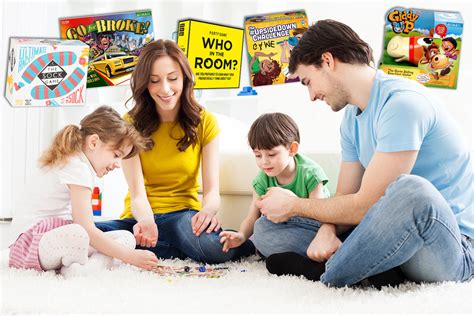
How to pick cooperative, cozy family games engaging teens & toddlers?

Bridging the Age Gap with Unified Fun
Finding a family game that genuinely captivates both a curious toddler and a critical teenager can feel like an Olympic sport. Often, games designed for one age group bore the other, leading to frustration rather than bonding. The secret weapon for harmonious family game nights lies in choosing cooperative, cozy games that foster teamwork, shared laughter, and a sense of collective achievement, rather than competitive rivalry.

The Magic of Cooperative Play for All Ages
Cooperative games inherently shift the dynamic from “me against you” to “us against the game.” This fundamental change is a game-changer for diverse age groups. Toddlers benefit from the support of older players, learning basic concepts without the pressure of direct competition. Teens, on the other hand, can enjoy exercising their strategic thinking, guiding younger siblings, and experiencing the satisfaction of shared success. It fosters empathy, communication, and a strong sense of team spirit – perfect for a cozy family atmosphere.
Key Features for Engaging Both Ends of the Spectrum
When browsing for your next family game, keep these critical attributes in mind:
- Simple Core Rules, Deeper Strategy: Look for games where the basic actions are easy for a toddler to grasp, but which offer opportunities for teens to make more complex, impactful decisions.
- Engaging Themes & Visuals: A captivating story or vibrant artwork can draw in both age groups. Fantastical creatures, rescue missions, or treasure hunts often work well.
- Variable Player Involvement: Some cooperative games allow different levels of engagement. A toddler might be responsible for moving a piece or making a simple choice, while a teen handles more complex resource management.
- Reasonable Playtime: Keep sessions to 20-45 minutes. Toddlers have short attention spans, and even teens can get restless with overly long games.
- Minimizing Player Elimination: In cooperative games, everyone usually stays in until the end, ensuring no one is left out and bored.

Types of Cozy Cooperative Games to Explore
Consider categories that naturally lend themselves to mixed-age play:
- Story-Driven Adventures: Games where players collectively build a narrative or go on a quest. These often have simple mechanics but rich imaginative potential.
- Dexterity & Physical Games: Think games where players work together to stack, balance, or move objects. The physical aspect is naturally engaging for toddlers, while teens can enjoy the challenge of precision.
- Pattern Recognition & Memory Games (with a twist): Cooperative versions of these classics can be fantastic. Instead of competing to remember, everyone works together to uncover patterns or recall locations, often against a “game” timer or threat.
- Problem-Solving Puzzles: Games where the family works together to solve a common puzzle or achieve an objective before a common “loss” condition is met.
Crafting the Ultimate Cozy Game Night Experience
The game itself is only one part of the equation. Setting the right atmosphere is crucial:
- Snacks & Comfort: Cozy blankets, soft lighting, and delicious, easy-to-eat snacks make everyone feel relaxed and content.
- Focus on Fun, Not Perfection: Remind everyone that the goal is shared enjoyment, not winning at all costs. Celebrate small victories and laugh off mistakes.
- Empowerment & Guidance: Allow teens to take on a “leader” or “mentor” role for the toddlers, explaining rules and helping with decisions. For toddlers, make sure they have real, albeit simple, choices to make to feel involved.
- Be Flexible: If a toddler loses interest, don’t force it. Let them drift off to another activity, or pause the game for a short break. The aim is positive association.
Recommended Attributes to Look For
Specific features that enhance engagement across ages include:
- Variable Difficulty Settings: Many cooperative games offer different challenge levels, allowing you to tailor the experience to your family’s dynamic and age range.
- Physical Components: Chunky wooden pieces, large cards, or tactile elements are often more appealing to younger children and can enhance the experience for older ones.
- Strong Communication Focus: Games that require players to discuss strategies and share information naturally bring everyone into the conversation, giving teens a chance to articulate and toddlers to listen and mimic.

Uniting Generations Through Play
Picking the right cooperative, cozy family game transforms a potential headache into a heartwarming opportunity for connection. By focusing on shared goals, engaging themes, and an inclusive atmosphere, you can create cherished memories that resonate with every member of your family, from the smallest adventurer to the savviest strategist. So, dim the lights, grab some snacks, and embark on a shared journey of fun and togetherness.