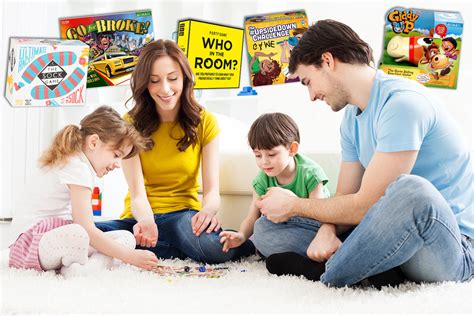
How to pick age-appropriate cozy family games for diverse ages?

Gathering the family for a cozy game night is a cherished tradition, but finding a game that delights everyone from toddlers to grandparents can feel like a quest. The key lies in understanding what makes a game truly age-appropriate and how to leverage the “cozy” factor to create a universally enjoyable experience.
Beyond the Box: Defining Age-Appropriate
When selecting games, the age range printed on the box is a helpful starting point, but it’s crucial to look deeper. “Age-appropriate” isn’t just about reading level or complex rules; it encompasses a child’s developmental stage, attention span, and cognitive abilities. Younger children might struggle with abstract concepts, long waiting times, or intense competition, while older kids and adults might find overly simple games boring. Consider:
- Cognitive Skills: Does the game require strategic thinking, memory, pattern recognition, or basic math?
- Attention Span: How long does a single game last? Can younger players stay engaged without becoming restless?
- Emotional Maturity: How does the game handle winning and losing? Is it competitive or collaborative?

Embracing the “Cozy” Factor
A “cozy” family game is more than just a specific genre; it’s about the feeling it evokes. These games often prioritize shared experiences, gentle competition (or no competition at all), and creating a relaxed atmosphere. They tend to be:
- Low-Pressure: The stakes are low, and the focus is on fun, not intense strategy.
- Cooperative: Many cozy games involve players working together towards a common goal, which naturally bridges age gaps and fosters teamwork.
- Light Strategy: Simple rules that are easy to learn, allowing all ages to participate meaningfully.
- Thematic: Engaging stories or charming visuals that draw players in.
Think of games that encourage storytelling, simple card matching, or collaborative world-building. These foster connection over conquest.

Strategies for Bridging Diverse Ages
Once you understand age-appropriateness and the cozy ethos, employ these strategies to ensure everyone has a great time:
1. Prioritize Cooperative Games: These are golden for diverse groups. Games like Forbidden Island, Pandemic (with modifications), or simple storytelling games like Rory’s Story Cubes allow everyone to contribute without direct conflict. Younger players can follow simpler instructions, while older ones handle more complex decisions.
2. Utilize Variable Difficulty and House Rules: Many games offer modular components or official variants that can simplify or deepen gameplay. Don’t be afraid to create your own “house rules” – for example, giving younger players an advantage or allowing them to team up with an adult.
3. Embrace Team Play: Pair an older child or adult with a younger player. The older player can guide, explain rules, and help with strategy, turning a potentially frustrating experience into a bonding opportunity. This is particularly effective in competitive games where individual skill levels vary widely.

4. Focus on the Experience, Not Just Winning: Shift the family’s mindset from “who wins?” to “what fun are we having?” Celebrate silly mistakes, creative solutions, and shared laughter. This reduces pressure and makes the game more enjoyable for all, regardless of the outcome.
5. Look for Games with Built-in Scalability: Some games naturally accommodate different skill levels. Examples include games with multiple ways to win, or those that allow for simpler objectives for younger players while older players pursue more complex strategies. Abstract strategy games, surprisingly, can sometimes work well if the basic mechanics are simple enough for younger players to grasp, even if they don’t play with optimal strategy.
Key Considerations When Choosing Your Next Game
Before making a purchase, ask yourself these questions:
- Player Count and Interaction: Does the game accommodate your family size? Does it encourage direct interaction, or is it more solitary?
- Game Length: Is it short enough to maintain everyone’s attention, or can it be easily paused?
- Complexity of Rules: How quickly can the game be taught and understood by the youngest participant? Look for games with intuitive mechanics.
- Theme and Interest: Does the theme appeal to a broad range of ages? A universally loved theme (animals, space, fantasy) can make a game much more engaging.
- Replayability: Will the game offer fresh experiences over multiple plays, or will it quickly grow stale?

Conclusion
Picking age-appropriate cozy family games for a diverse group doesn’t have to be a daunting task. By looking beyond the box, embracing cooperative play, adapting rules, and prioritizing the shared experience, you can transform your game nights into cherished memories. The goal isn’t just to play a game, but to create a joyful, unifying activity where everyone feels included and valued. So, gather your loved ones, choose wisely, and let the cozy family fun begin!