How to optimize Switch storage for maximum digital game installs?
Understanding Your Switch’s Storage Limitations
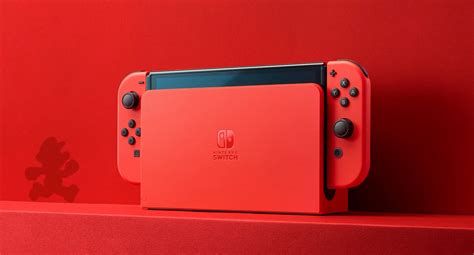
The Nintendo Switch comes with a modest 32GB of internal storage (64GB for the OLED model), a significant portion of which is reserved for the operating system. For avid digital game collectors, this space fills up incredibly fast. Unlike physical game cartridges, digital titles download directly to your console’s memory, ranging from a few hundred megabytes to over 20 gigabytes for larger titles. Efficient storage management is key to preventing constant deletions and frustrating “not enough space” messages.
The Essential Upgrade: A High-Capacity MicroSD Card
The first and most critical step in optimizing your Switch storage is investing in a high-capacity microSD card. The Switch supports microSDXC cards, allowing for capacities up to 2TB (though 1TB is currently the largest commercially available). This external storage becomes your primary location for downloaded games, freeing up precious internal space for system data and critical save files (which usually reside on the internal memory).
Choosing the Right MicroSD Card
- Capacity: Aim for at least 256GB or 512GB for a comfortable library. If you’re a heavy digital downloader, a 1TB card is the ultimate solution.
- Speed: Look for cards with a high read speed. While write speed is less critical for gameplay, a fast read speed ensures quicker game loading times. Most modern UHS-I cards (U1 or U3) from reputable brands like SanDisk, Samsung, or Lexar are perfectly adequate.
- Authenticity: Always purchase from trusted retailers to avoid counterfeit cards that promise high capacity but deliver much less.

Smart Game Management: Archive vs. Delete
When your storage starts to run low, the Switch offers two main options for removing games: “Archive Software” or “Delete Software.” Understanding the difference is crucial for smart management.
- Archive Software: This option deletes the main game data but keeps its icon on your Home menu and, crucially, preserves your save data. Archiving is ideal for games you might want to play again in the future, as redownloading the game data is usually quick and convenient. Since save data is relatively small and often stored internally or in the cloud (with Nintendo Switch Online), archiving is the preferred method for temporary space saving.
- Delete Software: This option completely removes the game and its icon from your Home menu, along with any associated save data (unless it’s backed up via Nintendo Switch Online’s Save Data Cloud). Only use this for games you are absolutely certain you will never play again, or if you need to perform a complete fresh install.
Freeing Up Space: Beyond Game Data
Games aren’t the only files consuming your storage. There are other areas to consider for optimization:
- Screenshots and Video Captures: The Switch allows you to take screenshots and record video clips. These can accumulate quickly, especially if you’re frequently documenting your gaming sessions. Go to your Album from the Home menu and selectively delete unwanted media. You can also transfer these files to your computer via microSD card or upload them to social media to free up space.
- Downloadable Content (DLC) and Updates: While essential, DLC and game updates also take up space. Keep an eye on games you no longer play but still have significant DLC installed.
- Corrupted Data: Occasionally, corrupted data can take up space. You can check for and delete corrupted data through System Settings > Data Management > Manage Software.

Regular Maintenance and Monitoring
Proactive storage management is more effective than reactive scrambling. Make it a habit to periodically check your storage usage:
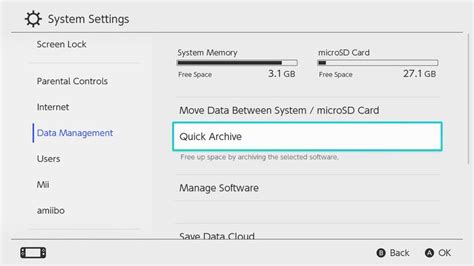
- From the Home menu, go to “System Settings.”
- Scroll down to “Data Management.”
- Here you can see breakdowns of your total space, available space, and how much is used by software, screenshots, and save data on both internal memory and the microSD card.
By regularly reviewing this section, you can identify which games are taking up the most space and make informed decisions about archiving or deleting. Remember, even with a massive microSD card, staying organized ensures your Switch remains a seamless portal to your digital game library.
Optimizing your Nintendo Switch storage is not just about freeing up space; it’s about enhancing your overall gaming experience. By strategically upgrading your storage, managing your game library, and regularly cleaning up unnecessary files, you can ensure that your console is always ready for the next big digital adventure without the constant hassle of data management.