How to make game beginner guides approachable: reduce jargon or focus on core mechanics first?

Crafting an effective beginner guide for video games is a delicate art, balancing the need to inform with the desire to avoid overwhelming new players. A common debate among content creators and game developers revolves around two primary strategies for approachability: should guides prioritize reducing complex jargon, or should they immediately focus on explaining the game’s core mechanics? This article delves into both approaches, exploring their individual merits and how they can be combined for optimal player onboarding.
The Barrier of Jargon: Why Simplify Language?
Video games, especially those with deep lore or intricate systems, often come with their own unique vocabulary. Terms like ‘DPS,’ ‘aggro,’ ‘meta,’ ‘CC,’ ‘proc,’ or ‘crit’ are second nature to veterans but can be utterly alienating to a newcomer. When a guide is peppered with such specialized language without proper explanation, it erects an immediate barrier, making the player feel inadequate or lost before they’ve even grasped the basics.
Reducing jargon means consciously choosing simpler words, providing clear definitions in context, or even creating a mini-glossary for essential terms. The goal is to lower the cognitive load, allowing new players to absorb information without constantly pausing to decipher unfamiliar terminology. This approach fosters a sense of welcome and accessibility, encouraging players to delve deeper rather than disengaging out of frustration.
Prioritizing Core Mechanics: The Foundation of Gameplay
While simplifying language is crucial, understanding a game’s core mechanics is arguably the most fundamental step for a new player. Core mechanics are the essential actions, rules, and systems that define how the game is played – movement, combat fundamentals, resource management, or objective interaction. Without a grasp of these, even a jargon-free guide can leave a player feeling directionless.
Focusing on core mechanics first means demonstrating ‘how to play’ rather than just ‘what things are called.’ It involves guiding players through the primary loop of the game: ‘move here, attack this, collect that.’ This hands-on, experiential learning builds a foundational understanding of the game’s rhythm and immediate goals. Once these basics are internalized, players are better equipped to understand more complex concepts and the jargon associated with them.
The Synergy: Combining Both Approaches for Maximum Impact
The truth is, these two strategies are not mutually exclusive; in fact, they are most powerful when used in concert. A guide that reduces jargon and focuses on core mechanics creates the most welcoming and effective learning experience. Imagine explaining a game’s ‘aggro’ mechanic (jargon) while simultaneously demonstrating how different abilities generate ‘threat’ and how enemies react (core mechanic). The jargon gains immediate, practical context, making it far easier to understand and remember.
A balanced approach begins by introducing core mechanics using simple, universally understandable language. As the player performs these actions, new terms can be introduced gradually and contextually. For instance, explaining how ‘healing over time’ (HoT) works as a core mechanic while demonstrating its effect on a health bar. This iterative learning, where jargon is introduced only when relevant to a newly understood mechanic, prevents overload and reinforces understanding.

Practical Tips for Crafting Superb Beginner Guides
To create guides that truly resonate with new players, consider these practical tips:
- Start with the Absolute Basics: Assume zero prior knowledge. Begin with movement, basic interaction, and the primary objective.
- Contextualize Jargon: Introduce new terms only when their corresponding mechanic is being explained or demonstrated. Provide a quick, simple definition.
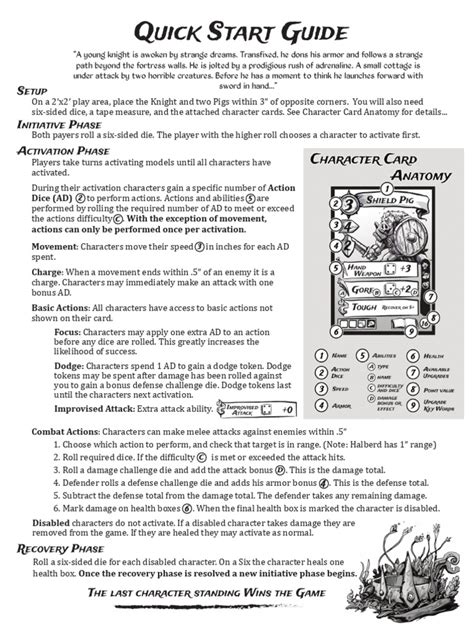
- Utilize Visuals and Examples: Screenshots, short video clips, or clear diagrams can illustrate complex mechanics far better than text alone. Show, don’t just tell.
- Break Down Information: Segment your guide into digestible chunks. Avoid long blocks of text. Use headings, bullet points, and short paragraphs.
- Encourage Hands-On Learning: Prompt players to try out mechanics as they learn them. A guide should be a companion to playing, not just a standalone document.
- Test with Actual Beginners: Have someone completely new to the game (or genre) review your guide. Their feedback will be invaluable for identifying points of confusion.

Conclusion
Ultimately, the most approachable game beginner guides achieve a harmonious balance. They meticulously strip away unnecessary jargon, using clear and concise language, while simultaneously placing a strong emphasis on immediately understandable core mechanics. By making the initial learning curve less steep and more intuitive, guide creators empower new players to confidently explore, enjoy, and ultimately master the games they choose. It’s not about choosing one path over the other, but rather weaving both strategies into a cohesive and supportive learning journey.