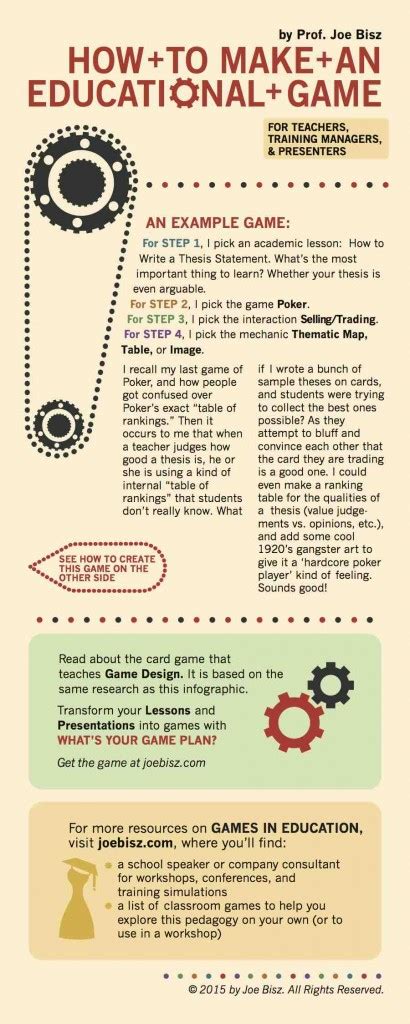
How to make beginner game guides truly actionable for new players’ first steps?

For many new players, a game’s initial moments can be a make-or-break experience. While developers strive to create intuitive onboarding, often the gap is filled by community-created beginner guides. However, many of these guides, while well-intentioned, fall short of being truly actionable, leaving new players just as lost as before. The key to a successful guide is not just information, but the delivery of information that facilitates immediate, confident action.
The Pitfall of Overwhelm: Why Most Guides Fail New Players
A common mistake in beginner guides is the sheer volume of information presented upfront. New players are often bombarded with advanced strategies, intricate lore, or future-state mechanics that have no immediate relevance. This information overload creates anxiety and paralysis, rather than clarity.
Furthermore, many guides explain concepts abstractly without demonstrating their practical application within the game’s initial context. Without a clear ‘why’ or ‘how’ linked to their current situation, players struggle to translate advice into concrete in-game actions, leading to frustration and early abandonment.

Core Principles for Actionable Guides
1. Keep it Short and Sweet (Initial Steps Only)
Focus strictly on the absolute essentials for the first 30-60 minutes of gameplay. What does the player need to do right now to move forward, understand basic controls, and achieve their very first objective? Break down complex concepts into the smallest possible digestible steps.
Resist the urge to explain late-game mechanics or complex skill trees. Those details belong in intermediate guides. For beginners, less is truly more, enabling them to build a foundation without distraction.
2. Provide Immediate Context and “Why”
Every action suggested should be accompanied by a clear explanation of why it’s important at this specific stage. Instead of just saying “craft a basic pickaxe,” explain “craft a basic pickaxe to gather stone, which is essential for building your first shelter and surviving the night.” This contextualizes the action within their immediate survival or progression goals.
Connect early actions to the very next logical step. If they craft a pickaxe, what should they mine? If they mine, what should they build? Create a chain of immediate cause and effect that reinforces understanding and encourages progression.
3. Emphasize “Do This Now” Steps
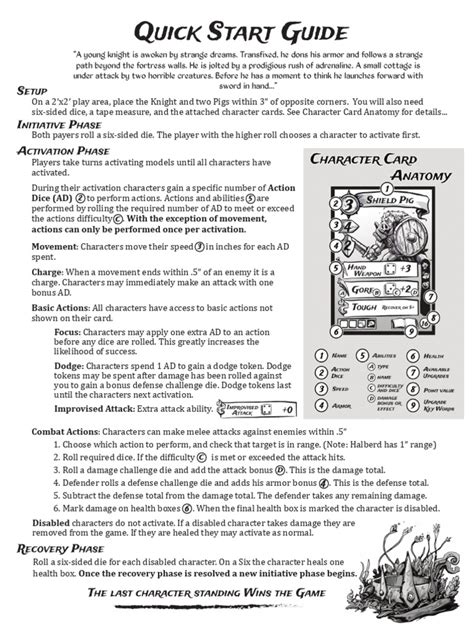
Use active, directive language. Rather than “Players might want to consider…” say “Go to X location. Interact with Y object. Select Z option.” Use bullet points or numbered lists for sequential actions. This directness removes ambiguity and empowers the player to act immediately.
Consider framing these steps as mini-quests or challenges for the player to complete. This gamified approach can make the learning process more engaging and rewarding, reinforcing positive early experiences.
4. Utilize Visual Aids and Examples
Text alone is rarely enough. Integrate screenshots, simple diagrams, or even short animated GIFs (conceptually) that show exactly what to look for and where to click. Highlight relevant UI elements or in-game objects directly in the visuals.
Provide concrete examples of what success looks like. If teaching about inventory management, show an example of an organized inventory. If teaching about a combat combo, illustrate the button presses and the resulting animation.

5. Create a Logical Progression Path
Structure the guide like a learning path, building skills incrementally. Start with movement and basic interaction, then introduce combat, resource gathering, or crafting, and finally, initial questing or objectives. Each section should assume mastery of the previous one.
Avoid jumping around between topics. A linear, step-by-step approach minimizes confusion and allows players to absorb concepts one at a time before moving on to more complex systems.
6. Address Common Early Game Hurdles
Anticipate where new players typically get stuck. Is there a confusing first quest item? A counter-intuitive control scheme? A challenging first enemy? Explicitly address these points with clear solutions or alternative approaches.
Offer simple troubleshooting tips for common issues. “If you can’t find X, check your map for Y marker.” “If you’re taking too much damage, remember to use Z ability.” This proactive guidance prevents frustration before it sets in.

7. Encourage Experimentation and Exploration (within limits)
While the guide should be directive for initial steps, it should also gently encourage exploration and experimentation once basic mechanics are understood. Suggest “Once you’ve done X, feel free to explore the immediate area for Y.” This balances guidance with player agency.
Point players towards in-game tutorials, help menus, or lore entries for deeper dives when they are ready, rather than front-loading all that information. Empower them to learn more at their own pace after they’ve mastered the first steps.

Crafting Your Actionable Guide: A Checklist
- ✓ Focuses on immediate, first-hour gameplay.
- ✓ Uses clear, active, directive language.
- ✓ Explains the ‘why’ behind each action.
- ✓ Incorporates relevant visual aids.
- ✓ Follows a logical, incremental progression.
- ✓ Anticipates and addresses common early pitfalls.
- ✓ Avoids jargon or explains it simply.
- ✓ Encourages confidence, not just consumption of information.
By adhering to these principles, game guide creators can move beyond simply informing players to actively empowering them. An actionable beginner guide doesn’t just tell new players what to do; it guides their hands, builds their confidence, and ensures their initial experience is one of engaging discovery, rather than overwhelming confusion. This commitment to player success is what truly makes a guide indispensable.