How to make a “getting started” guide for a complex game truly useful for first-timers?

Complex games, with their intricate mechanics, deep lore, and expansive systems, offer incredible depth and replayability. However, this very complexity can be a significant barrier for new players. A poorly designed “getting started” guide can transform excitement into frustration, leading to early player drop-off. The key to true usefulness lies in transforming an intimidating learning curve into an engaging, manageable journey.
Empathize with the New Player Experience
Before writing a single word, put yourself in the shoes of a complete novice. They likely know nothing about your game’s unique terminology, core loop, or strategic nuances. Information overload is their biggest enemy. A useful guide doesn’t just present information; it anticipates confusion and offers clear, concise solutions.
Avoid assuming prior knowledge from similar games. What’s intuitive to a veteran might be utterly baffling to a newcomer. Identify the absolute minimum a player needs to know to take their first meaningful action and achieve a small, rewarding success.

Prioritize the Absolute Essentials: The Core Loop
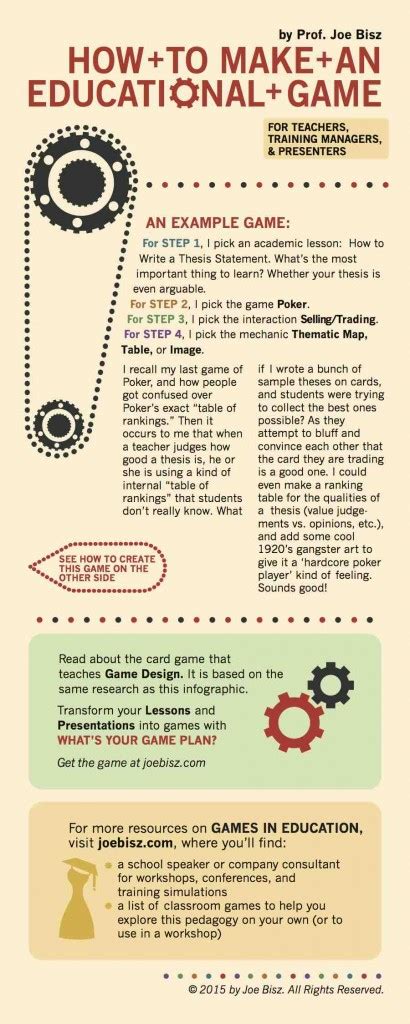
A truly useful guide focuses on the game’s core loop immediately. What are the 2-3 fundamental actions a player must perform repeatedly to progress? Explain these in simple terms. For example, in an RPG, it might be: accept quest -> defeat enemies -> collect loot -> turn in quest -> level up. Break down each step without delving into every possible permutation.
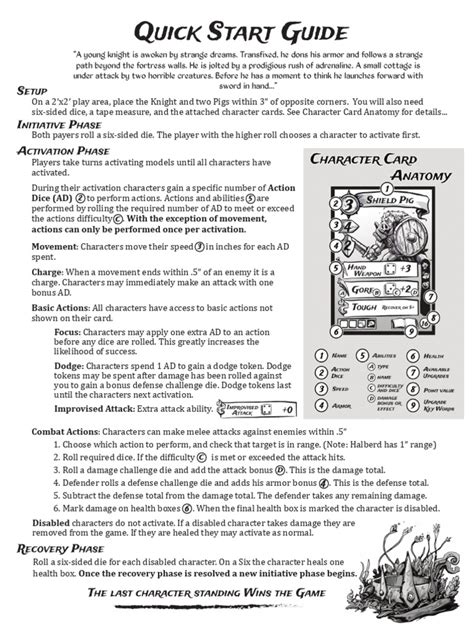
Introduce basic controls and movement, inventory management, and the first objective. Keep early explanations focused on functionality rather than exhaustive detail. Players don’t need to know every possible item drop or character build strategy in the first hour.
Implement Progressive Disclosure and Hands-On Learning
Don’t dump a 50-page manual on them. Instead, employ progressive disclosure, introducing new mechanics only when they become relevant or necessary. This often works best through a series of introductory quests or interactive tutorials that gently guide the player through scenarios that naturally teach core concepts.
Theory alone is insufficient for complex games. Integrate practical examples and opportunities for players to apply what they’ve learned immediately. Show, don’t just tell. If you explain how to craft, have them craft something simple right away. This reinforces learning and builds confidence.

Leverage Visuals and Clear Language
Complex games often involve complex interfaces. Screenshots, diagrams, and short video clips can be invaluable. Highlight specific UI elements being discussed. Use clear, legible fonts and colors that don’t strain the eyes. Visual cues reduce cognitive load significantly.
Use plain language and avoid jargon wherever possible. If game-specific terms are unavoidable, define them clearly the first time they appear. Break down long paragraphs into shorter, digestible chunks, utilizing bullet points and numbered lists for clarity. Think about how a player will scan the guide rather than read it word-for-word.
Structure for Easy Navigation and Accessibility
A useful guide is not just about what it contains, but how easily that information can be accessed. Implement a clear table of contents, search functionality, and internal links (if digital). Players will revisit the guide repeatedly, often looking for specific answers, not a full re-read.
Organize content logically, moving from general concepts to specific details. Allow players to skip sections they already understand or dive deeper into areas that interest them. Consider an in-game glossary for quick look-ups of terms and mechanics.

Encourage Exploration, Not Just Instruction
While guidance is crucial, a truly useful guide also fosters a sense of discovery. Once the core mechanics are understood, the guide should encourage players to experiment and explore the game’s broader world and systems. Instead of detailing every possible outcome, give them the tools to understand consequences and make informed choices.
Point players towards in-game resources, community forums, or advanced guides once they’ve mastered the basics. Acknowledge that the ‘getting started’ guide is just the first step in a much larger journey, empowering them to continue learning on their own.

Creating a truly useful “getting started” guide for a complex game is an art form. It requires empathy, prioritization, progressive learning, clear communication, and thoughtful structure. By focusing on these principles, developers and content creators can transform the daunting first few hours into an inviting gateway, ensuring more players discover and fall in love with the depth their game has to offer.