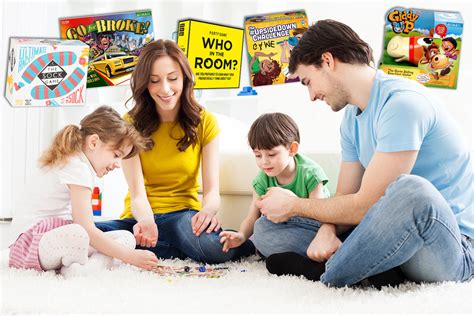
How to keep family board game nights truly cozy and conflict-free with mixed ages 6-12?
Family board game nights are a cherished tradition for many, promising laughter, connection, and a break from screens. However, when you’re dealing with a mixed age group, particularly between 6 and 12, the dream of a cozy, conflict-free evening can quickly turn into a nightmare of squabbles over rules, turns, and perceived unfairness. The good news is, with a little planning and a few clever strategies, you can transform these evenings into genuinely harmonious and fun-filled memories for every member of the family.
Choosing the Right Games for Everyone
The foundation of a successful mixed-age game night lies in selecting games that appeal to and accommodate all participants. Look for titles that are engaging for older children without being overly complex for younger ones, or vice-versa.
- Cooperative Games: These are a game-changer! When everyone is on the same team, working towards a shared goal, the competitive edge that often sparks conflict is significantly reduced. Games like Pandemic: Hot Zone (modified for younger players), Forbidden Island, or Outfoxed! are excellent choices.
- Variable Difficulty Games: Some games offer different rule sets or roles that can be adapted for various skill levels. This allows older kids to enjoy a deeper strategy while younger ones grasp simpler mechanics.
- Quick-Paced & Engaging: Avoid games with long downtime between turns, as this can lead to boredom and fidgeting for younger players. Games with simultaneous play or quick rounds keep everyone involved.
- Test Drive: If possible, try a new game with just the adults first, or with one child, to understand the mechanics and anticipate potential sticking points.

Setting the Scene for Serenity
The atmosphere plays a huge role in fostering a cozy and conflict-free environment. Think beyond just the game itself.
- Comfort is Key: Gather blankets, pillows, and make sure everyone has a comfortable spot. A cozy setting naturally encourages a more relaxed demeanor.
- Snacks & Drinks: Prepare some easy-to-eat, non-messy snacks and drinks beforehand. This prevents interruptions and keeps energy levels up without sticky fingers ruining game pieces.
- Warm Lighting: Dim overhead lights and use lamps or string lights to create a warm, inviting glow. Harsh lighting can feel less relaxed.
- Minimize Distractions: Turn off TVs, put away phones, and silence notifications. Make game night a dedicated time for family connection.

Establishing Clear Rules and Expectations
Before the first dice roll, take a moment to set the stage for positive play. This is crucial for managing expectations across different age groups.
- Simplify & Explain: For complex games, teach the absolute essential rules first. You can introduce advanced mechanics as everyone gets comfortable. Use visual aids or demonstrate turns.
- The ‘Fun First’ Mantra: Remind everyone that the primary goal is to have fun together, not necessarily to win. Emphasize good sportsmanship.
- Turn-Taking & Patience: Clearly establish turn order and talk about the importance of waiting patiently for one’s turn. Gentle reminders are often needed, especially for younger players.
- Adult Role Modeling: Adults should model good behavior, handling wins and losses gracefully, and being patient with younger players.

Navigating and Resolving Conflicts Gracefully
Even with the best preparation, conflicts can arise. The key is to have strategies ready to de-escalate and resolve them quickly and fairly.
- Empathy Over Blame: When a child gets upset, acknowledge their feelings first. “I see you’re frustrated that didn’t work out.” This validates their emotion before addressing the behavior.
- The ‘Do-Over’ Rule: Especially for younger kids, allowing a ‘do-over’ for a misplayed turn can prevent a meltdown and keep the game moving. Establish this rule at the beginning.
- Team Up: For very young players or those struggling, pair them with an older sibling or adult as a “team.” The adult can guide them through turns without taking over entirely.
- Take a Break: If tensions are running high, don’t hesitate to call for a short “reset” break. A quick stretch, a drink of water, or even a different, very simple game can diffuse the situation.
- Focus on Solutions: Instead of dwelling on who’s right or wrong, guide the family to find a solution that works for everyone. “How can we make this fair so everyone can enjoy the rest of the game?”

Making it a Cherished Tradition
Consistent, positive experiences build anticipation and reinforce the joy of family game night.
- Rotate Game Choices: Let each family member have a turn choosing the game, ensuring everyone feels heard and included.
- Involve Kids in Setup/Cleanup: Assigning small, age-appropriate tasks like choosing snacks or putting pieces back in the box gives kids ownership and responsibility.
- Post-Game Chat: After the game, talk about what everyone enjoyed. “What was your favorite part?” “What made you laugh?” This reinforces the positive aspects.
- Flexibility: Understand that not every night will be perfect. Some nights might be shorter, or a game might not go as planned. It’s okay! The goal is connection, not perfection.

By thoughtfully choosing games, creating a welcoming environment, setting clear boundaries, and being prepared to navigate the inevitable emotional ebbs and flows, your family board game nights can truly become the cozy, conflict-free, and joyful traditions you envision. It’s not just about playing games; it’s about building lasting memories and strengthening family bonds.