How to identify truly free-to-play mobile games versus hidden pay-to-win tactics?

Mobile gaming has democratized access to entertainment, offering countless titles at no upfront cost. The promise of “free-to-play” (F2P) is enticing, yet many players quickly discover that some games subtly, or not-so-subtly, demand real money to progress or compete effectively. This phenomenon, known as “pay-to-win” (P2W), can turn an enjoyable experience into a frustrating grind designed to extract cash. Understanding the difference is crucial for any discerning mobile gamer.
The Allure of “Free”: What Does F2P Truly Mean?
Truly free-to-play games offer a complete and satisfying experience without requiring a single cent. Their monetization strategies typically focus on optional purchases that enhance cosmetic appeal, provide convenience without granting power advantages, or remove unobtrusive advertisements. Examples include skins, emotes, battle passes that offer cosmetic rewards, or optional subscription services that grant quality-of-life improvements. The core gameplay loop, progression, and competitive balance remain accessible and fair for all players, regardless of their spending habits.

Unmasking Pay-to-Win: Common Tactics
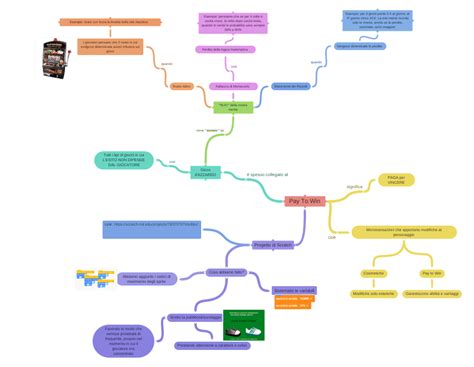
Pay-to-win games, by contrast, integrate monetization directly into core progression and competitive systems, creating bottlenecks that can only be efficiently bypassed with real money. These tactics are often cleverly disguised to appear as mere “convenience” or “time-saving” options.
Energy and Stamina Systems
Many P2W games implement restrictive energy or stamina systems that limit how much you can play without waiting for replenishment or paying to instantly refill. This artificially slows down progression, forcing players to either endure long waits or spend money to continue.
Gated Content and Resource Scarcity
Developers might design games where essential resources, powerful characters, or crucial upgrades become incredibly scarce at higher levels. While possible to obtain them through extensive grinding, the time investment becomes so disproportionate that purchasing “resource packs” or “loot boxes” becomes the de facto solution.

Direct Power Advantages
The most overt form of P2W involves directly selling items, characters, or upgrades that grant a significant competitive advantage. This could be powerful weapons, stronger heroes, exclusive buffs, or faster build times that dramatically outpace what free players can achieve. In player-versus-player (PvP) scenarios, this creates an uneven playing field where skill often takes a backseat to wallet size.
How to Spot a P2W Game Before You Invest
Vigilance and a few simple checks can help you identify P2W traps early on.
Read Reviews and Community Feedback
Player reviews, especially on app stores, Reddit, and gaming forums, are invaluable. Look for common complaints about unfair monetization, mandatory purchases, or the inability to progress without spending. A game’s community often highlights these issues candidly.
Examine the In-Game Shop Early
Spend some time browsing the in-game store shortly after starting a new game. Do you see items that directly boost stats, offer significant power upgrades, or provide huge bundles of scarce resources? Are there “starter packs” that give an immediate, noticeable advantage? If the shop is filled with items that seem to bypass core gameplay, it’s a red flag.
Monitor Timers and Resource Limitations
Pay attention to how quickly energy refills, how long upgrades take, and how difficult it is to acquire premium currency or rare resources through normal gameplay. If waits become excessively long or resources dry up quickly, the game might be pushing you towards spending.
Observe Competitive Modes
If a game features PvP or leaderboards, analyze the top players. Do they all seem to have the same rare, powerful units or gear? Are they consistently outclassing free players by an insurmountable margin? This often indicates that money, not skill or time, is the primary driver of success.
Embracing Truly Free-to-Play Experiences
While the mobile gaming market is rife with P2W tactics, many developers genuinely strive to provide fair and enjoyable F2P experiences. These games thrive on player engagement, optional purchases that enhance the experience, and a strong, balanced community. Supporting such titles encourages developers to continue creating games that respect players’ time and wallets.

Identifying truly free-to-play mobile games from those employing hidden pay-to-win tactics requires a keen eye and an understanding of common monetization strategies. By scrutinizing in-game economies, observing community feedback, and prioritizing games that value player skill and engagement over spending, you can navigate the mobile landscape more effectively, ensuring your gaming experience remains fun, fair, and genuinely free.