How to identify quality mobile games free from aggressive P2W microtransactions?
In the vast and ever-growing landscape of mobile games, finding genuinely high-quality titles that respect your time and wallet can feel like searching for a needle in a haystack. Many free-to-play (F2P) games are marred by aggressive Pay-to-Win (P2W) microtransactions, turning fun into frustration and skill into a credit card battle. This guide will equip you with the knowledge to discern the truly enjoyable experiences from the predatory.
Understanding Aggressive P2W Mechanics
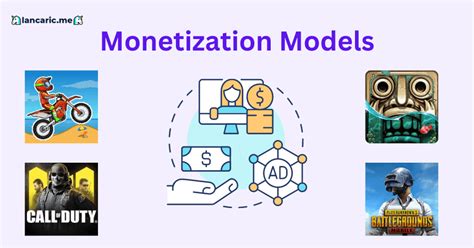
Before you can identify games free from P2W, it’s crucial to understand what aggressive P2W entails. This often refers to systems where a player’s progression, power, or competitive advantage is directly tied to how much real money they spend. While all F2P games need to monetize, aggressive P2W transcends cosmetic purchases or reasonable conveniences, forcing players to pay to keep up or even to fully experience core gameplay.
Common P2W tactics include:
- Energy/Stamina Systems: Limiting playtime unless you pay for refills.
- Gacha/Loot Boxes: Random chance mechanics for obtaining powerful characters, items, or upgrades.
- Paywalls: Blocking access to significant content, features, or faster progression unless money is spent.
- Time Gates: Exorbitant wait times for upgrades or construction that can be skipped with premium currency.
- Competitive Advantage: Selling direct power boosts, exclusive gear, or unfair advantages in PvP modes.

Initial Red Flags: App Store & Early Game
Your first line of defense begins before you even download the game. Pay close attention to these indicators:
App Store Description and Screenshots
Be wary of descriptions that heavily emphasize ‘VIP levels,’ ‘exclusive bundles,’ or ‘daily deals’ right off the bat. While these aren’t always P2W, they signal a strong monetization focus. Screenshots that feature overwhelming UI with multiple currency types, pop-up ads for bundles, or comparison charts of paid vs. free benefits are also red flags.
Player Reviews and Ratings
Dive deeper than just the star rating. Sort reviews by ‘most recent’ and ‘lowest’ to catch common complaints. Look for terms like ‘greedy,’ ‘P2W,’ ‘money grab,’ ‘paywall,’ or ‘impossible without spending.’ Also, note if positive reviews seem generic or unspecific, or if they mention only early-game enjoyment before monetization ramps up.
The First Hour of Gameplay
The tutorial and initial chapters are critical. If the game bombards you with pop-up offers, discounted bundles, or urgent calls to buy premium currency within minutes of starting, it’s a strong sign of aggressive monetization to come. Observe how quickly you hit a progression wall or how prominently premium options are integrated into core gameplay loops early on.
Gameplay Mechanics to Scrutinize
Once you’re past the initial assessment, specific in-game mechanics can reveal a P2W core:
- Resource Scarcity: Do basic resources become incredibly scarce, pushing you towards premium purchases?
- Progression Walls: Does your progress grind to a halt unless you obtain rare items or powerful characters that are primarily available through gacha or paid bundles?
- Competitive Imbalance: In PvP games, do you consistently encounter opponents with vastly superior stats or gear that are clearly obtained through spending rather than skill or consistent free play?
- Energy/Timer Limitations: While some games use these mildly, aggressively short energy bars or excessively long timers for basic actions (e.g., building, crafting, healing) that can only be bypassed by paying are classic P2W signs.

Fairer Monetization Models to Look For
Not all F2P monetization is bad. Quality games often employ models that are player-friendly:
- Cosmetics Only: Selling skins, emotes, or other purely aesthetic items that don’t affect gameplay.
- Battle Passes (Done Right): Offering a season pass that provides a steady stream of rewards for playing, with a clear free tier and a premium tier that offers more cosmetics or minor conveniences without making the game unplayable without it. The key is that the premium pass is earned through play, not just spending.
- Premium Games (Paid Upfront): These are often the safest bet for a P2W-free experience, as you pay once and get the full game.
- Optional Quality-of-Life Purchases: Small, one-time purchases that add convenience (e.g., ad removal, expanded inventory) but don’t fundamentally gate progression or power.

Community Insights and Developer Reputation
Engage with the game’s community to gather valuable insights. Visit official forums, Reddit subreddits, and Discord servers. Active communities often discuss monetization practices openly. If there’s widespread discontent about P2W, it’s a major warning sign.
Furthermore, research the developer. Do they have a history of releasing P2W games? Are they responsive to player feedback? A developer with a track record of fair monetization and consistent, quality updates is a good indicator of a trustworthy game.
The Power of Player Reviews (Revisited)
When reading reviews, look for detailed accounts of specific P2W mechanics. A single negative review might be an outlier, but a pattern of complaints about energy systems, unfair PvP, or required purchases at a certain game stage should not be ignored. Conversely, look for positive reviews that specifically praise the game’s generosity or its ability to be enjoyed without spending money.

Identifying quality mobile games free from aggressive P2W microtransactions requires a discerning eye and a bit of detective work. By understanding the common tactics, scrutinizing app store information, observing early gameplay, and leveraging community insights, you can navigate the mobile gaming landscape more effectively. Prioritize games that respect your time and offer genuine fun, ensuring your mobile gaming experience is enjoyable, not exploitative.