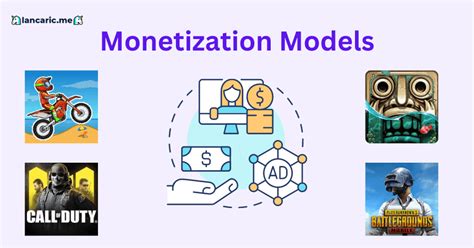
How to identify quality mobile games avoiding aggressive ads & pay-to-win mechanics?

Navigating the Mobile Gaming Minefield
The mobile gaming market is a double-edged sword: brimming with innovative and engaging titles, yet also saturated with games designed primarily to extract money through relentless ads and unfair pay-to-win (P2W) mechanics. For discerning players, finding genuine quality amidst the noise can feel like an impossible quest. This guide will equip you with the tools to spot the red flags and identify games that respect your time and wallet.

Decoding Aggressive Ad Practices
Aggressive ads are one of the most immediate indicators of a potentially low-quality mobile game. While many free-to-play games incorporate ads for monetization, the key is their frequency, intrusiveness, and necessity. Look out for:
- Forced Pop-up Ads: Ads that interrupt gameplay at short, unpredictable intervals, especially after every level or even mid-game.
- Non-Skippable Ads: Ads that force you to watch for 30 seconds or more without the option to close them, often before you can even start playing or after a minor action.
- Excessive Rewarded Ads: While rewarded ads (watching an ad for an in-game bonus) can be a fair monetization method, an over-reliance on them for basic progression signals a grind-heavy design meant to push you towards watching more ads or paying to bypass the grind.
- Ads on Startup/Loading Screens: If an ad plays every time you launch the game or load a new section, it’s a strong deterrent for long-term enjoyment.
Before downloading, check recent reviews for mentions of “too many ads” or “ad-ridden.” Often, users are quick to point out these frustrations.

Unmasking Pay-to-Win Mechanics
Pay-to-win games create artificial difficulty barriers that can only be overcome efficiently by spending real money. This differs significantly from games that offer cosmetic purchases or optional convenience items. Here’s how to identify P2W:
- Energy Systems: A common tactic where you have a limited “energy” bar that depletes with gameplay and replenishes slowly over time, or instantly by paying.
- Essential Upgrades Locked Behind Paywalls: If progression becomes impossibly slow or stops altogether without purchasing stronger gear, characters, or ability unlocks with real money, it’s P2W.
- Competitive Advantage for Spenders: In multiplayer games, if paying players consistently outperform non-paying players due to exclusive access to superior items or boosts, it undermines fair competition.
- Time-Gating: Building/research timers that extend to days or weeks, with the option to instantly complete them by spending premium currency (which is often purchased with real money).
- Loot Boxes/Gacha with Critical Rewards: While some loot boxes are cosmetic, if crucial power-ups, characters, or items are primarily obtained through randomized paid pulls, it’s a gamble designed to make you spend.
Look for games where all core content is accessible through skill and dedication, with purchases being purely optional or cosmetic.

Leveraging App Store Information and User Reviews
The app store listing itself is a goldmine of information if you know what to look for:
- Developer Reputation: Research the developer. Do they have a history of creating quality, fair games, or are their previous titles known for aggressive monetization?
- Description and Features: Read the game’s description carefully. Does it promise a rich experience, or does it focus heavily on “special offers,” “boosters,” or “exclusive bundles”?
- In-App Purchases (IAP) List: Most app stores list the range of IAPs. If the highest price point is excessively high (e.g., $99.99 for a “pile of gems”), or there are dozens of different IAP options, proceed with caution.
- User Reviews and Ratings: Don’t just look at the overall star rating. Read recent critical reviews (1-3 stars) first. Players are often very vocal about ads, P2W, and bugs. Filter by “most recent” to get an up-to-date picture. Conversely, be wary of games with an unusually high number of 5-star reviews with generic comments, which can sometimes indicate manipulated ratings.
Seeking Out Quality Alternatives
There are many excellent mobile games that eschew aggressive monetization. Here’s what to look for:
- Premium Games: These are games you purchase once upfront. They typically offer a complete, ad-free, and P2W-free experience from start to finish. Many console-quality ports fall into this category.
- Fair Free-to-Play Models: Some F2P games thrive on cosmetic purchases (skins, emotes), battle passes that reward active play, or optional subscriptions that enhance the experience without making it necessary for progression.
- Transparent Monetization: Developers who clearly explain their monetization strategy and offer fair value for money often earn player trust.
- Community Buzz: Look for games praised in reputable gaming communities (Reddit r/AndroidGaming, r/iosgaming, gaming forums, dedicated YouTube channels) for their gameplay, fair monetization, and developer communication.
- Independent Review Sites: Many independent gaming websites and critics focus specifically on mobile gaming and provide in-depth analysis of monetization practices.
By adopting a critical eye and utilizing the resources available, you can navigate the mobile gaming landscape successfully, ensuring your time and money are spent on truly rewarding and ethical gaming experiences.