How to identify predatory F2P gacha systems before investing time?
Free-to-play (F2P) games, especially those employing gacha mechanics, offer endless entertainment without an upfront cost. However, not all F2P systems are created equal. Some are designed with aggressive monetization strategies that can feel manipulative or predatory, exploiting player psychology rather than offering genuine value. Identifying these systems early is crucial to avoid investing countless hours and potentially significant sums of money into a game that ultimately leaves you feeling exploited. This guide will help you spot the tell-tale signs before you’re too deeply entrenched.
Understanding Predatory Gacha Mechanics
At its core, a predatory gacha system is one that employs unfair, opaque, or overly aggressive tactics to encourage continuous spending, often without providing a proportionate return in enjoyment or progression. These systems often prey on a player’s fear of missing out (FOMO), sunk cost fallacy, or desire for completion, making it difficult to step away once invested. They might disguise low drop rates, hide crucial information, or constantly introduce new, must-have content that rapidly depreciates older purchases.

Initial Red Flags to Look For
When you first start a new F2P gacha game, keep an eye out for these early warning signs:
- Aggressive Pop-ups and Sales: Constant, unavoidable pop-ups pushing ‘limited-time’ offers, especially shortly after starting, can indicate an overly aggressive monetization strategy.
- Unclear Gacha Rates: If the game doesn’t prominently display the exact drop rates for all items in its gacha pulls (especially for rare characters or equipment), proceed with extreme caution. Transparency is key to fairness.
- Pay-to-Win (P2W) Imbalance: Observe if early-game progression feels significantly slower or harder without spending, or if PvP modes are dominated by players who clearly have superior, paid-for units. A healthy F2P game allows skill and time to triumph, or at least compete, with spending.
- Instant Power Creep: If new characters or items are introduced frequently and immediately render existing top-tier content obsolete, it suggests a system designed to force continuous spending to stay competitive.
Analyzing the Gacha Pull Experience
Dive a little deeper into how the gacha itself operates:
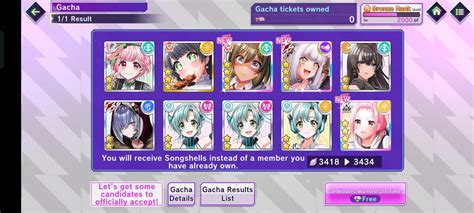
Even with displayed rates, the actual mechanics matter. Look for:
- Poor Pity Systems: A ‘pity’ system guarantees a rare item after a certain number of failed pulls. A predatory system might have no pity, an extremely high pity threshold, or a ‘soft pity’ that only slightly increases rates, rather than guaranteeing a specific outcome. Worse still, a pity counter that resets with every new banner means your investment never truly accumulates towards a goal.
- Duplicate Value: What happens when you pull a duplicate of an item you already own? If duplicates are essentially worthless or provide only marginal benefits (e.g., a tiny stat boost or generic currency), it signifies that the game heavily relies on you pulling new items rather than improving existing ones. Games with fair systems often allow duplicates to be traded for valuable resources or significantly enhance the existing unit.
- Character/Item Fragmentation: Some games require you to pull not just a character, but also their unique weapon, specific ‘artifacts,’ or multiple copies of the same character to unlock their full potential. This multiplies the cost of obtaining a single, powerful unit.
Community Sentiment and Developer Practices
Beyond the game’s mechanics, external factors can reveal a lot about its long-term health and fairness:

- Check Reviews and Forums: Spend time on Reddit, YouTube, and other gaming communities. What are long-term players saying? Are there widespread complaints about monetization, lack of content, or broken promises?
- Developer Communication: Are the developers transparent and communicative with their player base? Do they address concerns about monetization and game balance, or do they only announce new banners and sales? A lack of engagement can be a red flag.
- History of the Developer: If the developer or publisher has a history of launching games with similar predatory practices that quickly fail or lose player trust, it’s wise to be wary.
Test the Waters with Minimal Investment
Before fully committing, treat the first few days or weeks as an assessment period:
Play through the early stages without spending any real money. Can you progress at a reasonable pace? Do you feel compelled to spend to overcome obstacles? Try to understand the ‘endgame’ loop early on. Is it fun and rewarding, or does it become a repetitive grind designed to push you towards spending? Look at what veteran free-to-play players achieve versus spenders. If the gap is insurmountable, the system is likely designed to keep you on an endless spending treadmill.
Conclusion: Play Smart, Not Sorry
Identifying predatory F2P gacha systems early on is about empowering yourself as a player. By being aware of aggressive monetization tactics, scrutinizing gacha mechanics, listening to community feedback, and testing the game’s generosity, you can make informed decisions about where to invest your precious time and money. There are many excellent, player-friendly F2P gacha games out there; choose wisely and ensure your gaming experience remains fun and fair.