How to identify predatory F2P gacha systems and avoid overspending?
The Allure and The Trap of F2P Gacha Games
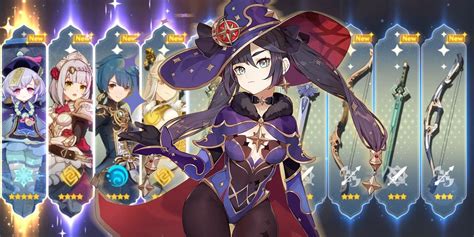
Free-to-play (F2P) gacha games have exploded in popularity, offering captivating worlds, engaging gameplay, and the exciting prospect of collecting powerful characters or rare items. Based on the Japanese vending machine concept where players insert coins for a random toy, gacha mechanics introduce an element of chance and surprise. While many F2P games offer a fair and enjoyable experience without significant spending, a subset employs manipulative tactics designed to push players into overspending. Recognizing these predatory systems is crucial for maintaining a healthy relationship with your hobby and your wallet.
Understanding the Gacha Hook and Psychological Triggers
At its core, gacha preys on several psychological principles. The thrill of the unknown, the joy of a rare pull, and the completionist urge to collect every item or character are powerful motivators. Games are often designed to deliver intermittent variable rewards – the most addictive form of reinforcement – making each pull a mini-gamble with potential high stakes. Developers also leverage social pressure, leaderboards, and the desire for power to encourage spending, sometimes targeting a small percentage of players (known as “whales”) who contribute a disproportionately large amount to the game’s revenue.
Red Flags of Predatory Gacha Systems
Identifying a predatory system requires careful observation beyond the initial fun. Here are key indicators:
- Extremely Low Drop Rates & Unfair Pity Systems: If the chance of getting a desired rare item is consistently below 1% (or even 0.1%) and the “pity” timer (guaranteed rare pull after a certain number of attempts) requires an exorbitant amount of pulls, it’s a red flag. True predatory systems will make it seem almost impossible to get specific items without significant spending.
- Aggressive FOMO (Fear of Missing Out): Constant limited-time banners, exclusive characters or items that will “never return,” and urgent countdown timers pressure players to spend immediately. This preys on the anxiety of missing out on something valuable or essential for progress.
- Sunk Cost Fallacy Exploitation: Games might encourage small initial investments, then make you feel that because you’ve already spent money or time, you must spend more to “catch up” or not let your previous investment go to waste.
- Constant “Special Deals” & Overwhelming Pop-ups: If you’re bombarded with numerous pop-ups upon logging in, confusing bundles, and “time-limited” offers, it’s a sign they want to pressure you into impulsive purchases. Often, these deals aren’t as good as they seem.
- Mandatory Power Creep & Paywalls: Regularly introducing new, significantly stronger characters or items that make older ones obsolete (power creep), forcing players to continually spend to stay competitive. Furthermore, locking essential game modes, progress, or quality-of-life features behind paywalls indicates a pay-to-win model.
- Confusing Currencies & “Value Packs”: Using multiple in-game currencies, some earned, some bought, makes it difficult to track actual spending. “Value packs” often disguise the true cost per item by bundling disparate things together.
Strategies to Avoid Overspending
Protecting yourself from predatory gacha requires proactive measures and self-awareness:
- Set a Strict Budget: Before you even start playing, decide on a monthly spending limit and stick to it. Treat it like any other entertainment budget. If you hit your limit, stop spending, no matter the temptation.
- Disable One-Click Purchases & Unlink Payment Methods: Add friction to spending. Requiring a password or even unlinking your credit card can give you a crucial moment to reconsider before making an impulsive purchase.
- Research & Read Reviews: Before heavily investing time or money, check community forums, Reddit, and reputable gaming sites for reviews and discussions about the game’s monetization practices. Are players feeling exploited?
- Recognize Psychological Triggers: Be aware of when FOMO, sunk cost fallacy, or the thrill of the pull is influencing you. Step back and analyze if your desire to spend is rational or emotionally driven.

- Focus on Fun, Not Completion: Shift your mindset from needing every character or item to simply enjoying the gameplay, story, or social aspects. Free-to-play doesn’t mean you have to buy everything to have fun.
- Take Breaks: If you feel the urge to spend, take a break from the game for a few hours or even a day. Often, the urge subsides once you’re away from the immediate pressure.
- Play Multiple Games: Diversifying your gaming interests can prevent you from becoming too invested in a single game’s monetization cycle.
- Never Chase the Meta: Unless you are a professional gamer, constantly chasing the newest, most powerful units to stay at the absolute top of leaderboards is a surefire way to overspend. Enjoy the game at your own pace.
When to Walk Away
Sometimes, the best strategy is simply to disengage. If a game consistently makes you feel anxious, stressed, or regretful about your spending, or if you find yourself spending beyond your means, it’s time to consider quitting. Your mental and financial well-being are more important than any virtual collection.
Conclusion
F2P gacha games can offer immense entertainment, but they also harbor sophisticated traps. By understanding the psychological hooks and recognizing the red flags of predatory monetization, you empower yourself to make informed decisions. Set your boundaries, stick to your budget, and prioritize your enjoyment and financial health over the fleeting satisfaction of a rare digital item. A healthy gaming experience is one where you are in control, not the game’s monetization system.