How to identify predatory F2P gacha mechanics and avoid overspending?
Understanding the Lure of Free-to-Play Gaming
Free-to-Play (F2P) games have revolutionized the gaming landscape, offering accessible entertainment without an upfront cost. However, many F2P titles, particularly those employing gacha mechanics, generate revenue through in-game purchases that can quickly accumulate. While some monetization strategies are fair, others are designed to exploit psychological vulnerabilities, leading players into cycles of overspending. Recognizing these predatory mechanics is the first step toward enjoying your games responsibly and protecting your finances.

Common Predatory Gacha Mechanics Exposed
Predatory practices in F2P gacha games are often subtle, meticulously engineered to encourage continuous spending. Being aware of these tactics can significantly reduce their impact on your wallet.
Low Probability & Endless Chasing
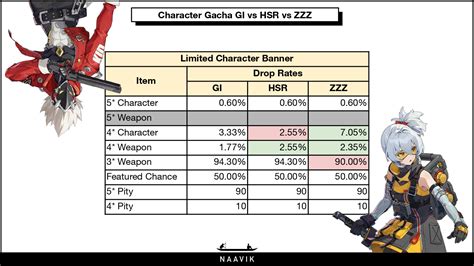
Many gacha systems feature extremely low odds for desirable items, characters, or upgrades. Players are often encouraged to spend large sums of money, or premium in-game currency, on ‘pulls’ or ‘spins’ with a minuscule chance of success. The inclusion of ‘pity’ systems, which guarantee a rare item after a certain number of failed attempts, can paradoxically encourage more spending, as players feel they are ‘due’ for a win, falling prey to the gambler’s fallacy.
Fear of Missing Out (FOMO) & Limited Offers
Time-limited banners, seasonal events, and exclusive character releases are powerful FOMO triggers. Developers frequently introduce powerful or highly coveted items that are only available for a short period, creating a sense of urgency and scarcity. This pressure can compel players to spend impulsively, fearing they will miss out on content that might never return or give them a competitive edge.

Complex Virtual Currencies & Value Obfuscation
A common tactic is the use of multiple layers of virtual currencies, often with convoluted exchange rates. Players might need to convert real money into ‘gems,’ then ‘gems’ into ‘pulls,’ obscuring the actual monetary value of each transaction. Bundles and special offers can further confuse players about how much they are truly spending, making it harder to track expenses and budget effectively.
“Whale Hunting” & Pay-to-Win Dynamics
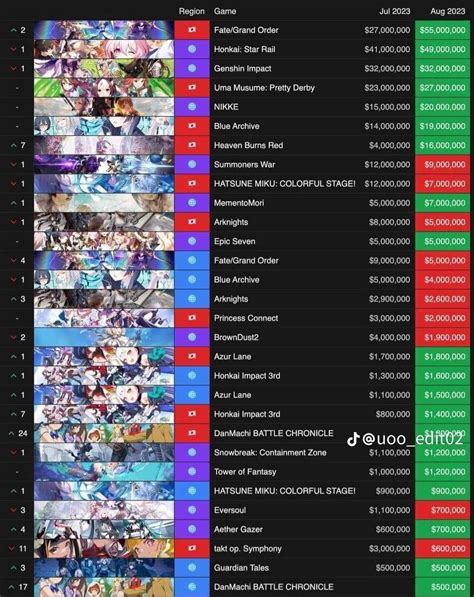
Some F2P games are primarily designed to extract large sums from a small percentage of high-spending players, known as “whales.” This often manifests as pay-to-win (P2W) elements, where spending money grants significant competitive advantages or faster progression. Arena rankings, guild wars, or leaderboards can become dominated by spenders, creating immense pressure for other players to spend to keep up, or risk being left behind in terms of content or progress.

Strategies to Safeguard Your Wallet
Avoiding overspending in F2P gacha games requires discipline and a conscious understanding of your habits. Here are practical strategies to keep your finances in check:
Set Strict Budgets and Stick to Them
Before you even download an F2P game, decide on a monthly spending limit – and make sure it’s a number you are comfortable losing. Treat it like entertainment money, not an investment. Many platforms allow you to set spending limits directly on your account, or you can use a dedicated digital wallet with a fixed amount. If you hit your limit, stop spending immediately.
Research Probabilities and Community Reviews
Always check the gacha probabilities. Most legitimate games disclose these odds. Understand what you’re actually paying for. Additionally, consult online communities, forums, and content creators for reviews of new banners or items. They can often provide insights into whether a specific character or item is truly worth the potential cost or if it’s simply an artificial hype generator.
Recognize Psychological Manipulation
Be aware of the psychological triggers developers use. If you feel intense pressure to buy, are experiencing the “sunk cost fallacy” (feeling you must spend more because you already have), or are responding to FOMO, take a step back. Ask yourself if you truly need the item or if you’re just reacting to emotional manipulation. Delaying purchases by 24 hours can often diffuse impulsive spending.
Value Gameplay Over Collection
Remember why you play games: for fun, challenge, and entertainment. Shift your focus from collecting every rare item or topping leaderboards to enjoying the core gameplay loop, story, and social aspects. Most F2P games can be enjoyed without constant spending. Embrace the characters and resources you have, and optimize your strategy around them instead of constantly chasing new ones.

Conclusion: Play Smart, Spend Wisely
F2P gacha games can offer immense enjoyment, but they come with inherent risks for those susceptible to their meticulously crafted monetization schemes. By educating yourself on predatory mechanics and implementing personal spending strategies, you can maintain control over your finances. Play smart, be mindful of your habits, and ensure your gaming experience remains a source of pleasure, not financial stress.