How to identify genuinely free mobile games vs. ‘freemium’ with hidden costs?

In the vast ocean of mobile gaming, the word ‘free’ often comes with an asterisk. Many games entice players with a zero-dollar download price, only to reveal a labyrinth of in-app purchases (IAPs), intrusive ads, and progress gates designed to extract money. This ‘freemium’ model can be frustrating for players seeking genuine entertainment without constant financial pressure. But how can you tell the difference before investing your time?

The Allure of “Free” Games
The concept of a ‘free’ mobile game is incredibly appealing. It lowers the barrier to entry, allowing anyone with a smartphone to dive into new virtual worlds. However, very few games can sustain development and operations without some form of revenue. This reality has led to the widespread adoption of the freemium model, where the basic game is free, but premium features, faster progress, or cosmetic items come at a cost.
Understanding the ‘Freemium’ Model
Freemium games are not inherently bad. Many offer hours of enjoyment without requiring a single purchase. The key is understanding their monetization tactics:
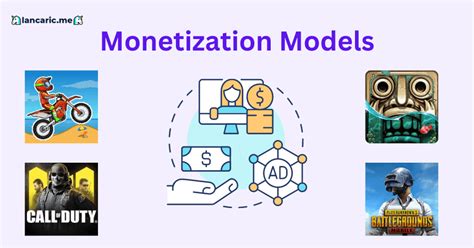
- In-App Purchases (IAPs): These can range from cosmetic skins and character upgrades to currency packs and ‘time savers’ that bypass waiting periods.
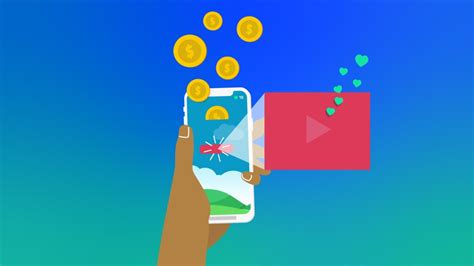
- Ad Monetization: Games might display banner ads, interstitial ads (full-screen ads between levels), or rewarded video ads (watch an ad for in-game currency or a bonus).
- Energy/Stamina Systems: Many games limit play sessions by giving you a finite amount of ‘energy’ or ‘lives’ that regenerate over time, or can be instantly refilled with IAPs.
- Paywalls and Timers: Progress can be artificially slowed by long building times, research timers, or content locked behind an upfront purchase.
Key Indicators of Hidden Costs
1. Check App Store Listings
The first place to look is the app store page itself. Both Google Play Store and Apple App Store clearly label games with ‘In-App Purchases’ present. Below the install button, you’ll often see a small note. On iOS, you can also view ‘App Privacy’ and ‘In-App Purchases’ sections for more details. On Android, scrolling down reveals a ‘Developer contact’ and a ‘Permissions’ section, which can sometimes hint at ad networks.

2. Read User Reviews and Ratings
User reviews are invaluable. Players are often quick to call out aggressive monetization, ‘pay-to-win’ mechanics, excessive ads, or frustrating energy systems. Look for recurring complaints about difficulty spikes that seem designed to push IAPs or frequent interruptions by ads.
3. Watch Out for “Energy” or “Life” Systems
If a game limits your playtime with a finite resource that depletes with each action and regenerates slowly, it’s a strong indicator of a freemium design. While some games implement this fairly, many use it to pressure players into buying instant refills.
4. Observe Ad Frequency and Type
Install the game and play for 15-30 minutes. How often do ads appear? Are they opt-in (rewarded ads) or forced (interstitial, banner)? If ads pop up every few minutes or after every level, the game is heavily reliant on ad revenue, and often offers an ‘ad-free’ IAP.
5. Identify “Pay-to-Win” Mechanics
This is crucial for competitive games. If you notice that players who spend money gain significant, unfair advantages (e.g., exclusive powerful items, faster progression, or overwhelming stat boosts) over those who don’t, it’s a clear ‘pay-to-win’ freemium title. Genuinely free games usually rely on skill or offer only cosmetic purchases.
Finding Genuinely Free Mobile Games
While challenging, truly free experiences exist. Some developers release their games completely free with no IAPs or ads, often as a passion project or promotional tool. Others might offer a full game for a limited time as a ‘deal.’ Subscription services like Netflix Games also offer a growing library of premium mobile titles with no ads or IAPs, included with a standard Netflix subscription.
Conclusion
Navigating the mobile game landscape requires a discerning eye. By understanding the common monetization strategies and actively looking for the red flags in app store descriptions, user reviews, and initial gameplay, you can become adept at identifying genuinely free mobile games from their freemium counterparts. This allows you to make informed decisions and enjoy your gaming experience without unexpected costs.