How to identify fair F2P Gacha games vs. pay-to-win money sinks?
The free-to-play (F2P) gacha game model has become a cornerstone of the mobile gaming industry, offering enticing gameplay loops and the thrill of collecting rare characters or items. However, this model exists on a spectrum, from genuinely player-friendly experiences that respect your time and wallet to aggressive “pay-to-win” money sinks designed to pressure spending. Understanding the difference is crucial for any gamer looking to enjoy these titles without falling into common traps.

Understanding the F2P Gacha Landscape
At its core, a gacha game borrows its mechanics from Japanese capsule toy machines. Players spend in-game currency, often acquired through gameplay or purchased with real money, for a chance to receive randomized rewards. The F2P aspect means the game itself is free to download and start playing. The challenge lies in determining if the free experience is complete and enjoyable, or merely a gateway to constant monetization demands.
Red Flags: Identifying Pay-to-Win Money Sinks
Predatory gacha games often exhibit specific characteristics that signal their intent to prioritize revenue over player experience. Being aware of these red flags can save you considerable frustration and money.
- Aggressive Energy Systems & Time Gates: Games that severely limit your playtime through energy systems that regenerate slowly, or artificially inflate progression times unless you pay, are often designed to push purchases.
- Mandatory Premium Currency for Core Progression: If essential upgrades, story progression, or character advancements are locked behind premium currency that is scarce for F2P players, it’s a bad sign.
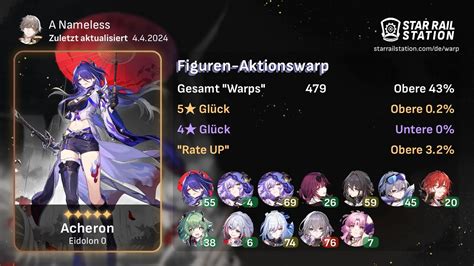
- Exorbitant Prices & Low Pull Rates: Gacha rates are often low, but if the cost per pull is high and there’s no pity system or a very high pity threshold, it indicates a steep climb for F2P users. Watch out for games that make it feel impossible to get desired units without spending hundreds.
- Overwhelming Power Imbalance in PvP/Endgame: When competitive modes or late-game content become utterly dominated by whales (players who spend heavily), making it impossible for F2P players to compete, the game is heavily pay-to-win.
- Constant Pop-ups & Sales Pitches: Games that barrage you with notifications for new bundles, limited-time offers, and “starter packs” immediately upon login or after every action are likely aggressive in their monetization.
Green Flags: Spotting Fair & F2P-Friendly Gacha Games
On the flip side, many gacha games genuinely aim to provide a fun and sustainable experience for all players, regardless of spending habits. Look for these positive indicators:
- Generous Free Currency & Pulls: A fair gacha game provides ample opportunities to earn premium currency and gacha pulls through daily quests, events, login bonuses, and main story progression.
- Clear F2P Progression Path: There should be a viable path for F2P players to clear all content, albeit perhaps at a slower pace. This often involves strong free units, attainable upgrade materials, and strategic gameplay overcoming raw power.
- Cosmetic-Focused Monetization: Games that primarily sell cosmetic items (skins, emotes) while keeping gameplay-altering power attainable for F2P players are generally fairer. This allows whales to support the game without creating an unfair advantage.
- Attainable Pity Systems & Banners: A well-implemented pity system guarantees a rare unit after a certain number of pulls, making it possible for F2P players to save up and target specific characters. Fair games also often feature reruns of desirable banners.
- Developer Transparency & Community Engagement: Developers who communicate openly about future updates, balance changes, and gacha rates, and actively engage with their community, tend to foster a healthier game environment.
Key Questions to Ask Before Investing Your Time (and Money)
Before committing to a new F2P gacha title, ask yourself these questions:
- Can I progress meaningfully without spending?
- Are the core gameplay loops enjoyable even with the free-to-play options?
- How often do I get free premium currency or gacha pulls?
- Is there a clear “pity” system for gacha, and is it achievable for F2P?
- Are competitive modes balanced, or are they dominated by top spenders?
- Does the game constantly try to sell me something, or does it let me play?
- What do community reviews (not just store ratings) say about the monetization?

Conclusion
The F2P gacha landscape is vast and varied. While it offers many enjoyable experiences, it’s also rife with titles designed to exploit player psychology for profit. By understanding the common red flags and green lights, and by asking critical questions, you can empower yourself to make informed decisions. Choose games that respect your time and wallet, allowing you to enjoy the thrill of collecting without the pressure of constant spending. Happy gaming!