How to identify F2P Gacha value packs from predatory microtransactions?

The Lure and Trap of F2P Gacha Games
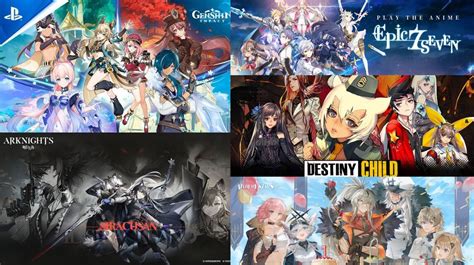
Free-to-Play (F2P) gacha games have become a dominant force in the mobile gaming landscape, offering engaging experiences without an upfront cost. However, their monetization strategies, primarily through microtransactions and gacha mechanics, present a double-edged sword. While some in-game purchases can genuinely enhance your gaming experience and offer good value, others are designed to exploit psychological vulnerabilities, leading to excessive spending without meaningful returns. Understanding how to distinguish between these two extremes is crucial for any F2P gacha player.

Defining Value in Gacha Microtransactions
A ‘value pack’ in a gacha game isn’t just about a big number; it’s about the tangible benefit it provides relative to its cost and the alternatives within the game. When assessing value, consider the following:
Cost-Benefit Analysis
Does the pack offer a significant discount compared to purchasing its contents individually? For example, a bundle of 10 premium currency units for $5 might be considered good value if buying them one by one would cost $10. Look for clear, quantifiable savings.
Permanent vs. Temporary Gains
Does the purchase provide lasting benefits, such as a permanent character unlock, a significant boost to resource generation, or a quality-of-life feature (e.g., auto-battle functionality)? These tend to offer more sustained value than temporary buffs or single-use items.
Quality of Life (QoL) Enhancements
Some packs offer features that streamline gameplay, reduce grind, or improve convenience. While these might not directly boost power, they can significantly enhance enjoyment. A good QoL pack improves the game without making it feel mandatory for progression.
Progression Accelerators
A value pack might genuinely speed up your progression without locking you into further spending. This could include a battle pass that rewards you for playing or a starter pack that gives a solid foundation without being overwhelmingly expensive.
Identifying Predatory Microtransactions
On the flip side, predatory microtransactions often leverage psychological tactics to pressure players into spending. Here are common red flags:
Fear Of Missing Out (FOMO) & Limited-Time Offers
Offers with aggressive countdown timers or “exclusive” labels create artificial urgency, pressure players to buy before they miss out, often on items that return later or aren’t truly essential.

Blind Boxes & Loot Boxes
These purchases involve an element of chance, where players pay for an unknown reward. While thrilling, they often exploit gambling psychology, leading to repeated purchases in pursuit of a rare item, with no guaranteed return on investment.
Artificial Scarcity & Gating
When core content, powerful characters, or essential progression items are locked behind extremely high paywalls or require numerous gacha pulls, it creates a “pay-to-win” environment where spending becomes almost mandatory to compete or fully experience the game.
High Cost, Low Impact
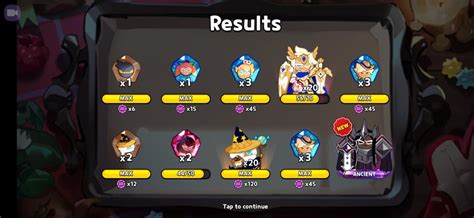
Many predatory packs offer a large quantity of low-value items (e.g., common upgrade materials) at a premium price, misleading players with the perception of a big bundle when the actual impact on gameplay is minimal.
Tiered Spending & Whale Traps
Some games encourage spending by offering progressively “better” deals at higher spending tiers, or introduce mechanics specifically designed to extract large sums from high-spending players (whales) through endless resource sinks or power creep.
Empowering Yourself: Tips for Smart Spending
Navigating the F2P gacha landscape requires awareness and discipline. Here’s how to protect yourself:
Do Your Research & Check Community Feedback
Before buying, consult online communities, forums, and content creators. They often provide breakdowns of pack values, identify good deals, and warn about manipulative practices.
Set and Stick to a Budget
Decide beforehand how much you are willing to spend on a game, if anything at all, and do not exceed that limit. Treat it like entertainment money, not an investment.
Understand Psychological Triggers
Be aware of how games try to manipulate you. Recognize FOMO, sunk cost fallacy, and the thrill of a potential big win. Consciously resist these urges.
Prioritize Enjoyment Over Optimization
Remember that games are meant to be fun. If spending becomes a source of stress, regret, or feels mandatory, it might be time to re-evaluate your relationship with the game.

Conclusion
F2P gacha games can offer immense entertainment, but their monetization models are complex. By understanding the characteristics of genuinely valuable packs versus predatory microtransactions, players can make informed decisions, spend responsibly, and ultimately enjoy their gaming experience without falling victim to manipulative tactics. Knowledge is your best defense in the ever-evolving world of digital entertainment.