How to identify F2P Gacha traps and manage spending to avoid FOMO?

The Allure and Peril of Free-to-Play Gacha Games
Free-to-Play (F2P) gacha games have become a dominant force in the mobile gaming landscape, offering compelling gameplay, rich stories, and often stunning visuals without an initial cost. However, beneath the surface of free access lies a meticulously designed monetization model – the gacha system – which, if not understood, can lead to overspending, regret, and the pervasive feeling of FOMO (Fear of Missing Out).
Understanding the Mechanics of Gacha
Gacha, derived from Japanese toy vending machines, involves spending in-game currency (often purchased with real money) for a random chance to acquire desirable items, characters, or upgrades. This variable reinforcement schedule is incredibly addictive, tapping into the human brain’s reward system. The thrill of the pull, the potential for a rare drop, and the desire to complete collections are powerful motivators that drive engagement and, crucially, spending.
Common Gacha Traps to Watch Out For
Gacha games employ various psychological tactics to encourage spending. Recognizing these traps is the first step towards managing your financial health and enjoyment:
- Limited-Time Banners & Events: This is the cornerstone of FOMO. Highly desirable characters or items are available for a brief period, creating urgency and pressure to spend before they’re gone.
- Pity Systems & Pseudo-Randomness: Many gacha games feature a ‘pity’ counter, guaranteeing a rare pull after a certain number of attempts. This creates a powerful “just one more pull” incentive, as players feel they are ‘close’ to a guaranteed reward, even if they’ve already spent more than intended.
- Progression Walls: Games often start easy but introduce difficulty spikes that make progress challenging without specific high-rarity units or significant grinding. Spending becomes a shortcut to overcome these walls.
- “Value” Packs & Bundles: Often marketed as a great deal, these bundles typically offer a small discount on premium currency or items. While they might seem like a bargain, they still represent real money being spent and can subtly normalize larger transactions.
- Sunk Cost Fallacy: The more time and money you invest into a game, the harder it becomes to quit or stop spending, as you feel an obligation to recoup your ‘investment.’
Strategies for Mindful Spending
Taking control of your spending in gacha games requires discipline and clear boundaries:
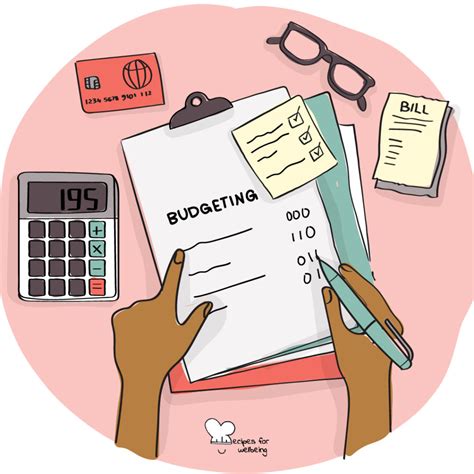
- Set a Strict Budget: Before you even download a game, decide how much you are willing to spend monthly (if anything at all). Treat this budget like any other bill and stick to it religiously. Don’t chase pulls once you hit your limit.
- Distinguish Needs vs. Wants: Evaluate if a new character or item genuinely improves your gameplay or if it’s merely a ‘nice to have.’ Prioritize game-changing units over collector’s items.
- Utilize Free Resources Wisely: F2P games often provide ample premium currency through daily logins, events, and achievements. Save these resources for the characters or items you truly desire, rather than spending them on every banner.
- Track Your Spending: Regularly check your purchase history. Many players are surprised by how much they’ve spent when confronted with the actual figures. This awareness can be a powerful deterrent.
- Avoid Direct Bank Linking: Use gift cards or a separate digital wallet with a pre-set balance for your gaming purchases. This creates an extra barrier that makes impulsive spending harder.
Conquering FOMO (Fear of Missing Out)
FOMO is perhaps the most potent psychological trap in gacha games. Here’s how to combat it:
- Accept Imperfection: It’s impossible to get every new character or item. Acknowledge that you cannot ‘collect them all’ without significant financial investment, and that’s perfectly okay.
- Focus on Fun, Not Collection: Remind yourself why you started playing the game. Was it for the story, the strategy, or to play with friends? Prioritize these aspects over the pressure to acquire every new limited unit.
- Research Future Banners: Many games have predictable release schedules or leaks from other regions. Plan your pulls for units that genuinely excite you or are essential for your team, rather than pulling on every banner.
- Engage with Communities (Cautiously): While communities can offer support, they can also amplify FOMO. Filter out discussions that pressure you into pulling and focus on shared strategies and enjoyment.
- Take Breaks: Stepping away from the game for a day or two can break the psychological cycle of urgency and allow you to reassess your priorities.

When to Walk Away
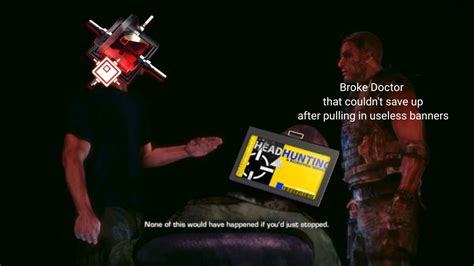
There are times when even careful management isn’t enough. If you find yourself consistently breaking your budget, feeling significant stress or guilt over spending, or if the game is no longer fun due to monetization pressures, it might be time to take a permanent break. Your real-world finances and mental well-being are far more valuable than any in-game item.
Embrace Mindful Play for Lasting Enjoyment
Gacha games can be incredibly entertaining and rewarding experiences. By understanding the underlying mechanics, identifying common traps, and implementing robust spending and FOMO-management strategies, you can enjoy these games without falling victim to their manipulative design. Play mindfully, prioritize your real-world well-being, and let the fun of the game be your primary reward, not the endless pursuit of pixels.