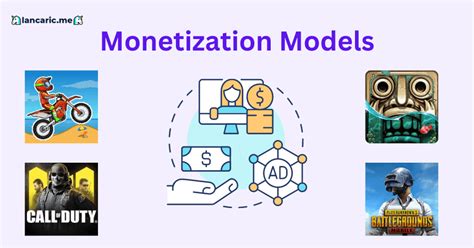
How to identify & avoid ‘pay-to-win’ mechanics in new mobile games?

The allure of new mobile games is often tempered by the pervasive presence of ‘pay-to-win’ (P2W) mechanics. These systems, designed to encourage players to spend real money for in-game advantages, can quickly sour the experience for those who prefer to rely on skill and dedication. Understanding how to spot and sidestep these predatory tactics is crucial for any mobile gamer looking for a fair and enjoyable experience.
What is ‘Pay-to-Win’?
‘Pay-to-win’ refers to games where players can gain a significant, often insurmountable, competitive advantage over others by spending real money. While most free-to-play games offer microtransactions for cosmetic items or convenience, P2W mechanics directly impact gameplay progression, power, or competitive standing. This creates an uneven playing field, making it difficult for free players to keep up.

Key Indicators of Pay-to-Win Mechanics
1. Direct Power Upgrades for Purchase
One of the most overt signs of P2W is the ability to directly buy items, upgrades, or characters that significantly boost a player’s power, damage, defense, or resource generation. If a game’s store prominently features “legendary weapons” or “ultimate heroes” available only for premium currency (which in turn costs real money), be wary.
2. Time-Gating and Energy Systems
Many mobile games impose artificial limits on gameplay, such as energy systems that deplete after a few matches or long timers for building upgrades or crafting. While these can be features of a balanced game, they become P2W when the primary (or only efficient) way to bypass these limits is to spend money. If you constantly hit roadblocks unless you pay, it’s a red flag.

3. Loot Boxes and Gacha Systems for Essential Items
Gacha mechanics and loot boxes, where players spend money for a chance to win random items, are common. However, they become P2W when the most powerful or necessary items for progression or competitive play are locked behind these randomized purchases. If success hinges on winning the “gacha lottery,” the game is likely P2W.
4. Resource Scarcity and “Packs”
If you find yourself constantly running out of essential in-game resources (gold, crafting materials, experience points) and the game store offers various “resource packs” for real money, it’s a strong indicator. These games often intentionally design a scarcity economy to push players towards spending.
Strategies to Avoid P2W Traps
1. Research Before You Download
Before investing time, check reviews on app stores, gaming websites, and forums like Reddit. Player communities are often vocal about P2W practices. Look for terms like “greedy,” “cash grab,” “p2w,” or complaints about content being pay-walled.
2. Play for Free First – Be Patient
Give the game a solid try without spending any money. Many P2W games hide their true nature in the early stages, offering generous rewards to hook you. The P2W elements often become apparent as you reach mid to late-game. If you find yourself enjoying the core gameplay loop and can progress reasonably without spending, it might not be overtly P2W.
3. Set Personal Spending Limits
If you do decide to spend, treat mobile game purchases like any other entertainment budget. Set a strict limit and stick to it. Prioritize cosmetic purchases or battle passes that offer guaranteed value over random loot boxes or direct power buys.
4. Focus on Skill-Based or Cosmetic-Only Games
Many excellent mobile games prioritize player skill, strategy, or offer only cosmetic microtransactions. Seek out these titles, particularly those from reputable developers known for fair monetization practices. Games with a strong esports scene on mobile also tend to be less P2W, as competitive integrity is paramount.

Conclusion
Navigating the mobile game landscape requires a discerning eye, especially with the prevalence of ‘pay-to-win’ mechanics. By recognizing the tell-tale signs like purchasable power, time-gating, essential loot boxes, and resource scarcity, you can make informed decisions. Prioritize research, patience, and mindful spending to ensure your gaming experience remains fun, fair, and free from the frustration of forced monetization.