How to identify and avoid predatory monetization in free-to-play mobile games?

Understanding Predatory Monetization in F2P Mobile Games
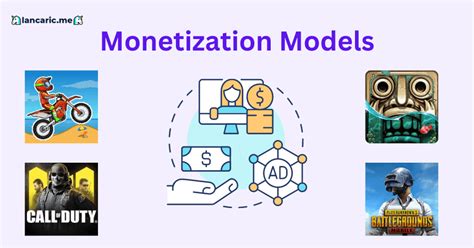
Free-to-play (F2P) mobile games have revolutionized the gaming industry, offering instant access to entertainment without an upfront cost. However, this model often relies on in-app purchases (IAPs) to generate revenue. While many F2P games implement fair and optional monetization, some employ predatory tactics designed to exploit player psychology, encouraging excessive spending and creating frustrating experiences. Recognizing these strategies is crucial for maintaining a healthy gaming habit and protecting your finances.

What Constitutes Predatory Monetization?
Predatory monetization in mobile games refers to design choices and business practices that prioritize profit over player well-being. These tactics often exploit cognitive biases, addiction potential, and impulse control, pushing players towards unwanted or excessive spending. Unlike fair monetization, which offers optional content or convenience for a reasonable price, predatory models often gate essential progress, create artificial scarcity, or leverage deceptive design to coerce purchases.
Common Predatory Tactics
Several common strategies are employed by games with predatory monetization:
- Gacha Mechanics and Loot Boxes: These systems involve purchasing virtual ‘boxes’ or ‘pulls’ that contain random items of varying rarity. They are often compared to gambling due to their reliance on chance and the “addiction loop” they can create, enticing players to spend more in pursuit of rare or powerful items.
- Pay-to-Win (P2W): Games with P2W mechanics allow players to gain a significant competitive advantage by spending real money. This can manifest through exclusive powerful characters, gear, or stat boosts that are difficult or impossible to acquire through gameplay alone, creating an unfair playing field.

- Energy Systems and Timers: Many F2P games limit how much you can play or progress by implementing ‘energy’ or ‘stamina’ systems that deplete with gameplay and recharge over time. Players can bypass these waiting periods by spending premium currency, effectively paying to continue playing.
- Artificial Scarcity and Limited-Time Offers (LTOs): Creating a false sense of urgency or rarity through limited-time bundles, daily deals, or rotating premium items can pressure players into impulse purchases, fearing they might miss out on a ‘good deal’ or exclusive content.
- Psychological Nudging and Dark Patterns: These are deceptive UI/UX designs that subtly manipulate players into making purchases. Examples include intentionally confusing menus, prominently displayed premium offers, small and difficult-to-find ‘no thanks’ buttons, or “fake sales” that inflate prices before applying a discount.
How to Identify Predatory Monetization
Being an informed player is your best defense. Here’s how to spot the red flags:
- Research Reviews: Before downloading, check app store reviews, dedicated gaming forums (like Reddit’s r/gachagaming or r/mobilegaming), and YouTube channels that review mobile games. Players are often quick to highlight unfair monetization practices.
- Monitor Early Gameplay: Pay attention to how the game introduces its currency and offers. Are you constantly being pushed to buy things? Does progress slow down dramatically unless you spend? Are there numerous pop-ups for sales?
- Evaluate Necessity of Purchases: Can you genuinely enjoy and progress through the game without spending money? If core mechanics or essential content are heavily gated behind a paywall, it’s a strong indicator of predatory design.

Strategies to Avoid Predatory Monetization
Protecting yourself from these tactics requires proactive steps:
- Set Strict Spending Limits: Decide beforehand how much, if anything, you are willing to spend on a game, and stick to it. Many app stores offer parental controls or spending limits that can help.
- Disable In-App Purchases: For maximum protection, especially if you have children using your device, disable in-app purchases entirely in your device’s settings.
- Prioritize Value Over Convenience: Before making any purchase, ask yourself if the item genuinely enhances your long-term enjoyment or if it’s just bypassing a short wait. Often, patience is free.
- Seek Out Premium Games: Consider purchasing paid mobile games (often referred to as ‘premium’ titles). These usually offer a complete experience for a one-time fee, free from IAP pressures.
- Engage with Communities: Join game-specific communities. Experienced players can offer advice on which IAPs are truly valuable (if any) and which are traps.
Conclusion
While free-to-play mobile games can provide endless hours of fun, it’s essential to approach them with a critical eye. By understanding the common predatory monetization tactics and implementing smart playing habits, you can enjoy the best of mobile gaming without falling victim to unfair spending practices. Be informed, be vigilant, and prioritize your enjoyment and financial well-being over fleeting in-game advantages.