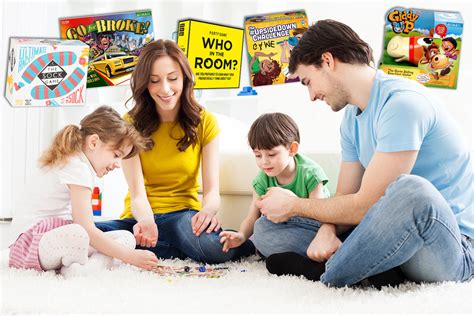
How to get non-gamers into cozy family games for fun together?

Understanding the Non-Gamer Mindset
Bringing new people into a hobby can be challenging, especially when those individuals have preconceived notions or past negative experiences. Many non-gamers might associate ‘gaming’ with complex rules, intense competition, long playtimes, or even a solitary activity. When it comes to family game night, the goal isn’t just to play a game, but to create shared enjoyment and connection. Understanding these potential barriers is the first step toward successfully introducing them to the world of cozy family games.
The key is to shift their perspective by highlighting the social, low-pressure, and often collaborative nature of modern board games, particularly those designed for families. It’s about demonstrating that gaming can be an accessible, joyful group activity rather than a daunting challenge.

Why Cozy Games Are the Perfect Entry Point
Cozy games stand apart from their more complex or competitive counterparts. They are specifically designed for comfort, ease, and positive interaction. Here’s why they’re ideal for onboarding non-gamers:
- Simple Rules: Most cozy games feature straightforward mechanics that can be explained in minutes, not hours. This minimizes the learning curve and allows players to jump right into the fun.
- Low Pressure & Conflict: The emphasis is on cooperation, shared goals, or gentle competition. There’s less focus on ‘winning’ and more on the experience, reducing anxiety for new players.
- Engaging Themes: Often featuring charming artwork and relatable themes (e.g., farming, animal care, city building, storytelling), these games are visually appealing and less intimidating than abstract strategies.
- Short Playtime: Many cozy games can be played in 30-60 minutes, perfect for keeping attention spans engaged without feeling like a huge time commitment.

Selecting the Ideal First Game
Choosing the right game is paramount to a successful introduction. Consider these factors:
Start Simple and Short
Begin with games that have minimal setup, few components, and quick turns. Examples include Ticket to Ride: First Journey, Sushi Go!, Codenames: Duet (for slightly older families), or even classic card games like Uno. The goal is to get them playing and having fun, not bogged down by rulebooks.
Consider Their Interests
Does your family member love gardening? Try Patchwork. Are they into animals? Cascadia or Wingspan (a bit heavier, but very thematic) might appeal. Matching the game’s theme to their existing hobbies or interests can make it instantly more engaging.
Prioritize Cooperative Games
Cooperative games are excellent for non-gamers because everyone works together towards a common goal. This eliminates direct competition and fosters teamwork, making it less intimidating. Games like Pandemic: Hot Zone, Forbidden Island, or Mice and Mystics (a story-driven adventure) can create a wonderfully shared experience.

Creating an Inviting Atmosphere
Beyond the game itself, the environment plays a huge role in setting the mood. Make it an event:
- Comfort is Key: Choose a comfortable playing space, whether it’s the dining table or a cozy corner in the living room.
- Snacks and Drinks: Offer favorite snacks and beverages to enhance the relaxed vibe.
- Background Music: Gentle, non-distracting background music can help set a pleasant tone.
- No Pressure: Emphasize that the goal is fun and spending time together, not winning or perfect play. Let them know it’s okay to ask questions, make mistakes, and just enjoy the process.
The First Playthrough: Patience and Positivity
This is where your role as a friendly guide becomes crucial:
- Teach as You Go: Instead of reading the entire rulebook upfront, explain the core mechanics and then introduce new rules as they become relevant during play. A hands-on approach is often more effective.
- Be Patient: Non-gamers may take longer to grasp concepts or make decisions. Offer gentle guidance but avoid taking over their turn.
- Celebrate Small Wins: Point out good moves or strategic thinking, even if they don’t lead to a win. Focus on their contributions and enjoyment.
- Don’t Over-Optimize: As the experienced gamer, resist the urge to play perfectly or tell others what to do constantly. Let them discover and make their own choices, even if they aren’t optimal.
- Keep it Light: If the game isn’t clicking, don’t force it. Suggest pausing or trying something else another time. The goal is positive association, not completion at all costs.

Building a Family Gaming Tradition
If the first experience is positive, you’ve laid a great foundation. Here’s how to build on that:
- Listen to Feedback: Ask what they liked or disliked about the game. This helps you choose future games more effectively.
- Gradual Introduction: Don’t jump from a super simple game to a complex strategy game immediately. Gradually introduce slightly more involved games that build on mechanics they already enjoyed.
- Make it a Habit: Suggest regular game nights, even if they are short. Consistency helps normalize the activity and makes it a cherished family tradition.
- Explore Varied Experiences: Once they’re comfortable, introduce different types of cozy games – perhaps a dexterity game, a light deduction game, or a simple legacy game that unfolds over several sessions.

Conclusion: More Than Just a Game
Ultimately, getting non-gamers into cozy family games isn’t about transforming them into hardcore hobbyists; it’s about opening a new avenue for shared laughter, friendly competition (or cooperation!), and quality time together. By choosing the right games, setting a welcoming scene, and approaching the experience with patience and positivity, you can cultivate a beautiful tradition that strengthens family bonds and creates lasting memories. It’s about the connection, not just the cards or dice.