How to free up Switch storage for more indie games & AAA titles?
Why Switch Storage is a Constant Battle for Gamers
The Nintendo Switch, beloved for its portability and incredible game library, often faces one common adversary: limited storage. Whether you’re a fan of bite-sized indie adventures or expansive AAA epics, you’ve likely encountered the dreaded ‘Not enough space’ error. With many games now being digital-only or requiring large downloads even for physical cartridges, managing your Switch’s memory is crucial to keep your gaming journey uninterrupted.
Thankfully, there are several straightforward methods to reclaim that vital space. Let’s dive into how you can make room for more of the games you love.
How to Check Your Current Storage Situation
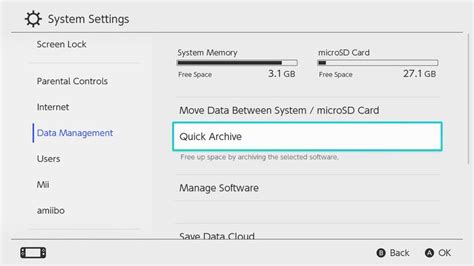
Before you start deleting or archiving indiscriminately, it’s wise to assess what’s currently hogging your storage. The Switch makes this process quite simple:
- From the HOME Menu, select System Settings.
- Scroll down the left-hand menu and select Data Management.
- Here, you’ll see a breakdown of your System Memory (internal storage) and any inserted microSD Card, along with how much space is used by software, save data, and screenshots/videos.
Under ‘Manage Software’, you can see a list of all your installed games, sorted by size, giving you a clear picture of the biggest culprits.
Archive Software: The Go-To Solution for Game Data
Archiving is your best friend when you want to free up space without losing your precious save files. When you archive a game, the game’s core data is removed from your system, but the icon remains on your HOME Menu and, crucially, your save data is preserved. You can redownload the game at any time from the eShop or your user page if you own it digitally.
How to Archive a Game:
- From the HOME Menu, highlight the game you wish to archive.
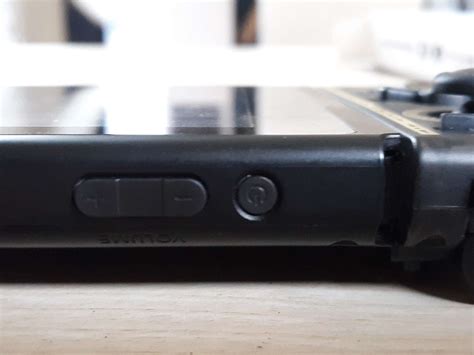
- Press the + or – button on your Joy-Con.
- Select Data Management, then choose Archive Software.
- Confirm your choice by selecting Archive.
This is ideal for games you’ve completed, rarely play, or only want to keep the save file for.
Delete Software: When You Need a Clean Slate
Deleting software is more drastic than archiving because it removes both the game data and its save data from your system. Only use this option if you are absolutely certain you no longer need the save data for a particular game (e.g., you’re completely done with it and won’t play it again, or its save data is safely backed up to the cloud via Nintendo Switch Online).
How to Delete a Game:
- From the HOME Menu, highlight the game you wish to delete.
- Press the + or – button.
- Select Data Management, then choose Delete Software.
- Confirm your choice by selecting Delete.
You can also access this option via System Settings > Data Management > Manage Software.

Managing Save Data
While game data takes up the most space, save data can accumulate over time, especially for games with extensive playtimes. Typically, save data is small, but if you’re extremely tight on space or have a specific reason, you can manage it:
- From the HOME Menu, select System Settings.
- Scroll down and select Data Management.
- Select Delete Save Data.
- Choose the game whose save data you wish to delete and confirm.
Warning: Deleting save data is irreversible and cannot be recovered unless you have a backup (e.g., from Nintendo Switch Online cloud saves). Use this option with extreme caution.

Clearing System Cache
Over time, your Switch accumulates temporary data in its system cache. Clearing this cache won’t affect your game data or save data, but it can sometimes resolve minor system issues and free up a tiny amount of space. It’s not a major storage-saver, but it’s good practice.
How to Clear Cache:
- From the HOME Menu, select System Settings.
- Scroll down the left-hand menu and select System.
- Scroll down the right-hand options and select Formatting Options.
- Select Clear Cache, then choose the user for whom you want to clear the cache.
- Confirm your choice.

The Ultimate Solution: Upgrade Your microSD Card
If you find yourself constantly juggling storage, the most effective and long-term solution is to upgrade your microSD card. The Switch supports microSD, microSDHC, and microSDXC cards up to a whopping 2TB (though 1TB is currently the largest commercially available). This significantly expands your storage capacity, allowing you to download dozens of games without worry.
Choosing a microSD Card:
- Capacity: For avid gamers, 128GB, 256GB, or even 512GB are popular choices. AAA titles can easily consume 10-20GB or more each.
- Speed: Look for cards with a high read/write speed (e.g., ‘UHS-I’ compatible with a ‘Class 10’ or ‘U3’ speed rating) for faster game loading and download times.
Transferring Data to a New microSD Card:
- Power off your Switch completely.
- Remove the old microSD card and insert it into a computer (you may need an adapter).
- Create a new folder on your computer’s desktop.
- Copy all data from the old microSD card to this new folder.
- Safely eject the old card, then insert your new, larger microSD card into the computer.
- Copy all the data from the folder on your desktop to the new microSD card.
- Safely eject the new card and insert it into your Switch.
- Power on your Switch, and all your games should appear as before, but with much more space available!

Conclusion: Keep Gaming, Keep Managing
Running out of storage on your Nintendo Switch doesn’t have to be a recurring nightmare. By regularly checking your data, utilizing the archiving function for finished games, and considering a microSD card upgrade, you can ensure there’s always room for that next must-play indie sensation or blockbuster AAA release. Happy gaming!