How to free up Nintendo Switch storage without losing game save data?

Running out of storage on your Nintendo Switch is a common dilemma for many gamers. As you download more digital titles, updates, and capture countless screenshots or video clips, the console’s internal memory quickly fills up. The good news is that you can significantly free up space without sacrificing your hard-earned game save data, which is often stored separately.
Understanding Nintendo Switch Storage
Before diving into storage management, it’s crucial to understand how the Nintendo Switch handles different types of data:
- Game Save Data: This is your personal progress within a game. Crucially, game save data is almost always stored directly on the console’s internal memory and is *not* deleted when you archive or delete a game’s software data. For Nintendo Switch Online subscribers, save data cloud backup is also available, providing an extra layer of security.
- Software Data: This includes the actual game files for digital downloads, game updates, and downloadable content (DLC). For physical game cartridges, this would primarily refer to updates and DLC. This is typically the largest consumer of your storage space.
- Screenshots and Videos: These are media files you capture during gameplay.
- Other Data: System data, user profiles, etc.

Method 1: Archiving Software (Most Common)
Archiving software is the most straightforward and safest way to free up space from downloaded games without losing your progress. When you archive software, the game’s main data is deleted, but its save data remains intact on your console.
How to Archive Software:
- From the HOME Menu, select the game you wish to archive.
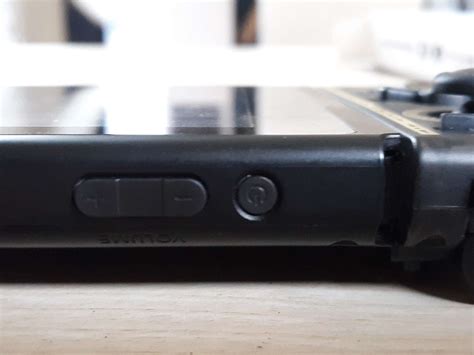
- Press the ‘+’ or ‘-‘ button on your Joy-Con.
- Select “Manage Software” from the left-hand menu.
- Choose “Archive Software.”
- Confirm your decision when prompted.
The game’s icon will remain on your HOME Menu, indicating it has been archived. You can re-download it anytime from the eShop or by selecting its icon, provided you have an internet connection.
Method 2: Deleting Software
While similar to archiving, deleting software completely removes the game data and its icon from your HOME Menu. Like archiving, this method *does not* delete your game save data.
When to Use “Delete Software”:
- If you want to completely remove a game’s presence from your HOME Menu.
- If you’re troubleshooting a specific game and want to perform a clean re-installation.
How to Delete Software:
- From the HOME Menu, select the game you wish to delete.
- Press the ‘+’ or ‘-‘ button.
- Select “Manage Software.”
- Choose “Delete Software.”
- Confirm your decision.
Method 3: Managing Screenshots and Videos
Screenshots and especially video clips can consume a surprising amount of storage, particularly if you’re an avid capture enthusiast. Deleting these is completely safe and won’t affect your game saves.
How to Delete Media:
- From the HOME Menu, select the “Album” icon.
- Navigate through your screenshots and videos.
- To delete individually: Select a capture, then press ‘A’ to open options, and choose “Delete.”
- To delete multiple: Press ‘Y’ to enter editing mode, select the captures you want to remove, then press ‘A’ and confirm deletion.
Consider transferring your favorite captures to a microSD card, a smart device via QR code, or a computer to keep them without clogging your Switch’s internal memory.

Method 4: Using a microSD Card for Expanded Storage
The most effective long-term solution for storage woes is to install a high-capacity microSD card. All newly downloaded games, updates, and DLC will automatically save to the microSD card once inserted, freeing up your console’s internal memory for critical system data and game saves.
Benefits of a microSD Card:
- Vastly increases available storage.
- Allows you to keep more games installed simultaneously.
- Easy to install and manage.
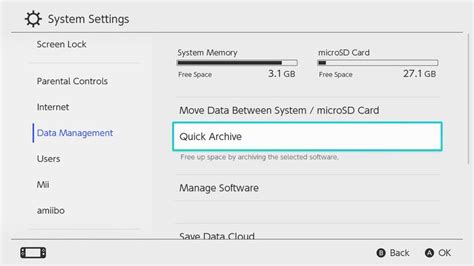
You can also transfer existing downloaded software data from your console’s internal memory to the microSD card (but not save data directly). This option is usually found within System Settings > Data Management.

Method 5: Check for Corrupted Data and Unnecessary Downloads
Occasionally, corrupted data or incomplete downloads can take up space. While rare, it’s worth checking.
How to Check for Corrupted Data:
- Go to System Settings > Data Management > Manage Software.
- Look for any software entries that might appear unusual or have an error symbol.
- You can also run a “Check for Corrupt Data” from the game’s Options menu (press ‘+’ or ‘-‘ on the game icon).
Ensure you regularly delete old game demos you no longer play or any software updates for games you’ve since deleted. Sometimes these remnants can linger.
Conclusion
Freeing up storage on your Nintendo Switch doesn’t have to mean sacrificing your beloved game progress. By understanding the distinction between game save data and software data, and utilizing methods like archiving, media management, and especially investing in a microSD card, you can ensure your console has ample space for new adventures while keeping your gaming history perfectly safe.