How to free up Nintendo Switch storage for new game downloads?

Running out of space on your Nintendo Switch is a common problem for digital game enthusiasts. With ever-growing game sizes and a fixed internal storage (32GB or 64GB depending on the model), you’ll inevitably hit a wall when trying to download that exciting new title. Thankfully, there are several straightforward methods to free up valuable gigabytes and keep the gaming going.
Check Your Current Storage Situation
Before you start deleting things haphazardly, it’s wise to see exactly what’s consuming your storage. This helps you identify the biggest culprits and prioritize what to remove.
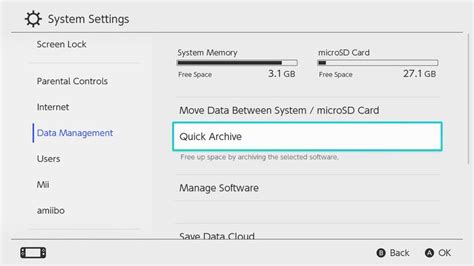
- From the HOME Menu, select System Settings.
- Scroll down and select Data Management.
- Here you can see the remaining space on your console’s system memory and any inserted microSD card. You can also view software, save data, and screenshots/videos individually.
1. Archive Unused Games (The Easiest Method)
Archiving is the quickest and safest way to free up significant space. When you archive a game, the game software data is deleted, but its icon remains on your HOME Menu and all save data is preserved. This means you can redownload the game anytime without losing your progress.
To archive a game:
- From the HOME Menu, highlight the game you wish to archive.
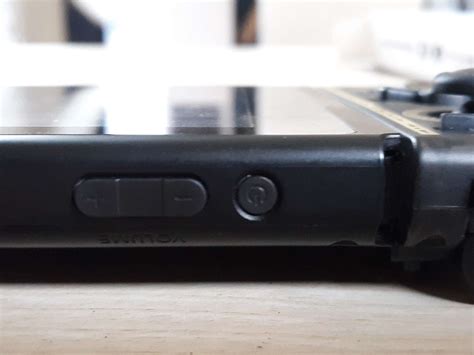
- Press the + or – button to open the Options menu.
- Select Data Management, then Archive Software.
- Confirm your choice by selecting Archive.

2. Delete Software (If You’re Sure You Won’t Play It Again)
Deleting software completely removes both the game data and its icon from your HOME Menu. While save data is generally kept separate, if you delete a game and you’re absolutely certain you’ll never play it again (and thus don’t need the save data), this is an option. However, archiving is usually preferred due to its convenience.
To delete software:
- From the HOME Menu, highlight the game you wish to delete.
- Press the + or – button to open the Options menu.
- Select Data Management, then Delete Software.
- Confirm your choice by selecting Delete.
3. Delete Screenshots and Videos
If you’re an avid screenshotter or video clipper, these files can surprisingly add up. Deleting old media files can quickly reclaim some space, though usually not as much as archiving a large game.
- From the HOME Menu, select Album.
- Navigate to the screenshots or videos you wish to delete.
- You can delete them individually or select multiple at once by pressing the Y button to filter and select.
4. Manage Save Data
Save data itself is typically very small and stored separately from game software, usually in the console’s internal memory. Deleting save data won’t free up much space, but it’s an option for games you’ve truly finished and will never revisit. Be very cautious here, as deleting save data is permanent and irreversible!
- From the HOME Menu, select System Settings.
- Scroll down and select Data Management, then Delete Save Data.
- Select the game for which you want to delete save data and confirm.
5. Invest in or Upgrade a microSD Card
This is by far the most effective long-term solution for storage woes. A microSD card dramatically expands your Switch’s capacity, allowing you to download dozens more games without worrying about internal storage. The Switch supports microSD cards up to 2TB.
- Insert a new microSD card: Simply slot a compatible microSD card into the console’s microSD card slot. The Switch will automatically use it for new game downloads.
- Move existing games: You can move most downloaded software from your console’s system memory to an inserted microSD card to free up internal space. Go to System Settings > Data Management > Move Data Between System / microSD Card.
- Upgrade your current microSD card: If you already have a microSD card but it’s full, you can upgrade to a larger one. You’ll need to transfer your data from the old card to the new one using a computer.
Tips for Preventing Future Storage Issues
- Prioritize physical cartridges: For games available physically, buying the cartridge means the main game data isn’t stored on your Switch, only smaller updates and save data.
- Regularly review your library: Make it a habit to check your data management settings every few months and archive games you haven’t played in a while.
- Buy the largest microSD card you can afford: While 128GB or 256GB is a good starting point, a 512GB or even 1TB card will give you peace of mind for years to come.
By following these steps, you can effectively manage your Nintendo Switch’s storage and ensure you always have room for new adventures!