How to find quality mobile games without aggressive monetization or pay-to-win mechanics?

The mobile gaming market is a vast ocean, brimming with potential gems but also riddled with numerous titles designed primarily to extract money rather than offer genuine entertainment. Aggressive monetization, frustrating paywalls, and blatant pay-to-win mechanics have become commonplace, making it increasingly challenging for players to find truly enjoyable experiences. This guide aims to equip you with the knowledge and strategies needed to bypass these pitfalls and discover mobile games that respect your time and wallet.
The Pervasive Problem of Predatory Monetization
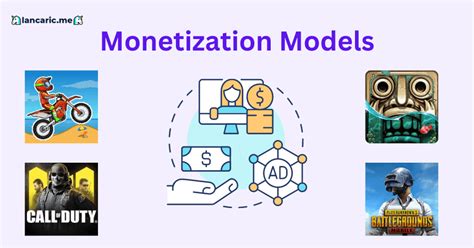
Many mobile games operate on a ‘free-to-play’ model, which, in theory, sounds appealing. However, this often translates into sophisticated systems designed to coerce spending. These can range from energy systems that limit playtime unless you pay, to loot boxes offering randomized rewards, and timers that force waits or incentivize instant purchases. The most egregious examples introduce direct advantages for paying players, creating an unfair competitive environment – the notorious pay-to-win model.
Such mechanics not only diminish the fun but can also exploit vulnerable players, fostering addictive behaviors. Recognizing these patterns is the first step toward reclaiming your mobile gaming experience.

Recognizing Red Flags: What to Avoid
Before even downloading a game, there are several warning signs to look out for:
- Exorbitant In-App Purchases (IAPs): Games listing IAPs up to hundreds of dollars often indicate a heavy reliance on monetization.
- Aggressive Pop-ups and Notifications: Constant reminders to buy bundles or play to avoid missing out on limited-time offers are a huge red flag.
- Energy Systems and Timers: If a core mechanic of the game involves waiting for timers to deplete or energy bars to refill, it’s likely designed to encourage spending to bypass these waits.
- Loot Boxes and Gacha Mechanics: While sometimes cosmetic, these often contain gameplay advantages, making progression or success dependent on luck and spending.
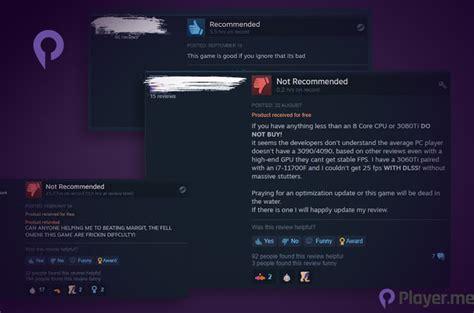
- Reviews Complaining About Paywalls: User reviews are often the most honest indicator of a game’s monetization practices.
- Competitive PvP with Power-Ups for Sale: If player-versus-player content allows you to buy stronger units, weapons, or abilities, it’s a clear pay-to-win scenario.
Strategies for Unearthing Quality Gems
Leverage Reviews and Community Insights
The app store ratings and descriptions are just the beginning. Dive deeper by reading user reviews, especially the critical ones. Check out gaming forums like Reddit (e.g., r/AndroidGaming, r/iosgaming) where communities often discuss and recommend games that are free from aggressive monetization. Watch gameplay videos on YouTube or Twitch; streamers often highlight games that offer fair play.
Gaming news sites and dedicated mobile game review sites can also be valuable resources, though always check for sponsored content disclosure.
Explore Premium and Subscription Games
The simplest way to avoid predatory monetization is to opt for games with a one-time purchase model. These games often offer a complete experience without nagging IAPs or ads. Services like Apple Arcade and Google Play Pass provide access to a curated library of high-quality, ad-free, and IAP-free games for a monthly subscription fee. This can be an excellent value for dedicated mobile gamers.
Seek Out Indie Developers and Niche Platforms
Smaller, independent developers often prioritize innovative gameplay and artistic vision over aggressive monetization. While not universally true, many indie titles offer fair pricing, either as a premium purchase or with purely cosmetic IAPs. Websites like itch.io sometimes feature mobile games, and exploring less mainstream app stores or developer blogs can lead to hidden gems.

Understanding “Free-to-Play” Done Right
Not all free-to-play games are bad. Ethical free-to-play models exist and are worth supporting. These typically monetize through:
- Cosmetic IAPs Only: Selling skins, emotes, or customization options that don’t affect gameplay.
- Optional, Rewarded Ads: Giving players the choice to watch an ad for a small bonus, rather than forcing ads upon them.
- Fair Battle Passes: Offering a paid track with cosmetic rewards and a free track that still allows for meaningful progression.
Look for games that are generous with their free content and only ask for money for non-essential items. Many popular multiplayer games like Call of Duty Mobile or Genshin Impact (despite its gacha) can be enjoyed for free for extensive periods, provided you manage your expectations and don’t chase every new item.

Embrace the “Try Before You Buy” Mentality
Many games offer demos, free trials, or simply enough initial content to get a feel for their monetization. Take advantage of these. Play for an hour or two and observe. Are you constantly being asked to buy something? Is progression stalling without spending? Does the game feel genuinely fun, or is it designed to frustrate you into paying? Your personal experience is the most reliable indicator.

Conclusion
Finding quality mobile games without aggressive monetization or pay-to-win mechanics requires a discerning eye and a proactive approach. By understanding the red flags, leveraging community insights, and exploring alternative monetization models like premium or subscription services, you can filter out the noise and discover truly rewarding experiences. The mobile gaming landscape is rich with innovation and creativity; you just need the right tools to uncover it.
Don’t settle for games that demand your money at every turn. Prioritize titles that value your enjoyment, offer fair progression, and provide genuine fun. Your patience and research will be amply rewarded with mobile games that you’ll truly love to play.