How to find quality free mobile games without intrusive ads or pay-to-win mechanics?

The Elusive Quest for Truly Free Mobile Gaming
In an app store overflowing with “free” games, finding titles that offer genuine enjoyment without constantly bombarding you with ads or pressuring you to spend money can feel like searching for a needle in a haystack. Many games use deceptive free-to-play models that quickly turn into pay-to-win (P2W) nightmares or ad-laden experiences. But fear not, quality free mobile games do exist, and with the right strategies, you can discover them.
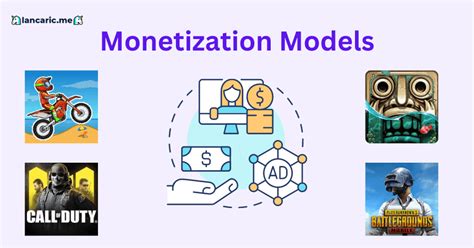
Understanding ‘Free-to-Play’ Monetization Models
Before diving into discovery, it’s crucial to understand the different ways developers monetize “free” games. Most fall into a few categories:
- Ad-Supported: Games that display advertisements during gameplay, between levels, or as optional rewards. Intrusive ads pop up frequently and disrupt the flow, while less intrusive ones are optional or minimal.
- Freemium/In-App Purchases (IAPs): Games that are free to download but offer various items, currencies, or boosts for real money. This model becomes P2W when essential progression is gated behind IAPs, or paying players gain significant, unfair advantages.
- Cosmetic IAPs: Players can buy skins, emotes, or other non-gameplay-affecting items. This is generally considered a fair monetization model as it doesn’t impact gameplay balance.
- Subscription/Battle Pass: While often involving an initial cost or recurring fee, some free-to-play games offer optional battle passes or premium subscriptions that unlock extra content or rewards without being strictly P2W.
Key Strategies for Discovering Quality Free Games
1. Scrutinize Reviews and Ratings
The app store’s rating system and user reviews are your first line of defense. Pay close attention to:
- Overall Rating: A consistently high rating (4.5+ stars) is a good sign.
- Specific Complaints: Read recent reviews for mentions of “too many ads,” “pay-to-win,” “greedy developer,” or “progress walls.” These are major red flags.
- Developer Responses: Engaged developers who respond constructively to feedback often care more about their game and community.
2. Leverage Gaming Communities and Curated Lists
Online communities are goldmines for recommendations from experienced players who share your frustrations. Subreddits like r/androidgaming and r/iosgaming frequently feature threads dedicated to games without P2W mechanics or intrusive ads. Many gaming websites and blogs also publish curated lists of truly free or premium-feeling free-to-play titles.

3. Look for Developer Reputation and Track Record
Some developers consistently produce high-quality games with fair monetization. If you find a great free game, check out other titles by the same developer. Companies like Supercell (though some IAPs exist, they are often balanced), Voodoo (many ad-heavy, but some gems), and various indie studios often have a distinct approach to monetization.
4. Explore Specific Genres and Game Types
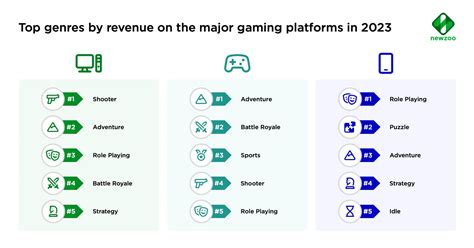
Certain genres are more prone to P2W, while others are safer bets:
- Safer: Puzzle games, card games (like Hearthstone where skill can overcome some card collection differences), some arcade-style games, single-player story experiences (when they exist for free), and well-made offline games.
- Higher Risk: Real-time strategy (RTS), competitive multiplayer games, city builders, and RPGs often heavily rely on IAPs for progression or competitive advantage.
5. Check for Offline Playability
Games that can be played entirely offline often have fewer ads or less aggressive monetization, as they aren’t constantly connected to ad servers or online stores. This isn’t a hard-and-fast rule but can be a good indicator.
Spotting and Avoiding Intrusive Ads and P2W
- Ad Frequency: If you see an ad every 30 seconds or after every single action, uninstall immediately. Reasonable ad frequency might be after every few levels or as an optional reward.
- Ad Type: Non-skippable, full-screen video ads are more intrusive than banner ads or optional rewarded video ads.
- Energy Systems: Games that limit your play sessions with an “energy” or “stamina” bar that recharges slowly or can be refilled with money are often P2W.
- Time Gates: Building upgrades, research, or crafting that takes hours or days to complete unless you pay to speed it up is a classic P2W tactic.
- Essential Item Costs: If basic upgrades, inventory space, or crucial items are prohibitively expensive to earn in-game but cheap to buy with real money, it’s a P2W setup.
Final Tips for a Better Mobile Gaming Experience
Be patient in your search, and don’t be afraid to uninstall a game if it becomes more frustrating than fun. Experiment with different titles, follow trusted reviewers, and always remember that “free” doesn’t have to mean compromising on quality or fairness. By being discerning and informed, you can unearth fantastic mobile games that truly respect your time and wallet.