How to find low-conflict, genuinely cozy family games for mixed skill levels?

Creating a Harmonious Game Night for All Ages
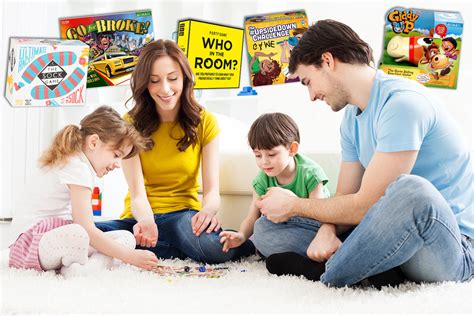
Family game night is often envisioned as a time of laughter, bonding, and shared joy. However, for many families, the reality can involve competitive tension, frustrated players, or games that are either too complex for some or too simplistic for others. The quest for games that are genuinely cozy, low-conflict, and accommodating of mixed skill levels is a common one, promising a truly inclusive and enjoyable experience for everyone involved.

Understanding ‘Cozy’ and ‘Low-Conflict’ in Games
What exactly defines a game as ‘cozy’ or ‘low-conflict’? It’s more than just a lack of direct player-versus-player combat. A genuinely cozy game often:
- Prioritizes collaboration over competition: Players work together towards a common goal.
- Features simple, elegant rules: Easy to learn, quick to teach, but still engaging.
- Minimizes direct negative interaction: No player elimination, ‘take that’ mechanics are softened, or absent.
- Encourages positive interaction: Storytelling, shared problem-solving, or creative expression.
- Evokes pleasant themes: Building, exploring, collecting, or solving mysteries rather than conquering.
- Offers variable difficulty: Ways to scale the challenge to suit different age groups or skill levels.
Key Characteristics to Look For
When you’re sifting through the vast world of board games, keep an eye out for these features:
Cooperative Games
This is often the go-to category for low-conflict play. In cooperative games, all players are on the same team, working together against the game itself. This inherently reduces interpersonal conflict and fosters a sense of shared accomplishment (or commiseration!). Examples include solving a puzzle, escaping a disaster, or collectively achieving a goal.
Games with Shared Objectives or Engine Building
Even if not fully cooperative, games where players build up their own ‘engine’ or contribute to a shared board, with limited direct interference, can feel very cozy. Think of games where you’re collecting resources, building a town, or connecting routes, where the focus is more on optimizing your own play than on attacking others.
Dexterity and Party Games (Carefully Chosen)
Some dexterity games (e.g., stacking, flicking) and certain party games (e.g., drawing, charades, imaginative association) can be fantastic for mixed skill levels because they rely on different aptitudes than traditional strategy games. The focus shifts to laughter, creativity, or physical skill, often leveling the playing field.
Legacy or Campaign Games (Lighter Versions)
For families who enjoy a persistent narrative, lighter legacy or campaign games can offer a wonderful shared experience. The story unfolds over multiple sessions, creating a collective memory and shared excitement that transcends individual wins or losses.
Practical Tips for Finding Your Next Family Favorite
- Read Reviews and Watch Playthroughs: Look for reviews that specifically mention family friendliness, low-stress gameplay, and how well it scales for different ages. Watching a quick playthrough video can give you a clear idea of the game’s flow and interaction style.
- Check Player Counts and Age Recommendations: Ensure the game comfortably accommodates your family size and that the recommended age range aligns with your youngest and oldest players. Many games will suggest a ‘sweet spot’ for player count.
- Visit Your Local Game Store: These stores are treasure troves of knowledge. Staff are usually passionate and can offer personalized recommendations based on your family’s specific needs and preferences. Many stores also have demo copies you can try.
- Consider Game Mechanisms: Focus on mechanisms like ‘set collection,’ ’tile placement,’ ‘pattern building,’ ‘deduction’ (cooperative), or ‘drafting’ (simple versions) as these often lend themselves to lower-conflict play.
- Look for Expansions: Sometimes, an expansion can add a cooperative mode or adjust rules to make a competitive game more family-friendly.

Embrace the Journey, Not Just the Win
Ultimately, finding those genuinely cozy, low-conflict games for mixed skill levels is about shifting the focus from who wins to how much fun everyone has along the way. These games become tools for connection, shared problem-solving, and creating lasting family memories, fostering an environment where everyone feels valued and engaged, regardless of their gaming prowess. With a little research and an open mind, your family game nights can become the harmonious, joyful tradition you’ve always envisioned.