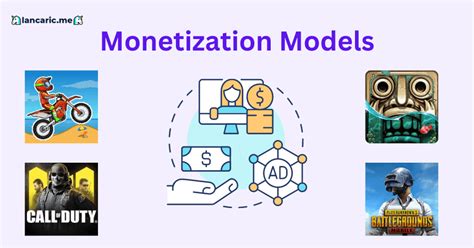
How to find high-quality, non-pay-to-win mobile games amidst the app store clutter?

The Quest for Quality: Navigating the Mobile Gaming Landscape
The mobile gaming market is a colossal beast, teeming with millions of titles vying for your attention. While many offer quick entertainment, a significant portion is designed with “pay-to-win” (P2W) mechanics, frustrating players who seek genuine skill-based challenges or narrative depth without constant financial pressure. Finding high-quality, non-P2W gems amidst this clutter requires a discerning eye and a strategic approach. This guide will equip you with the knowledge and tools to unearth those truly enjoyable mobile experiences.
Understanding the “Pay-to-Win” Trap
Before we can avoid P2W games, we need to understand what they are. A game is generally considered “pay-to-win” when real-money purchases directly provide a significant, often insurmountable, competitive advantage over players who don’t spend money. This can manifest in several ways:
- Exclusive powerful items or characters: Only available through direct purchase or loot boxes.
- Energy systems/timers: Progress is artificially throttled unless you pay to accelerate.
- Resource shortcuts: Paying to skip grinding for essential in-game currency or materials.
- Competitive advantage: Higher stats, better equipment, or faster progression directly bought.
In contrast, ethical free-to-play (F2P) games often rely on cosmetic purchases, optional quality-of-life improvements, or ads that aren’t overly intrusive. Premium games, of course, involve a one-time purchase for the full experience upfront.
Strategies for Discovering Non-P2W Titles
1. Leverage Trusted Reviews and Gaming Publications
The first line of defense against P2W traps is reliable information. Bypass the often-generic app store reviews (which can be manipulated) and instead consult reputable gaming websites, YouTube channels, and dedicated mobile gaming blogs. Sites like Pocket Gamer, TouchArcade, and even mainstream gaming outlets often feature “best of” lists or in-depth reviews that highlight monetization practices.
2. Scrutinize Developer Reputation
Some developers have a track record of producing high-quality, fair games, while others are notorious for aggressive monetization. A quick search about the developer can reveal their history and common practices. Studios like ustwo games (Monument Valley), Supercell (Clash Royale, though it has IAPs, it’s less P2W than many), or indie darlings often prioritize gameplay and player experience.
3. Look for Premium or One-Time Purchase Games
The most straightforward way to avoid P2W is to opt for premium games. These titles typically offer a complete experience for a fixed price, free from ads, energy systems, or predatory microtransactions. Many console or PC ports also fall into this category, offering deep, high-fidelity experiences on mobile.
4. Check for Offline Play Options
Games that offer robust offline play are often less reliant on constant server connections and therefore less likely to push real-money purchases that depend on online interactions or leaderboards. This isn’t a hard rule, but it can be a good indicator of a game designed for pure enjoyment rather than constant monetization hooks.

Red Flags and Green Lights: What to Look For
Red Flags:
- Aggressive Pop-ups: Constant offers, sales, or “limited-time deals” that appear frequently.
- Energy Systems: A timer that limits how much you can play unless you pay.
- Loot Boxes/Gachas: Random chance mechanics for obtaining powerful items or characters, often expensive.
- “Buy to Remove Ads”: While sometimes acceptable, if ads are overly intrusive, it’s a sign of prioritizing monetization over player experience.
- High Review Scores from Launch: Can indicate purchased reviews; look for consistent, detailed reviews over time.
Green Lights:
- Cosmetic-Only Purchases: Monetization is purely for aesthetic customization.
- Optional Ads: Ads that are voluntary, offering small rewards for watching.
- Clear Monetization Model: The developer is transparent about how they make money.
- Active Community Feedback: Developers listen to players and adapt.
- Offline Mode / Single Player Focus: Indicates a game designed for intrinsic enjoyment.

Beyond the Main App Stores: Niche Communities and Platforms
Don’t limit your search to just the top charts of Google Play or the App Store. Explore:
- Indie Game Showcases: Websites or apps dedicated to highlighting independent mobile games often feature unique, quality titles.
- Gaming Subreddits: Communities like r/AndroidGaming or r/iOSGaming frequently discuss new releases, hidden gems, and curate lists of non-P2W games.
- Specific Genres: If you love puzzles, strategy, or narrative games, seek out dedicated forums or blogs for those genres; they often filter out the P2W noise.
- Subscription Services: Google Play Pass and Apple Arcade offer a curated selection of premium games for a monthly fee, entirely free of P2W mechanics and ads. This is arguably the easiest way to guarantee a high-quality, ethical gaming experience.
Conclusion: Play Smart, Not Hard
Finding high-quality, non-pay-to-win mobile games requires a bit of detective work, but the effort is well worth it. By understanding monetization models, leveraging trusted resources, and recognizing the signs of predatory practices, you can curate a mobile gaming library filled with genuinely rewarding experiences. Embrace the hunt for quality, and reclaim your mobile gaming enjoyment from the clutches of endless microtransactions.