How to find high-quality F2P mobile games without predatory monetization?

The Quest for Fair F2P Fun
The mobile gaming landscape is a vast ocean, teeming with titles vying for your attention. While the “free-to-play” (F2P) model has democratized access to games, it has also given rise to a murky underworld of predatory monetization tactics designed to extract maximum cash from players, often at the expense of genuine fun and fairness. But despair not, discerning gamer! It is entirely possible to find genuinely high-quality F2P mobile games that respect your time and wallet.

Understanding Predatory Monetization: The Red Flags
Before we dive into finding the good, let’s identify the bad. Recognizing the hallmarks of predatory monetization is your first line of defense:
- Aggressive Pop-ups and Forced Ads: Ads that interrupt gameplay constantly, cannot be skipped, or pop up immediately after every action are a major red flag.
- Pay-to-Win (P2W) Mechanics: Games where progress is severely gated unless you spend money, or where top-tier competitive advantages are exclusively tied to purchases, are inherently unfair.
- Gambling-like Loot Boxes/Gachas: While some gacha elements are common, systems that heavily rely on blind luck for essential progress or character acquisition, especially with low odds and high prices, can be exploitative.
- Energy Systems/Timers: These limit your playtime unless you pay to refresh, turning a fun session into a frustrating wait.
- “False Scarcity” and “Fear of Missing Out” (FOMO): Limited-time offers for overpowered items or exclusive content that pressure players into impulsive buys.
- Overpriced Cosmetics with No Gameplay Value: While cosmetic purchases are fine, when they become excessively expensive for what they are, it points to a greedy monetization strategy.
Indicators of a High-Quality, Fair F2P Game
Once you know what to avoid, focus on what to seek. Quality F2P games often share these characteristics:
- Optional, Value-Driven Purchases: Purchases should enhance the experience, offer convenience, or provide purely cosmetic customization without being essential for progression or competitive balance. Think Battle Passes that reward consistent play, or cosmetic skins.
- Generous Free Progression: Players should be able to make meaningful progress and enjoy the core game loops without spending a dime. Grinding should feel rewarding, not punishing.
- Respect for Player Time: The game doesn’t artificially gate progress with excessive timers or energy systems that demand constant payment.
- Developer Transparency and Communication: Good developers are open about their monetization strategies, actively engage with their community, and prioritize player feedback.
- Positive Community Sentiment: A thriving, happy player base is often a sign of a fair game.
Where to Look for Recommendations
Finding these gems requires knowing where to dig:
1. Reputable Review Sites and Content Creators:
- Seek out established mobile game journalists and YouTubers who are known for their critical analysis of monetization. They often highlight games that offer good value for free.
- Websites like Pocket Gamer, TouchArcade, and specific subreddits (e.g., r/AndroidGaming, r/iosgaming, r/gachagaming for specific discussion) are great resources.
2. Developer Track Record:
- Research the developer. Do they have a history of creating fair F2P games? Or are they notorious for aggressive monetization?
3. App Store Descriptions and Reviews (with Caution):
- Read the “In-App Purchases” section carefully. High prices for “Loot Boxes” or “Gems” often indicate a P2W or gacha heavy system.
- Filter reviews by “Most Critical” or look for common complaints about monetization. Be wary of generic five-star reviews, which can sometimes be botted.
Tips for Evaluating a Game Before Diving In
Even with recommendations, it’s wise to do a quick self-assessment:
- Play for a Few Hours: Spend some initial time (2-5 hours) without making any purchases. This will quickly reveal if you hit a “paywall” or if progress becomes excruciatingly slow.
- Check the Shop: Browse the in-game store early on. What are they selling? How much does it cost? Are “starter packs” overwhelmingly powerful compared to what you can earn freely?
- Read Community Forums/Reddit: Search for the game’s community and look for discussions about monetization. Are players complaining about grind, P2W, or aggressive tactics?
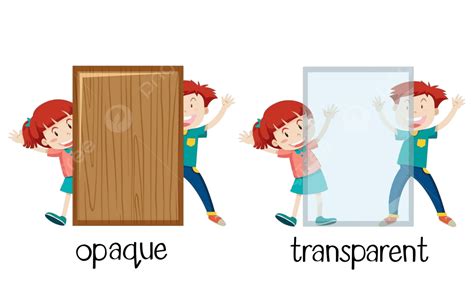
- Look for Clear Monetization Disclosure: Games that transparently explain their monetization model (e.g., “This game includes optional cosmetic purchases only”) are generally more trustworthy.
The Future of Fair F2P
The landscape is slowly shifting as players become more educated and demanding. Developers who prioritize player experience over short-term financial gains often find long-term success through sustained engagement and a loyal player base. By being an informed consumer, you not only find better games for yourself but also contribute to a healthier mobile gaming ecosystem, encouraging developers to move away from exploitative practices.