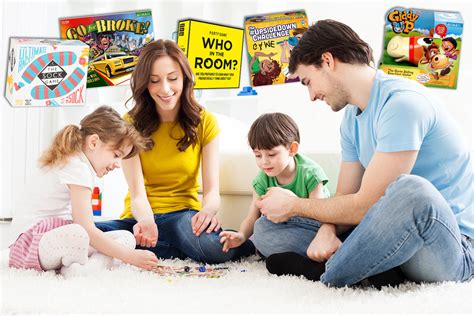
How to find genuinely cozy, family-friendly games for diverse age groups?
The Quest for Universal Family Fun
Finding a game that genuinely delights every member of a multi-generational family can feel like searching for a unicorn. Different ages come with different attention spans, skill levels, and interests. The key to success often lies in identifying “cozy” games – those that prioritize comfort, collaboration, and shared enjoyment over intense competition or complex mechanics. This guide will help you navigate the vast world of games to unearth those perfect gems that bring everyone together.
What Makes a Game “Cozy” and Family-Friendly?
A truly cozy game isn’t just about the theme; it’s about the feeling it evokes. These games typically feature:
- Low Stakes: The focus is on the experience, not on winning or losing big.
- Collaborative or Gentle Competitive Play: Many cozy games encourage teamwork or have competition so mild that it rarely leads to arguments.
- Accessible Rules: Easy to learn, quick to teach, and with depth that unfolds naturally.
- Charming Aesthetics: Often visually appealing with inviting art styles and soothing music (for video games).
- Positive Interactions: Designed to foster communication, creativity, and shared laughter.

Understanding Diverse Age Groups in Your Family
The first step is to honestly assess the age range and developmental stages of your family members. A game for a 4-year-old won’t always engage a 14-year-old, and vice-versa. However, there are bridges:
- Young Children (3-6): Look for simple mechanics, bright colors, tactile components, and short playtimes. Games focusing on memory, matching, or very basic movement are ideal.
- School-Aged Kids (7-12): They can handle more complex rules, strategic thinking, and longer sessions. Cooperative games or those with a clear goal are often hits.
- Teenagers & Adults (13+): While they can enjoy sophisticated games, for family play, look for titles that are easy to pick up, offer interesting choices, and don’t feel too childish. Humor, clever design, and social deduction can be appealing.
Key Factors for Universal Appeal
When scouting for new games, keep these points in mind:
Accessibility and Simplicity
Can everyone understand the core rules within 10-15 minutes? Complexity isn’t always a barrier if the game scales well, but simple core mechanics with emergent depth are often best for mixed groups.
Engagement and Replayability
Does the game offer enough variety or interesting decisions to keep everyone coming back? Variable setup, different character abilities, or evolving scenarios contribute to longevity.
Cooperation vs. Competition
Cooperative games are often the safest bet for family harmony, as everyone works together towards a common goal. If competition is desired, ensure it’s light-hearted and doesn’t create resentment. “Take that” mechanics (where players directly harm opponents) are often best avoided for very sensitive players.
Theme and Aesthetics
An inviting theme (e.g., farming, exploring, crafting, animal care) can draw players in. Beautiful art and high-quality components enhance the cozy feeling.

Genres and Specific Game Examples to Explore
Board Games & Card Games:
- Collaborative Storytelling: Games like Dixit or Mysterium encourage creative interpretation and teamwork without complex rules.
- Resource Management/Worker Placement (Simplified): Ticket to Ride (collecting trains), Catan Family Edition (simplified Catan), or even lighter options like Sushi Go! (card drafting) offer gentle strategy.
- Dexterity Games: Rhino Hero or Jenga can be fun for all ages, focusing on physical skill and often leading to hilarious collapses.
- Hidden Role/Social Deduction (Family Editions): Games like The Mind or simpler versions of Werewolf can be engaging with the right group dynamic.
Video Games:
- Life Simulation/Creative Sandbox: Animal Crossing: New Horizons, Stardew Valley, and Minecraft offer endless hours of calm, creative play. They can be enjoyed solo or cooperatively.
- Party/Kart Racers: Mario Kart 8 Deluxe or Mario Party Superstars provide accessible, fun competition with various assist modes to help younger players.
- Puzzle/Platformers: Titles like Pikmin 3 Deluxe or cooperative platformers can offer gentle challenges.

Tips for Successful Game Selection and Play
- Involve Everyone: Let family members browse options and vote on potential new games. This investment makes them more likely to enjoy the chosen title.
- Read Reviews & Watch Gameplay: Before buying, look for reviews that specifically mention family play or diverse age groups. Watching a quick gameplay video can give you a better feel than just reading the box.
- Start Simple: Don’t introduce overly complex games right away. Build up confidence and interest with simpler, quicker games first.
- Focus on Fun, Not Winning: Remind everyone that the goal is shared enjoyment, not individual victory. Encourage good sportsmanship and lighthearted banter.

Creating the Perfect Cozy Gaming Atmosphere
The game itself is only part of the equation. Enhance the cozy vibe by:
- Setting the Scene: Dim the lights, put on some soft background music (if it doesn’t interfere with the game), and make sure there are plenty of blankets and comfy pillows.
- Snack Central: A spread of favorite snacks and drinks always enhances a game night.
- Flexibility is Key: Be prepared to adapt rules slightly for younger players or shorten play sessions if attention wanes. The goal is positive interaction.

Embrace the Joy of Shared Play
Finding truly cozy, family-friendly games for diverse age groups is about more than just the mechanics; it’s about creating opportunities for connection, laughter, and lasting memories. By understanding what makes a game “cozy” and considering your family’s unique dynamics, you can unlock a world of shared entertainment that everyone will cherish.