How to find F2P mobile games with fair progression and avoid pay-to-win traps?

Navigating the F2P Landscape for a Fair Gaming Experience
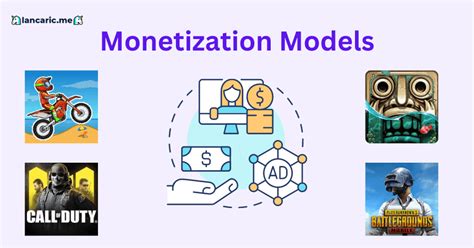
Free-to-play (F2P) mobile games have democratized gaming, offering endless entertainment without an upfront cost. However, this model often comes with a caveat: the omnipresent ‘pay-to-win’ (P2W) trap. For many players, the allure of a free game quickly fades when progression becomes a struggle against opponents who have simply paid their way to power. The good news is that not all F2P games are created equal; many offer genuinely fair progression where skill and time triumph over wallet size. The key lies in knowing what to look for and what to avoid.
Understanding the Pay-to-Win Spectrum
Before you can avoid P2W, you need to recognize its various forms. P2W isn’t just about direct power purchases; it can manifest in subtle ways:
- Direct Power: Buying superior gear, characters, or stat boosts that are inaccessible or extremely difficult for F2P players.
- Time Gates: Significantly accelerating timers for building, crafting, or energy regeneration, making F2P progress agonizingly slow.
- Resource Scarcity: Creating an artificial shortage of crucial in-game resources that can only be easily overcome by spending real money.
- Gacha/Loot Box Advantage: Systems where paid draws offer a significantly higher chance of acquiring powerful items or characters essential for competitive play.
A truly fair game might offer shortcuts for money, but never lock essential competitive advantages behind a paywall.

Hallmarks of Fair Progression
Conversely, games with fair progression prioritize player skill and consistent engagement. Look for these positive indicators:
- Skill Over Wallet: A strong emphasis on player skill, strategy, and understanding game mechanics, rather than who has the biggest wallet.
- Cosmetic Monetization: The primary monetization revolves around purely cosmetic items (skins, emotes, avatars) that do not affect gameplay.
- Reasonable Time Investment: While F2P games require time, progression should feel achievable and rewarding through regular play, not like an endless grind designed to push you to spend.
- Viable F2P Path to End-Game: It should be possible for a dedicated F2P player to reach and compete effectively in high-level content, even if it takes more time.
Researching Before You Dive In
The best defense against P2W traps is information. Don’t download and play blindly. Invest a little time in research:
- Read Reviews: Check both professional game reviews and, more importantly, recent user reviews on app stores, Reddit, and gaming forums. Look for discussions about monetization, grind, and F2P viability.
- Watch Gameplay Videos: YouTube and Twitch are invaluable. Watch high-level F2P players if possible, or observe general gameplay to see how progression looks after several hours.
- Consult Community Forums: Dedicated game subreddits or official forums often contain candid discussions about a game’s monetization model and developer practices.

Red Flags to Watch Out For
When evaluating a new F2P title, be wary of these common red flags:
- Aggressive Monetization Prompts: Constant pop-ups, limited-time offers, and direct calls to spend real money immediately upon starting or after every session.
- Energy/Stamina Systems: While not inherently P2W, overly restrictive energy systems that severely limit play sessions and encourage refills with premium currency are suspect.
- Essential Gacha Mechanics: If the most powerful units, weapons, or abilities are primarily acquired through low-percentage gacha pulls that are difficult for F2P players to obtain.
- VIP Systems: Tiers of membership based on spending, granting significant in-game advantages like bonus experience, resources, or exclusive items.

Green Lights: Signs of a Player-Friendly F2P Game
On the flip side, some games actively prioritize a positive F2P experience:
- Cosmetic-Only Shop: The in-game store is primarily for aesthetic customization.
- Optional Ads with Rewards: Watching ads for optional, small bonuses (e.g., extra currency, reduced timer) rather than forced, intrusive ads.
- Generous In-Game Currency: Daily quests, events, and achievements provide a consistent and substantial stream of premium currency, allowing F2P players to make meaningful purchases over time.
- Community-Driven Development: Developers actively listen to and respond to player feedback regarding monetization and progression balance.

Strategies for Evaluating a New Game in Practice
Once you’ve done your initial research and decided to try a game, put it to the test:
- Play for a Week or Two: Commit to playing for a reasonable period without spending. See how far you can progress, if the grind feels fair, and if you hit any insurmountable paywalls.
- Join the Community (Briefly): Engage in global chat or visit game-specific forums. Ask F2P players about their experiences and challenges at higher levels.
- Observe High-Level F2P Players: If leaderboards are available, see if there are F2P players (or players with minimal spending) who are competitive.
Conclusion
Finding F2P mobile games with fair progression requires a blend of savvy research and critical observation. By understanding the nuances of monetization, knowing what red flags to avoid, and recognizing green lights that indicate a player-friendly approach, you can significantly enhance your mobile gaming experience. The industry is constantly evolving, but with these tools, you’ll be well-equipped to discover truly free-to-play gems that respect your time and skill, not just your wallet.