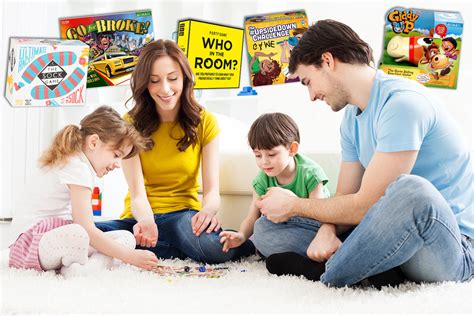
How to find Cozy & Family games that engage all ages without skill gaps causing frustration?

Finding games that genuinely captivate every member of the family, from the youngest child to the most seasoned adult, without someone feeling left out or frustrated by skill differences, can seem like a quest. The ideal “cozy & family” game balances accessibility with engagement, fostering connection and joy rather than competition and disappointment.
Defining “Cozy & Family” Games
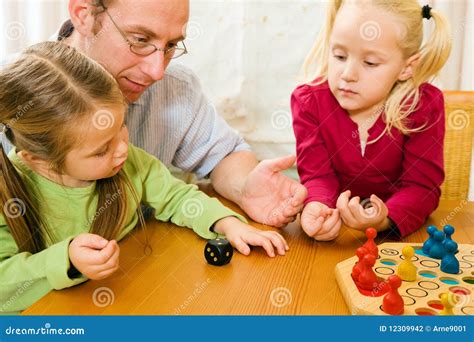
Truly cozy and family-friendly games are more than just “kid-friendly.” They prioritize inclusivity, positive interaction, and a low barrier to entry. These games minimize direct conflict, emphasize shared experiences, and often feature charming aesthetics or collaborative goals. The goal isn’t just to play, but to play together and enjoy the shared experience, regardless of who “wins.”
Key Features to Look For
When selecting your next family game, consider these characteristics that help bridge skill gaps and promote engagement:
1. Cooperative Gameplay
Games where players work together against the game itself are a gold standard for inclusivity. Everyone wins or loses as a team, eliminating individual blame and fostering a sense of shared accomplishment. Look for titles like Forbidden Island, Pandemic (junior versions), or even simpler cooperative puzzle games.
2. Simple Rules, Engaging Depth
The best family games are easy to learn but offer enough strategic depth to keep adults interested. This often means the core mechanics are straightforward, but decision-making has layers. Games like Ticket to Ride or Carcassonne fit this mold, where basic actions lead to interesting choices without overwhelming new players.
3. Elements of Luck
A touch of randomness can level the playing field. Dice rolls or card draws can give less experienced players a chance against more skilled opponents, keeping everyone in the game and feeling like they have a shot. Dixit or Sushi Go! incorporate this beautifully.
4. Variable Difficulty or Scalability
Some games offer modular components or difficulty settings that can be adjusted. This allows you to tailor the challenge to your group, making it harder for adults and simpler for children, or vice-versa.
5. Short Playtimes or Easy Pauses
Long, drawn-out games can lose younger players’ attention. Opt for games with shorter playtimes (30-60 minutes) or those that can be easily paused and resumed, accommodating varying attention spans and daily schedules.

Recommended Game Types and Examples
Board & Card Games
These are often the go-to for family game nights due to their tactile nature and face-to-face interaction.
- Cooperative Classics: Forbidden Island, Mice and Mystics, Flash Point: Fire Rescue.
- Light Strategy: Ticket to Ride, Carcassonne, Kingdomino.
- Storytelling/Creative: Dixit, Rory’s Story Cubes.
- Party Card Games: Sushi Go!, Exploding Kittens (family-friendly variant).
Video Games
Modern video games offer fantastic options for families, especially on consoles like the Nintendo Switch, which are designed for shared experiences.
- Party & Racing: Mario Kart 8 Deluxe (with assist mode to help younger players), Super Mario Party.
- Cooperative Adventures: Overcooked! (can be chaotic fun), Snipperclips, Luigi’s Mansion 3.
- Creative & Exploration: Animal Crossing: New Horizons, Minecraft.
Many of these allow for different skill levels to contribute meaningfully without one player dominating.

Tips for a Frustration-Free Family Game Night
Even with the right game, how you approach playing makes a significant difference:
- Focus on Fun, Not Winning: Emphasize laughter and shared moments over competitive scores. Celebrate small victories and good plays, even if they aren’t your own.
- Be Patient and Teach Actively: For new games or younger players, take the time to explain rules clearly and be open to re-explaining. Don’t be afraid to offer gentle guidance or suggest optimal moves without taking over.
- Adapt Rules if Necessary: If a rule is consistently causing confusion or frustration for a specific player, consider a house rule adjustment for your family’s enjoyment. The goal is fun, not strict adherence to the rulebook.
- Rotate Game Choices: Keep things fresh by having a selection of games and letting different family members choose the game for the night. This ensures everyone’s preferences are met over time.
- Create a Cozy Atmosphere: Snacks, comfy seating, and background music (if it doesn’t distract) can enhance the “cozy” aspect of your game night.
Conclusion
Finding the perfect cozy and family games is an ongoing journey, but by prioritizing cooperative elements, simple mechanics with optional depth, and a focus on shared enjoyment, you can build a collection that brings everyone together. The ultimate goal is to create cherished memories, strengthen bonds, and discover the joy of playful interaction, free from the shadow of skill gaps and frustration. Happy gaming!