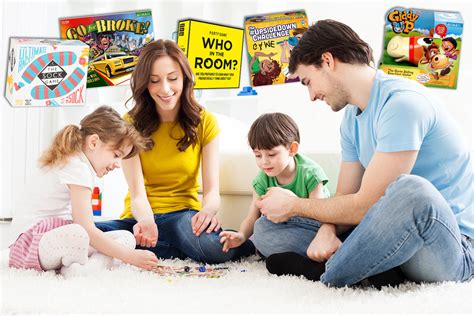
How to find cozy family games enjoyable for both beginner kids & experienced adult gamers?

The Quest for Universal Fun
The family game night is a cherished tradition, a perfect opportunity for connection and laughter. However, bridging the gap between a beginner child’s need for simplicity and an experienced adult gamer’s desire for depth can often feel like a quest in itself. Finding that sweet spot – a truly cozy game that captivates all ages and skill levels – requires understanding specific game characteristics and a touch of strategic selection.
The goal isn’t just to find a game everyone tolerates, but one that genuinely engages and delights each player, creating memorable shared experiences rather than divided attention or frustration. It’s about fostering an environment where strategic thinking meets joyful discovery.

Key Characteristics of a Cross-Generational Game
Simple Rules, Deep Strategy
The hallmark of an excellent family game is accessibility. Look for games with rules that can be explained in under 10-15 minutes, allowing kids to jump in quickly without feeling overwhelmed. Yet, beneath this simple facade, there should be layers of meaningful decisions and strategic choices that keep adults engaged and thinking several turns ahead. This balance ensures beginners grasp the basics, while veterans can explore advanced tactics.
Cooperative Spirit
Cooperative games are often the ultimate unifier for mixed groups. Instead of competing against each other, players work together towards a common goal against the game itself. This fosters teamwork, communication, and shared problem-solving, eliminating competitive friction and ensuring that a win or loss is a collective experience. Everyone contributes, and everyone celebrates (or commiserates) together.

Engaging Themes & Components
A compelling theme can draw everyone into the game world, regardless of age. Themes that involve building, exploring nature, solving mysteries, or creating stories tend to have broad appeal. Furthermore, quality game components – well-illustrated cards, tactile wooden pieces, and vibrant boards – enhance immersion and make the physical act of playing more enjoyable for both young and old.
Mechanics to Look For
Variable Player Powers or Difficulty Settings
Some games incorporate mechanisms that allow for varied player experiences. This might include asymmetric player powers, where adults can choose more complex characters or abilities, while kids opt for simpler ones. Alternatively, games with adjustable difficulty levels can be scaled to provide a suitable challenge for experienced players without making it impossible for beginners.
Legacy-Lite or Campaign Elements
Games that evolve over multiple plays, introducing new rules, components, or story elements incrementally, can keep adults deeply invested while gradually teaching new mechanics to children. These “legacy-lite” or campaign-style games offer a continuous sense of discovery and progression, providing long-term engagement for the whole family.
Hidden Information & Simultaneous Action
Mechanics that involve hidden information (like secret roles or hidden objectives) or simultaneous action (where everyone plays at once) can reduce downtime and keep all players equally engaged. This prevents younger players from getting bored during other people’s turns and adds a layer of delightful deduction for adults.
Tips for Successful Game Nights
Start Simple, Build Up
When introducing a new game, always begin with the core rules. Avoid overwhelming new players with optional variants or advanced strategies on the first play. Once everyone is comfortable with the basics, you can gradually introduce more complex elements in subsequent sessions.
Focus on the Experience, Not Just Winning
Emphasize fun, laughter, and the shared experience over winning. Encourage good sportsmanship, strategic thinking aloud, and celebrating unique plays or clever moves, regardless of the outcome. A positive atmosphere is key to fostering a love for games in children and maintaining enjoyment for adults.

Where to Find These Gems
Online resources like BoardGameGeek.com offer extensive databases with filters for player count, age, complexity, and mechanics. Reading reviews and watching gameplay videos can provide valuable insights. Local friendly game stores are also an invaluable resource; staff are often passionate and knowledgeable, eager to recommend titles based on your family’s specific needs and preferences. Don’t hesitate to ask for recommendations that explicitly bridge the beginner-expert gap.

Conclusion
Finding that perfect cozy family game that resonates with both beginner children and experienced adult gamers is entirely achievable. By prioritizing games with simple rules yet strategic depth, cooperative elements, engaging themes, and flexible mechanics, you can transform your game nights into joyous, memorable events for everyone. The true victory isn’t just winning the game, but the shared laughter and connection forged around the table.