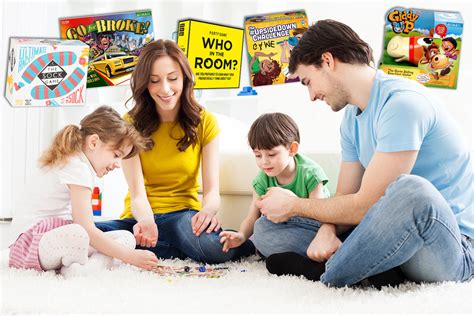
How to find cozy family co-op games that engage mixed ages (6-12) & skill levels?

The Quest for Harmonious Family Game Nights
Finding the perfect family game can often feel like an epic quest in itself. When you’re dealing with a range of ages, say from a curious six-year-old to a pre-teen of twelve, plus varying skill levels, the challenge intensifies. The goal isn’t just to play a game, but to create a shared, joyful experience where everyone feels included, challenged just enough, and ultimately, has fun. This is where ‘cozy family co-op games’ shine, offering a sanctuary of shared purpose and collaborative play.
But how do you sift through the vast ocean of titles to find those hidden gems that truly deliver on this promise? It requires understanding what makes a game ‘cozy,’ what ‘co-op’ truly entails for families, and specific strategies for bridging both age and skill divides.

Defining “Cozy” and “Co-op” for Family Fun
Before diving into specific recommendations or mechanics, let’s establish a clear understanding of what we’re looking for:
What Makes a Game “Cozy”?
- Low Stress & Low Stakes: Cozy games prioritize comfort over competition. There’s little to no combat, no jump scares, and failure often leads to gentle setbacks rather than frustrating resets.
- Positive Themes & Charming Aesthetics: Think vibrant colors, adorable characters, serene environments, and heartwarming storylines. The focus is on exploration, creativity, and simple joys.
- Relaxed Pacing: Players can often take their time, explore at their own pace, and enjoy the journey without feeling rushed or pressured.
The Essence of Family Co-op
- Working Towards a Common Goal: Every player contributes to a shared objective, fostering a sense of teamwork rather than rivalry.
- Shared Successes (and Failures): When the team wins, everyone celebrates. When challenges arise, they are faced together, teaching resilience and problem-solving as a unit.
- Encourages Communication: Good co-op games naturally prompt players to talk, plan, and strategize with one another, strengthening family bonds.
Bridging the Age Gap (6-12 Years)
The developmental differences between a 6-year-old and a 12-year-old are substantial. A successful game must offer engagement at both ends of this spectrum:
- For the 6-8 Year Olds: Look for games with simple controls, clear objectives, minimal reading, and forgiving mechanics. Visual cues are key. They thrive on direct action, cause-and-effect, and feeling like they are contributing in a tangible way, even if it’s just pressing a button to activate a power-up.
- For the 9-12 Year Olds: These players can handle more complex objectives, basic strategy, and a bit more narrative depth. They appreciate feeling competent and taking on slightly more responsibility. The game should offer enough depth to prevent boredom without becoming overly complicated.
- Finding the Sweet Spot: The best games offer multiple layers of engagement. Younger players might focus on the immediate actions, while older players grasp the overarching strategy or complex puzzles. Games with ‘helper’ roles or easily understandable but progressively challenging mechanics are ideal.

Accommodating Diverse Skill Levels
It’s not just about age; individual skill and gaming experience vary wildly. Here’s how to ensure everyone can participate meaningfully:
Look for Accessibility Features & Design Choices:
- Adjustable Difficulty Settings: Some games allow you to tweak difficulty on the fly, or even for individual players.
- Asymmetrical Gameplay: This is a powerful tool. One player might have a simpler, more action-oriented role (e.g., moving the character), while another manages inventory or navigates with a map.
- Drop-in/Drop-out Functionality: Life happens! A game that allows players to join or leave without disrupting the entire session is incredibly family-friendly.
- Self-Correcting Mechanics: Systems that gently guide players or prevent irreversible mistakes can reduce frustration.
Embrace “Coaching” and “Learning” Moments:
A true co-op spirit means patience. Older siblings or parents can guide younger players, explain mechanics, and celebrate small victories. Frame challenges as learning opportunities, not failures. This fosters a supportive environment where everyone grows together.

Key Game Mechanics & Genres to Prioritize
When searching for that perfect game, keep an eye out for titles that feature these elements:
- Exploration-Based Games: Focus on discovering new areas, uncovering secrets, and enjoying the journey. Less emphasis on combat.
- Puzzle-Solving Games: These naturally encourage collaboration as players pool their minds to solve challenges. Look for puzzles that can be approached from different angles.
- Crafting/Building Games: Unleash creativity! Whether it’s building a shelter, decorating a space, or creating tools, these games provide endless opportunities for shared projects.
- Light Strategy/Resource Management: Simplified versions of these genres can introduce tactical thinking without overwhelming younger players.
- Rhythm/Music Games (Simplified): Some offer accessible modes that are more about timing and fun than complex button sequences.

Practical Tips for Game Selection & Play
- Watch Gameplay Videos: Before buying, watch some ‘let’s play’ videos. Pay attention to how a game plays with multiple people and if the mechanics seem intuitive.
- Read Family-Focused Reviews: Look for reviews that specifically address suitability for mixed ages and skill levels, not just critical acclaim.
- Try Demos or Game Pass Services: Many platforms offer demos or subscription services that let you try out a wide range of games before committing.
- Set Expectations: Remind everyone that the goal is fun and teamwork, not perfection.
- Rotate Roles: If a game has different characters or tasks, encourage players to switch roles occasionally so everyone gets a chance to try different aspects of the game.

Conclusion
Finding a cozy family co-op game that truly engages a diverse group of players aged 6-12 and beyond is not just possible; it’s incredibly rewarding. By prioritizing games with low-stress environments, collaborative objectives, and designs that naturally bridge age and skill gaps, you can transform ordinary evenings into cherished memories. These games aren’t just entertainment; they’re platforms for communication, problem-solving, and shared joy, building stronger family bonds one cooperative adventure at a time.