How to find cooperative family games for diverse ages without meltdowns?

Building Bridges, Not Walls: The Magic of Cooperative Family Games
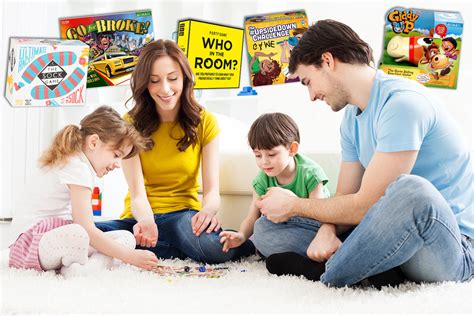
Family game nights are a cherished tradition, promising laughter, connection, and a break from screens. However, the reality often diverges, especially when balancing the varying attention spans, skill levels, and competitive spirits of diverse age groups. The quest for a game that equally delights a spirited kindergartner, a strategic tween, and an engaged adult without ending in tears or arguments can feel like a mythical endeavor. Enter cooperative games – a powerful solution designed to unite players against a common challenge, transforming potential meltdowns into shared victories.
Cooperative games shift the dynamic from ‘me against you’ to ‘us against the game.’ This fundamental change reduces individual pressure, minimizes rivalry, and naturally encourages communication, problem-solving, and empathy among players. For families with a wide age range, this approach is invaluable, ensuring everyone feels like a valuable contributor, regardless of their age or gaming prowess.

Why Cooperative Games Are a Game-Changer for Diverse Families
Traditional competitive games, while fun for some, can be a breeding ground for frustration when skill levels are mismatched. Younger children might struggle to grasp complex rules or cope with losing, leading to disengagement or emotional outbursts. Older children might feel bored by simpler games or frustrated by younger siblings’ mistakes. Cooperative games elegantly bypass these issues by:
- Fostering Teamwork: Every player’s contribution is vital to the group’s success, promoting a sense of shared responsibility and accomplishment.
- Reducing Stress: The focus shifts from individual victory to collective effort, creating a more relaxed and supportive environment.
- Enhancing Communication: Players must discuss strategies, share ideas, and make decisions together, strengthening their interpersonal skills.
- Increasing Engagement: Even younger players can participate meaningfully, as the goal is to work together, not to outwit others.
Strategies for Finding the Perfect Fit
With a vast sea of cooperative games available, how do you pinpoint the ones that will genuinely resonate with your family’s unique blend of ages and interests? Here are key strategies to guide your search:
1. Prioritize Adaptable Rule Sets and Scalability
Look for games that offer adjustable difficulty levels or simplified rules for younger players, allowing everyone to participate at their comfort level. Many cooperative games achieve this through modular components or varying win conditions. Some games might allow an adult to act as a ‘facilitator’ for younger children, guiding their choices without taking over.

2. Focus on Theme Over Deep Strategy
A compelling theme can draw in players of all ages, even if the underlying mechanics are relatively simple. Games about saving animals, escaping a haunted house, or building a shared world often captivate imaginations more than abstract strategy games. A strong narrative can also help younger children remember rules and connect with the game’s objectives.
3. Emphasize Shared Problem-Solving
The best cooperative games for diverse ages encourage open discussion and combined intelligence. Avoid games where one player can dominate the decision-making. Instead, opt for games where different pieces of information or unique player abilities necessitate collaboration and mutual input to succeed.

4. Check Age Recommendations and Reviews Carefully
While age ranges on game boxes are a starting point, they don’t always reflect the full picture for diverse groups. Read reviews from other families who have played the game with similar age gaps. Look for mentions of how well the game scales and whether it truly engages both ends of its recommended age spectrum.
5. Consider Game Duration and Pacing
Long, drawn-out games can test anyone’s patience, especially younger players. Opt for games with a reasonable playtime (30-60 minutes is often ideal for mixed groups) or those that allow for natural stopping points. A game with engaging turns and minimal downtime keeps everyone invested.

Tips for a Successful Cooperative Game Night
- Set Expectations: Remind everyone that the goal is to have fun and work together, not to win at all costs.
- Be Flexible: Don’t be afraid to house-rule something if it makes the game more enjoyable for everyone. The spirit of play is more important than strict adherence to every rule.
- Rotate Roles: Encourage different family members to lead discussions or make final decisions on different turns to give everyone a chance to shine.
- Celebrate Efforts, Not Just Wins: Acknowledge good ideas, clever moves, and positive collaboration, even if the game ends in a loss.
- Take Breaks: If attention wanes, a short break for snacks or a stretch can reset the mood.

Unlock Harmonious Family Fun
Finding cooperative family games for diverse ages doesn’t have to be a daunting task. By focusing on teamwork, adaptability, and engaging themes, you can unlock a world of harmonious family fun where every player feels valued and every game night ends with shared smiles, not meltdowns. Embrace the collaborative spirit, and watch your family connections flourish around the gaming table, creating cherished memories that last a lifetime.