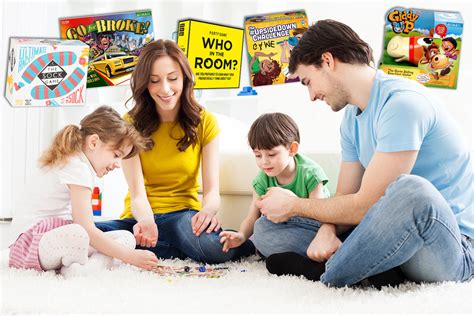
How to ensure cozy games stay fun & conflict-free for all ages?

The Heart of Cozy Gaming: More Than Just Play
Cozy games, by their very nature, promise relaxation, collaboration, and gentle engagement. Unlike high-stakes competitive titles, these games are designed to foster connection and joy, making them perfect for family gatherings across multiple generations. However, even the most “cozy” game can sometimes hit a snag if expectations aren’t managed or if the spirit of play shifts. The key is to cultivate an environment where fun triumphs over frustration and every participant, from the youngest to the oldest, feels included and valued.
Creating this ideal atmosphere isn’t accidental; it’s a deliberate choice involving specific strategies before, during, and after the game. It’s about setting clear intentions and guiding the experience to ensure it lives up to its cozy promise.
Setting the Stage for Harmony Before the First Move
Preparation is paramount. Before even unboxing the game, have a brief discussion about what everyone hopes to gain from the session. Emphasize that the goal is shared enjoyment, not necessarily winning. Choose games that genuinely align with the group’s comfort level and interests, leaning towards cooperative or low-competition options. Review the rules together, simplifying explanations for younger players without oversimplifying the game itself. Assigning a “game master” can help keep things on track, answering questions and gently guiding play.

Consider the physical environment too: a comfortable space, good lighting, and perhaps some snacks can contribute significantly to the relaxed vibe. Minimizing distractions like phones or other devices helps everyone focus on the shared activity.
Fostering a Collaborative and Inclusive Spirit During Play
During the game, actively encourage teamwork and mutual support. For cooperative games, this comes naturally, but even in games with competitive elements, players can offer advice or help each other understand options. Celebrate small victories together, whether it’s solving a puzzle, reaching a milestone, or simply making a clever move. Avoid singling out players for mistakes; instead, frame challenges as opportunities for everyone to think together. This is especially important when playing with children or individuals who might be new to gaming.
Be mindful of the pace of play. Some players might need more time to think, while others might move quickly. Establish a comfortable rhythm that accommodates everyone. Allowing a little extra time for turns or offering gentle prompts can prevent frustration and keep the mood light.
Navigating Potential Pitfalls Gracefully
Even in cozy games, disagreements can arise – about rules, strategy, or even just perceived unfairness. Address these moments with calm and empathy. Refer back to the rulebook as a neutral arbiter, or if the rule isn’t clear, make a quick, fair group decision for the current game, clarifying it for future sessions. Teach children that it’s okay to feel disappointed, but how we respond to those feelings is crucial. Encourage them to articulate their frustrations constructively rather than acting out.

Sometimes, a player might just be having an off day. Recognize when someone needs a break or a shift in focus. It’s better to pause or even conclude a game on a positive note than to push through a escalating conflict.
Customizing for Diverse Age Groups and Abilities
One of the biggest challenges in multi-generational play is bridging skill and developmental gaps. Don’t be afraid to house-rule slightly for balance. For younger players, you might offer hints, allow them to redo a turn, or even play on a “team” with an adult. For older players who might have slower reaction times or processing speed, ensure the game doesn’t rely heavily on quick decisions or complex, simultaneous actions. Consider games that have adjustable difficulty levels or modular components that can be added or removed to simplify or enrich the experience.

The goal isn’t necessarily to make everyone an equal player, but to ensure everyone feels like an equally valued participant. Sometimes, a player might prefer a supportive role, like keeping score or managing components, rather than active play. Be open to these contributions.
The Power of Post-Game Reflection
Once the game concludes, don’t just pack it away. Take a moment for positive reflection. Ask everyone what they enjoyed, what their favorite moment was, or what they learned. This reinforces the positive aspects of the experience and helps solidify the bonds formed during play. Acknowledge everyone’s contributions and efforts, regardless of the game’s outcome. This debriefing process is crucial for making the experience memorable and ensuring that everyone looks forward to the next cozy game night.

By focusing on shared fun, clear communication, and empathetic guidance, cozy games can consistently deliver on their promise: a delightful, stress-free activity that brings families and friends of all ages closer together.