How to ensure beginner game guides don’t overwhelm first-time players?

The Challenge of Guiding New Gamers
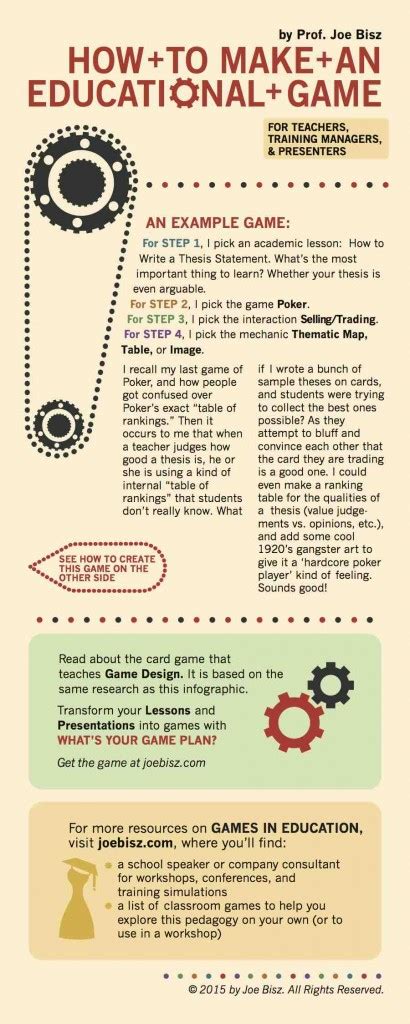
First-time players often approach a new game with a mix of excitement and apprehension. A well-crafted beginner guide can be the bridge to enjoyment, but an overwhelming one can quickly lead to frustration and abandonment. The key is to distill essential information into digestible chunks, empowering players without drowning them in details.
1. Prioritize Core Mechanics First
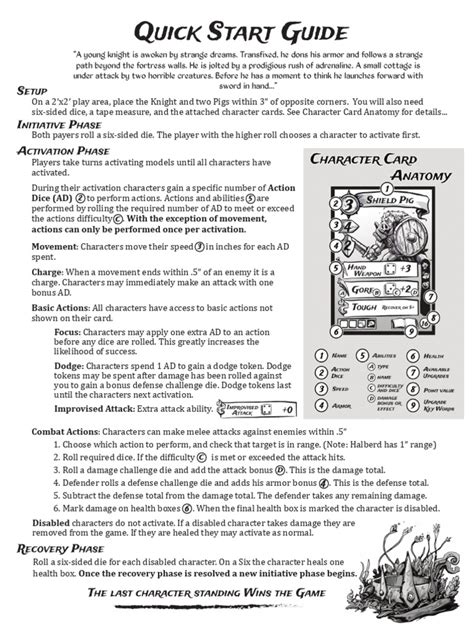
When crafting a beginner guide, resist the urge to explain every single game system upfront. Focus exclusively on the absolute essentials required to start playing and understand basic objectives. What are the controls? How do you move? What is the immediate goal? This foundational knowledge builds confidence before introducing complexity.

2. Use Simple, Jargon-Free Language
Avoid game-specific jargon, acronyms, or advanced terminology unless absolutely necessary, and if so, explain it immediately. Write in clear, concise sentences. Imagine you’re explaining the game to someone who has never played a video game before. Simplicity ensures accessibility.
3. Break Down Information Incrementally
Instead of presenting a wall of text, structure your guide into small, logical steps or sections. Each section should introduce one new concept or mechanic. This incremental approach allows players to master one idea before moving on to the next, fostering a sense of progression rather than being bombarded.

4. Leverage Visuals and Practical Examples
“Show, don’t tell” is crucial for game guides. Utilize screenshots, diagrams, or even simple textual examples to illustrate concepts. Seeing where a button is, what an interface element looks like, or a concrete scenario for using a particular ability is far more effective than abstract descriptions. Emphasize what actions players should take.
5. Offer a ‘Learn-as-You-Go’ Pathway
Design the guide to mirror a natural learning curve. Start with ‘Chapter 1: Getting Started’ for the absolute basics, then offer ‘Chapter 2: Your First Mission’ or ‘Understanding the Inventory’ once basic movement is established. Providing a clear progression path prevents players from feeling lost or unsure of what to learn next.
![Best 2.5D Games [Ultimate 2025 List] - GamingScan](/images/aHR0cHM6Ly90czEubW0uYmluZy5uZXQvdGg/aWQ9T0lQLmpmdndiM2R0UUcydTlsLTdxa0w3VFFIYUVLJnBpZD0xNS4x.webp)
6. Empower, Don’t Dictate
A good guide provides helpful information but also encourages players to experiment and explore on their own. Frame explanations as helpful tips or suggestions rather than strict rules. This approach empowers players to discover aspects of the game themselves, which can be a deeply rewarding part of the gaming experience.
7. Test with Actual First-Time Players
The most crucial step is to have your guide reviewed by individuals who have never played the game before. Observe where they get confused, what questions they ask, and what information they struggle to find. This invaluable feedback will highlight areas where your guide might still be overwhelming or unclear.
Conclusion
Crafting a beginner game guide that genuinely helps without overwhelming requires empathy for the new player’s perspective. By prioritizing core information, using clear language, breaking down concepts, and testing thoroughly, you can create a welcoming entry point that sets players up for long-term enjoyment and success.