How to ensure beginner game guides are concise yet comprehensive for new players?

For new players stepping into the vast world of a new game, a well-crafted beginner’s guide can be the difference between engaging with the experience and feeling utterly lost. The challenge lies in balancing conciseness – avoiding information overload – with comprehensiveness, ensuring all crucial first steps are covered. Achieving this delicate equilibrium is key to a positive initial player experience.
Know Your Audience: The True Beginner’s Mindset
Before putting pen to digital paper, truly understand who your guide is for. New players aren’t looking for meta strategies or deep lore dives; they need to know how to move, interact, achieve their first objective, and understand the basic UI. Assume zero prior knowledge of the game, and perhaps even minimal experience with its genre. What fundamental actions must they take to progress beyond the tutorial?

Structure for Progressive Learning
A disorganized guide is as bad as no guide at all. Structure is paramount. Start with the absolute basics: movement, camera controls, basic attacks, or inventory access. Then, progressively introduce more complex elements. Use clear headings (H2, H3), bullet points, and numbered lists to break down information into digestible chunks. Each section should build logically on the last, guiding the player smoothly through their first hours.
Prioritize “Need-to-Know” Over “Nice-to-Know”
The “comprehensive” aspect doesn’t mean including every single detail upfront. It means including every essential detail. Distinguish between information vital for initial progression and advanced tips or optional content. For example, explain how to complete the first quest but save detailed crafting trees or end-game build optimizations for later, separate guides. Avoid jargon; if it’s unavoidable, define it clearly and immediately.

Leverage Visuals and Practical Examples
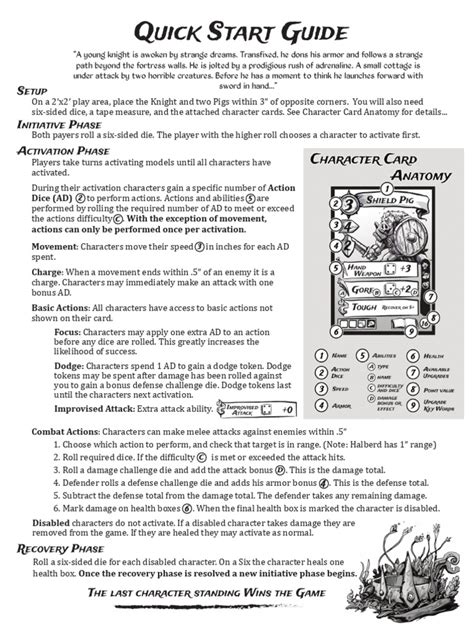
Text alone can be overwhelming. Integrate screenshots, diagrams, or short GIF-like explanations where appropriate. Showing a key UI element, a map marker, or the correct button prompt can be far more effective than several paragraphs of text. Provide specific examples of early-game scenarios or common beginner mistakes to illustrate points, allowing players to connect the guide’s advice directly to their in-game experience.

Keep it Concise, Yet Provide Pathways for Depth
While the guide itself should be concise, its comprehensiveness can also come from its ability to point players towards more detailed resources when they are ready. Use internal links to advanced guides, character build breakdowns, or lore explanations once the core mechanics are mastered. This way, the beginner guide acts as a robust onboarding experience, empowering players with the basics, and offering a clear path to deeper understanding without overwhelming them at the start.

Ultimately, a successful beginner game guide is a carefully curated journey, not a data dump. It anticipates new players’ questions, provides clear, actionable answers, and builds confidence step by step, ensuring their first foray into your game is both enjoyable and empowering.