How to ensure a family game is truly cozy, low-stress, and fun for all ages?

The Art of the Perfect Family Game Night
Family game nights can be magical – moments of laughter, shared strategy, and genuine connection. Yet, they can also quickly devolve into squabbles over rules, frustration from younger players, or boredom for older ones. The secret to a truly cozy, low-stress, and universally fun game experience lies in thoughtful preparation and a focus on connection over competition.
Choose Games Wisely for Universal Appeal
The foundation of a great family game night is, unsurprisingly, the game itself. Opt for titles with simple, easy-to-understand rules that don’t require extensive setup or learning time. Games that involve luck as much as skill often level the playing field, preventing any one person from dominating and ensuring everyone feels they have a chance.
Consider cooperative games where everyone works together towards a common goal. These naturally foster teamwork and eliminate direct competition, significantly reducing stress. If competitive games are preferred, select those with short rounds or quick resets, allowing for fresh starts and maintaining a lighthearted atmosphere. Games like Charades, Pictionary, or collaborative storytelling games are excellent choices for broad appeal.
Don’t just rely on age ratings; think about the specific personalities and attention spans within your family. A game designed for ‘8+’ might still be too complex for a new 8-year-old, or too simplistic for a seasoned teen gamer. Have a few options ready to pivot if the first choice isn’t landing well.

Cultivate a Cozy and Inviting Atmosphere
The environment plays a huge role in setting the tone. Think beyond the game itself and focus on creating a truly cozy space. Dim the harsh overhead lights and opt for warmer, softer lamps or even fairy lights. Blankets, pillows, and comfortable seating are essential for creating a relaxed vibe.
Food and drink are integral to coziness. Prepare simple, easy-to-eat snacks that don’t make a mess – think popcorn, pre-cut fruit, cookies, or a platter of cheese and crackers. Warm beverages like hot chocolate or tea can enhance the comfort, while water keeps everyone hydrated. The act of sharing these treats becomes part of the bonding experience.
Consider background music – something soft, instrumental, and unobtrusive – or embrace silence to allow conversation and the game’s sounds to take center stage. Minimize distractions like phones or TV, signaling that this time is dedicated to each other.

Prioritize Fun Over Winning
This is perhaps the most crucial mindset shift. Explicitly state at the beginning that the goal isn’t to win, but to have fun together. Model this behavior yourself by celebrating good moves from opponents and not dwelling on losses. For younger children, you might even implement house rules that give them a slight advantage or offer gentle guidance.
Be flexible with the rules. If a rule is causing frustration or confusion, collectively agree to adapt it for the evening. The spirit of the game is more important than strict adherence to every letter of the law. Encourage laughter, silly antics, and inside jokes that build family history.
Manage expectations, especially when competition is involved. Teach good sportsmanship by example, emphasizing that a game is just a game. Celebrate participation and effort, not just victory. If someone is getting overly competitive or upset, take a break or suggest a different activity.
Involve Everyone in the Process
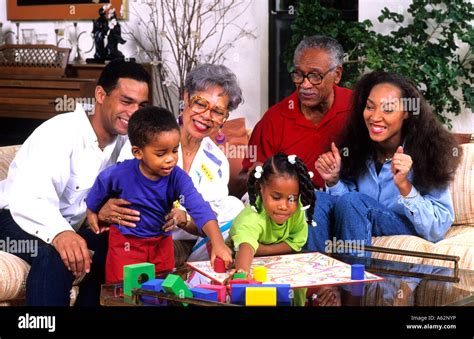
True inclusivity means everyone feels a part of the decision-making and the fun. Let different family members take turns choosing the game for the night or deciding on the snacks. Even assigning roles, like ‘snack master’ or ‘rule reader,’ can help younger children feel more invested and important.
Before starting, have a brief, lighthearted chat about how the game will be played and what the focus is for the evening – perhaps it’s about making each other laugh, or trying a new strategy. This preemptive discussion can prevent misunderstandings and set a positive tone.

Keep it Flexible and Short
Know when to quit. A game that goes on too long can quickly lose its appeal, especially for those with shorter attention spans. It’s better to end on a high note, even if the game isn’t finished, than to push through to an exhausted, grumpy conclusion. Have a backup plan or a rotation of shorter games to switch between.
Sometimes, the most fun isn’t even in playing the game exactly as intended. Be open to creating new rules, inventing scenarios, or simply using the game components for imaginative play. The ultimate goal is to create shared joy and lasting, positive memories, making your family game night truly cozy, low-stress, and fun for all ages.