How to engage reluctant family members in cozy game night fun?

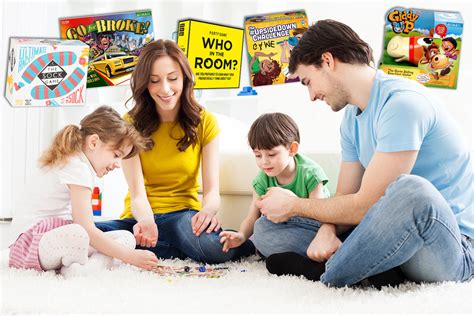
Gathering the family for a cozy game night sounds idyllic, doesn’t it? Yet, for many, the reality involves lukewarm responses, eye-rolls, or outright refusal from certain family members. Engaging those who are less enthused about board games or card games can feel like an uphill battle. But fear not! With a thoughtful approach and a sprinkle of strategy, you can turn hesitant participants into active, even eager, game night enthusiasts.
Understand the Resistance
Before you can engage reluctant family members, it’s crucial to understand why they’re reluctant. Is it a fear of competition? Do they find rules too complicated? Are they worried about feeling silly, or perhaps they’ve had bad game night experiences in the past? Open a gentle dialogue, or simply observe their behavior and listen to their concerns. Sometimes, it’s not the game itself, but the perceived pressure or past negative associations that create the barrier.

Choose the Right Games
This is arguably the most critical step. Start with ‘cozy’ games – those that are easy to learn, cooperative, or low-pressure. Avoid highly strategic or competitive games initially. Look for:
- Cooperative Games: Where everyone works together towards a common goal (e.g., Pandemic, Forbidden Island). This eliminates direct competition.
- Party Games: That focus on laughter and interaction rather than intense strategy (e.g., Codenames, Telestrations).
- Dexterity Games: Quick, tactile, and often silly (e.g., Jenga, Rhino Hero).
- Storytelling Games: That encourage creativity and imagination without a ‘winner’ (e.g., Dixit, Once Upon a Time).
Consider their interests too. If someone loves movies, find a trivia game. If they’re creative, a drawing game might appeal.

Create an Inviting Atmosphere
Game night isn’t just about the game; it’s about the experience. Make it an event to look forward to:
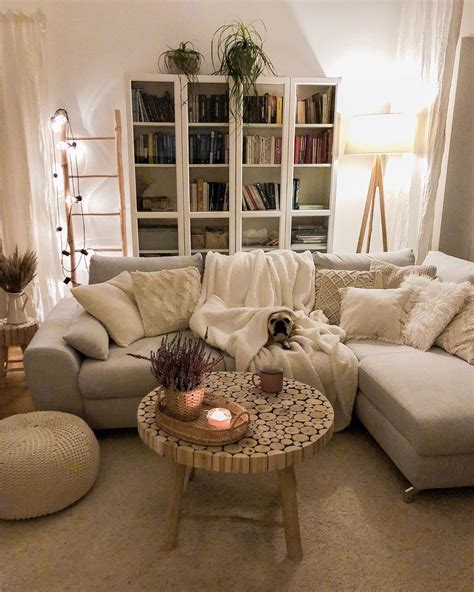
- Comfort is Key: Set up a cozy space with blankets, pillows, and comfortable seating.
- Delicious Snacks & Drinks: Offer appealing treats. Pizza, popcorn, cookies, hot cocoa, or special mocktails can be a huge draw.
- Set the Mood: Play some background music (if it won’t be distracting), dim the lights, or light a few candles (safely, of course).
- No Pressure: Emphasize that it’s okay to make mistakes, ask questions, and that the goal is fun, not winning.
Start Small and Build Momentum
Don’t demand hours of commitment right away. Suggest a single, quick game. If it goes well, maybe try another. The goal is to build positive associations. A short, fun experience is much better than a long, drawn-out one that leaves everyone feeling drained.
Focus on Fun, Not Competition
For reluctant players, the pressure to win or perform well can be a major turn-off. Reframe game night as an opportunity for connection and shared laughter. Celebrate funny moments, clever plays, and even epic failures. Emphasize that it’s about spending time together, not who comes out on top. If someone struggles, offer gentle help rather than criticism.

Involve Everyone in the Planning
Give reluctant family members a sense of ownership. Let them help pick the game (from a curated, cozy selection), choose the snacks, or even be in charge of the music. When they feel like their input matters, they’re more likely to invest in the outcome.

Be Flexible and Patient
Not every game night will be a roaring success, and that’s okay. Some nights, a family member might still prefer to sit out. Respect their decision but keep the invitation open for next time. It’s a marathon, not a sprint. Over time, consistent positive experiences can chip away at reluctance.
Conclusion
Engaging reluctant family members in cozy game night fun is less about forcing participation and more about creating an irresistible experience. By understanding their hesitations, choosing the right games, setting a welcoming mood, and prioritizing fun over victory, you can transform game night into a cherished family tradition that everyone looks forward to – even those who initially needed a little coaxing.